Close

Author Archive for: jentwistle

by

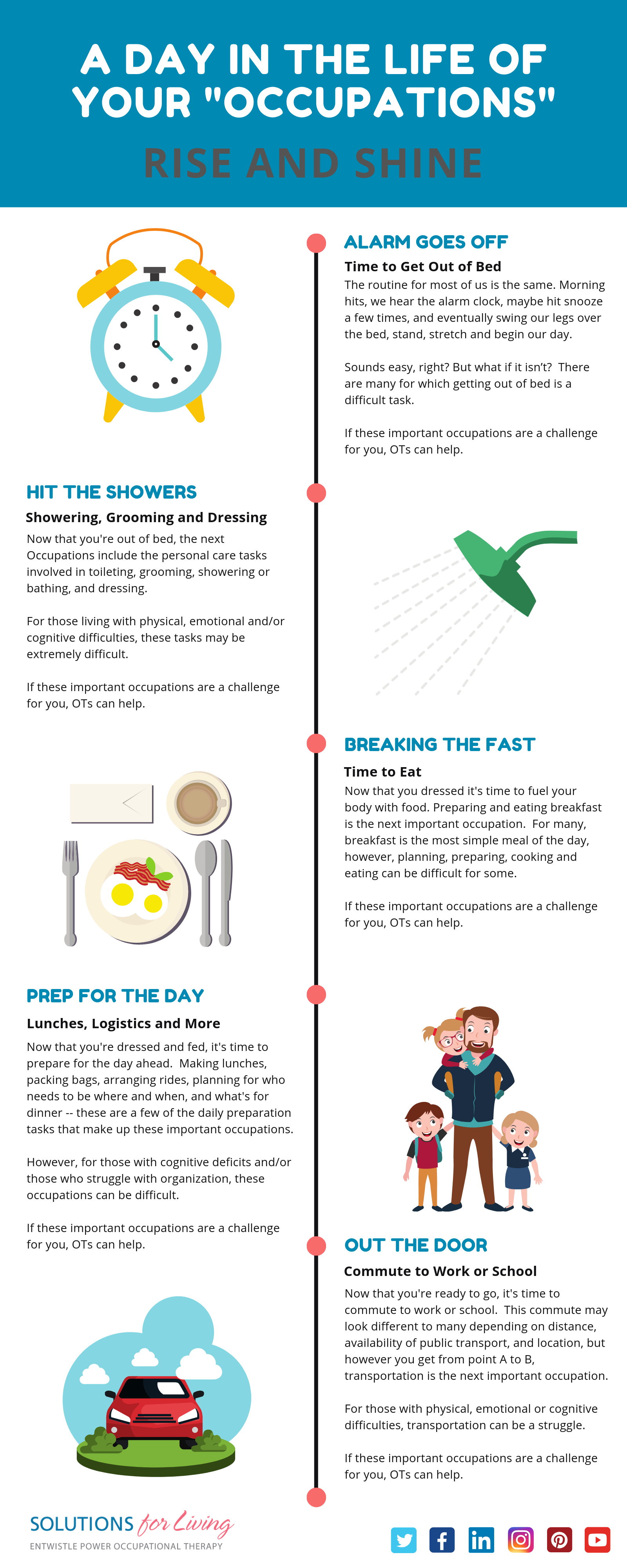
A Day in the Life of your “Occupations” — Rise and Shine

Julie Entwistle, MBA, BHSc (OT), BSc (Health / Gerontology)

Contrary to the traditional understanding of the word, occupational therapists define “occupation” differently. For OTs, the word “occupation” does not only include “paid” work, employment, or jobs. Rather, we define it as the way people “occupy” their time and as such it actually includes all roles involved in living (therapy for living, who knew?). So, for Occupational Therapy month, we will explore “A Day in the Life of Your Occupations” complete from morning to night, highlighting common important occupations and how OT’s can help when things breakdown along the continuum that is living.

by

The Accessible Playground

How does your local playground stack up when it comes to access for all?  Is it accessible?  Older playgrounds were not built with accessibility in mind; however, newer builds are breaking barriers for users with not only physical disabilities but invisible disabilities such as autism and sensory processing disorders.  In the following article learn more about how the universal design of playgrounds is becoming standard, creating more welcoming spaces for children and youth of all abilities.

The Globe and Mail: Playgrounds can alienate children with disabilities. Now, they’re being built with accessibility in mind

by

Better Sleep O-Tip of the Week: Follow the 20-Minute Rule

Our O-Tip of the week series we will be providing valuable “OT-Approved Life Hacks” to provide you with simple and helpful solutions for living. 

Statistics Canada estimates that approximately 3.5 million Canadians struggle with sleep, an important daily occupation that is vital to our physical and mental health.  Therefore, for the month of September, we will be providing some of the best OT-Approved solutions to help you get a good night’s sleep. 

If you are struggling to fall asleep remember the 20-minute rule.  If you are unable to fall asleep after 20 minutes of trying, take a break.  Move to a different bed or the couch, pull out a book and read until your eyes are tired, or go to your kitchen for some water. After this break return to your bed try again.  

by

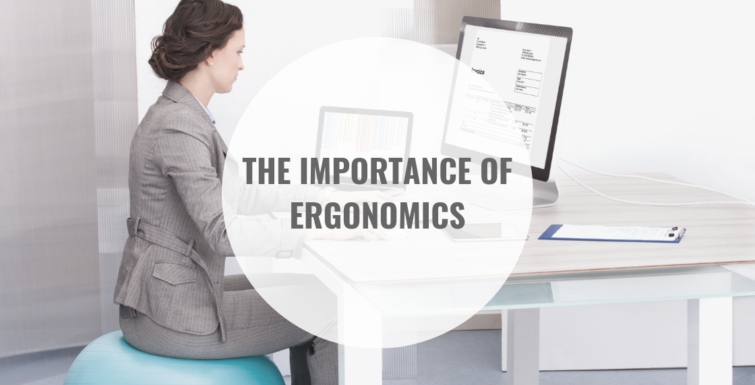
The Importance of Ergonomics

I’m sure you’ve heard the term, “ergonomics” before, but do you know what it means and more importantly, how it could benefit your organization?

Ergonomics is a catch-all phrase for the process of ensuring the body is in an appropriate position when completing daily tasks. Sitting, standing, bending, lifting – all these movements require the proper ergonomic position of the legs, spine, and arms to promote comfort and productivity, and to reduce the risk of physical injury.  Proper ergonomics is often most important at work, as this is where you spend the majority of your time.

Everyone deserves to be comfortable at work – from the front line staff to the CEO. When people are comfortable they are happier, more productive, feel valued and supported, and are less likely to leave work due to physical injury from poor office ergonomics.

Check out our informative video for information on how an Occupational Therapist can help in your office by keeping people at work, enhancing productivity, reducing costs, and promoting employee morale and satisfaction.

by

Local Opportunities for Adults with Neurodiverse Abilities

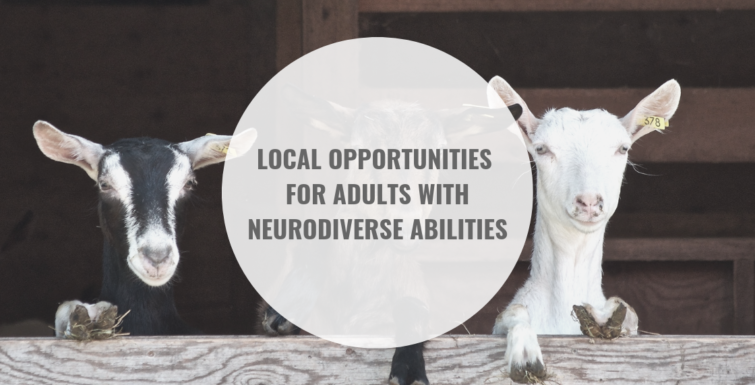
In my desire to learn what goat yoga was all about I was recently introduced to Triple C Farm, a local family farm filled with a variety of livestock, including goats.  Though goat yoga is one of their offerings, I was encouraged to learn that Triple C is primarily an animal sanctuary and safe space for adults with developmental difficulties.  In partnership with Dynamic Supports, a local organization that provides programming to adults with special needs, participants can come to volunteer and learn about taking care of the farm and its animals, as well as take advantage of the therapeutic support the animals provide. 

Learn more about Dynamic Supports and Triple C Farm by visiting their respective websites:

https://www.dynamicsupportshamilton.com/

https://www.triplecfarm.ca/

If you’re in the Hamilton area, be sure to stop by and discover all the farm has to offer!

by

Better Sleep O-Tip of the Week: When it Comes to Bedding, Sharing is NOT Caring

Our O-Tip of the week series we will be providing valuable “OT-Approved Life Hacks” to provide you with simple and helpful solutions for living. 

Statistics Canada estimates that approximately 3.5 million Canadians struggle with sleep, an important daily occupation that is vital to our physical and mental health.  Therefore, for the month of September we will be providing some of the best OT-Approved solutions to help you get a good night’s sleep. 

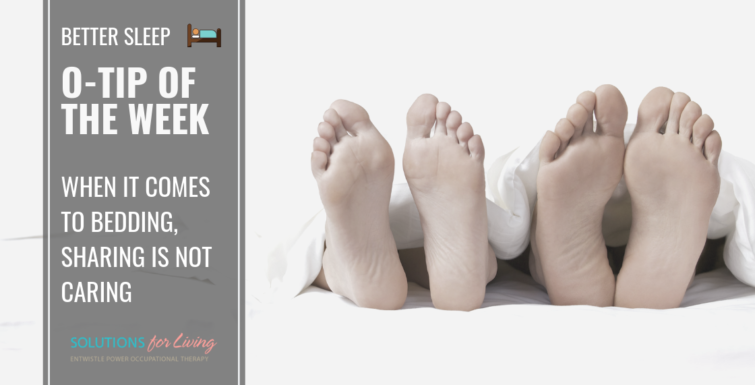
Sharing a bed with a significant other can be disruptive, especially if one partner is tossing and turning throughout the night.  Instead of sleeping separately like the Flintstones, a better way to avoid being disturbed by your partner’s sleeplessness is to use separate blankets.  Whether you use a duvet, comforter or quilt you may find it more restful if each partner has their own.  Not only can this work wonders for your sleep quality, but for your relationship too!

by

Will You?

Julie Entwistle, MBA, BHSc (OT), BSc (Health / Gerontology)

I always assumed that as per Murphy’s Law, if I made a will, I would get hit by a bus as I leave the lawyer’s office after signing it.  Well, I have been through the will process twice now (revised when I realized my first will was created before my last three children were born), and good news, I am still here to write about it. 

I had a great conversation with a lawyer the other day about wills.  A very low percentage of the population actually have one, and if they do, half the time they don’t tell the family where to find it.  I was astonished to know that there is no “will registry”, and that upon your death your family could just make your will “disappear” if they didn’t like what was in it.  That is why it is important to provide a copy of your will to your executor and provide the name of your lawyer to family. 

My dad told me an interesting story of a man whose mother had died.  His mother never liked his sister’s husband, and in her will wrote out the sister, leaving everything to him as her son and executor.  His sister asked him about the will.  His response was “she left everything to us, 50/50”.  He went against his mother’s wishes in order to maintain the relationship with his sister and to prevent ill feelings after her passing.  Interesting.  But it begs the question, why write a will if people won’t follow it anyway? 

Wills are important for many reasons.  First of all, they do outline your wishes, even if not followed or contested.  They are your last chance to have the last word (literally).  But they also importantly outline who you are assigning as your Power of Attorney (POA) for Personal Care or Finances, should you become unable to make such decisions.  This is essential.  I have received many files where I am dealing with the POA until my client becomes able to resume their own decision making.  Accidents happen, and you should be prepared.

This Globe and Mail article speaks very clearly about the importance of a will, and offers some great pointers to consider:

A legal will is worth the time and money

So, will you?

by

What Makes a Building Truly Accessible?

There is a greater awareness in society that our buildings and spaces must be more accessible to the greatest majority of people.  But what exactly makes a building accessible?  Take a look at this fantastic blog care of the Rick Hansen Foundation that discusses how there is more to accessibility than just the physical space. 

Rick Hansen Foundation: From Where I Sit: Five Traits of a Meaningfully Accessible Building