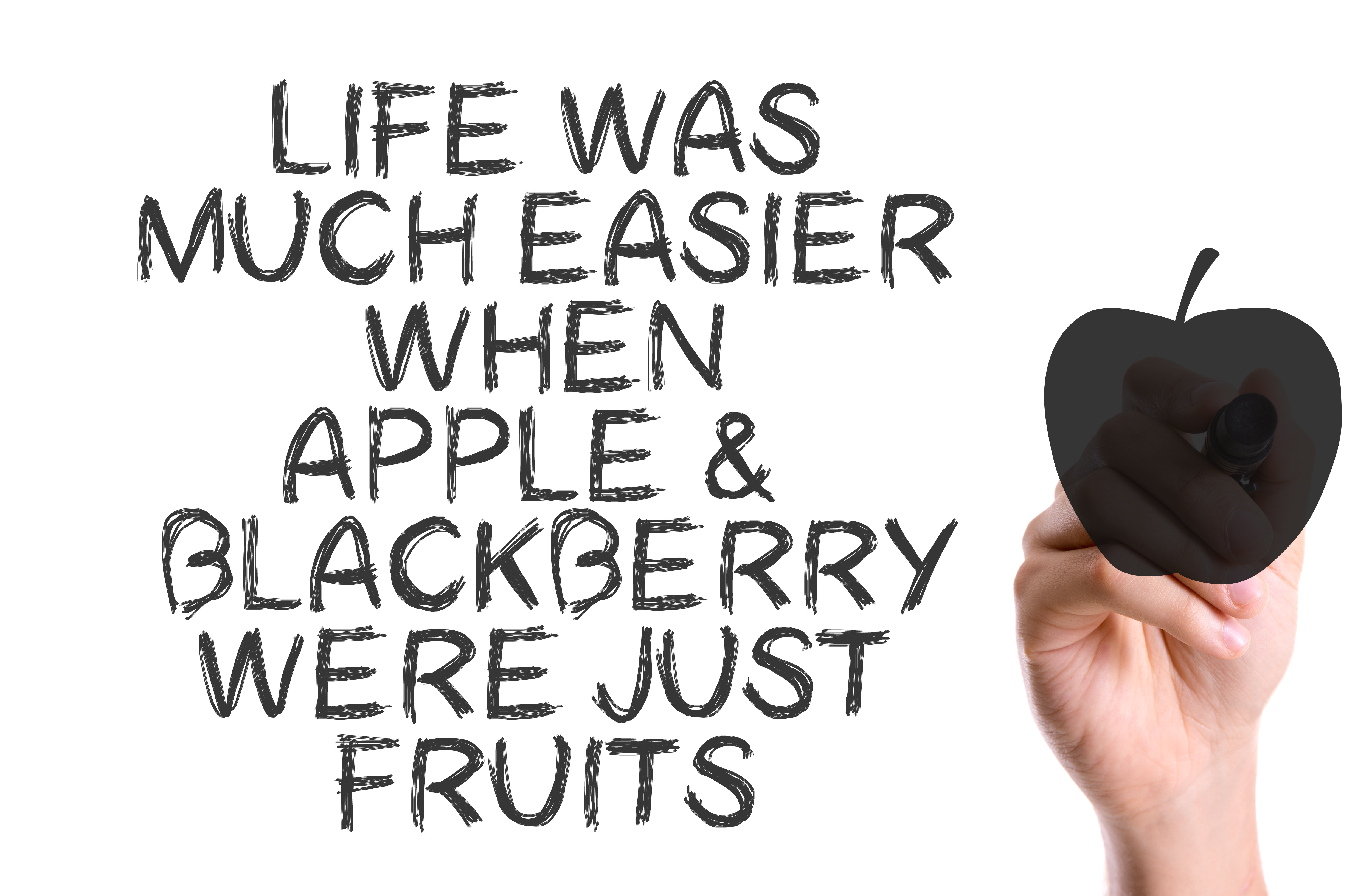
Solve the following:

1. A tune up
2. For rent
3. Looking high and low
4. Merry go round
5. Four square
6. Three little pigs

Solve the following:
1. A tune up
2. For rent
3. Looking high and low
4. Merry go round
5. Four square
6. Three little pigs
Inspiration comes from many sources, even the animal world. Take a look at the story of a dog who, despite having gone blind, is amazing the world with her beautiful art.

A recent survey suggests that 45% of Canadians believe children with disabilities lead less fulfilling lives. However, this is certainly not the case. While there may be increased struggles, families with disabled children are asking the public to change their views. Learn more in the following article from CTV News.
CTV News: Canadians urged to rethink their view of kids with disabilities
“Live each day, as if it we’re your last. It’s written in the stars, your destiny is cast.”
Elvis Presley, Wisdom of the Ages
Mornings with children can be hectic… to say the least. Ensuring kids are awake on time, dressed, fed, and ready for the day, all while you are trying to get yourself to work on time, can cause a great deal of stress and set a negative tone for the day ahead.
Our FREE printable checklist will help kids become accountable for their morning routines and allow you and your family wake up on the right side of the bed each and every morning.

For more helpful tools visit our Printable Resources Page.


As the weather gets colder and we spend more time indoors the chance of getting sick rises. It’s important to do our best to fight off sickness by boosting our immune systems and a great way to do this is with healthy food. The following from Best Health Magazine provides delicious and healthy immune boosting soups you can enjoy all season long.
Best Health Magazine: 6 Recipes That Will Help You Never Catch a Cold Again

Julie Entwistle, MBA, BHSc (OT), BSc (Health / Gerontology)
I have four daughters – two are teens and two are tweens. That is a lot of estrogen in our house. Yet it is an interesting time for our family – as our girls are navigating the perils of adolescence I too am finding myself in a stage I am calling “adultescence” whereby my thoughts, feelings and emotions are changing as theirs are. This creates an interesting ebb and flow of all of us learning together what it all means as a teen girl to “grow up” and as an adult to start “letting go”.
I had one of those adultescent “ahaha” moments the other day with one of my teen daughters. She is very socially driven and relationships are very important to her. Over the last few months as school has resumed, she has been struggling with some of her friendships. One girl just suddenly stopped responding to messages, one takes pleasure in forwarding hurtful messages, and another treats my daughter as the weekend “last resort”. In talking to my daughter about these events, my “ahaha” moment came when I realized that my daughter, already, is highly emotionally intelligent. She has the ability to put herself in the position of others and regulates her own behavior (so far) on how she would feel as the recipient. This is a gift for her, but puts her at a relationship disadvantage as many of her peers are not there yet. She “feels” in a relationship like she is 25, but is trying to rationalize the emotional behavior of kids 13 and 14.
According to psychology today, Emotional Intelligence includes three skills:
1. Emotional awareness, including the ability to identify your own emotions and those of others;
2. The ability to harness emotions and apply them to tasks like thinking and problem solving;
3. The ability to manage emotions, including the ability to regulate your own emotions, and the ability to cheer up or calm down another person.
Emotional intelligence then includes: self-awareness, self-regulation, motivation, empathy, and social skills. It can affect: personal relationships, workplace (or school) performance, physical and mental health, and how you deal with situations such as loss or disability.
The good news is that experts believe that emotional intelligence can be learned, even in adults. How do you know if you are emotionally intelligent? Perhaps reflect on your relationships – are you able to sustain positive and loving bonds with others? Can you empathize and relate to people during their struggles, and do they know that you “get it” and are emotionally available to them? Do you regulate your own behavior based on how others might feel if you act a certain way, or say certain things? Before sending that text, email or calling someone in anger do you consider how you want them to “feel” following your interaction? Do you take pleasure in being right even if that makes others feel bad? If you want to test your level of emotional intelligence, or raise your emotional IQ, take a quiz to see where you’re at: Emotional Intelligence Quotient Quiz.
Do you think you need to improve in this area? Some suggestions include:
“There are no traffic jams along the extra mile.”
Roger Staubach