
Check out the amazing ovation given to Christopher Duffley, a young boy who happens to be blind and autistic, when he sang the United States national anthem at a recent Red Sox game.

Are Kids Too Busy?
How busy is too busy for your kids? It seems that the extracurricular participation of kids in sports and the arts is increasing. Yet, for all this time out of the house, there is time lost for homework, play, proper meals, outdoor time and family. While keeping kids active and engaged in activities they enjoy is extremely healthy, this needs to be balanced appropriately based on the child and the resources of the family. The following from The Huffington Post discusses some key signs to look for if you are concerned that your child is overscheduled.
The Huffington Post: 10 Signs Your Kid is Too Busy
Inspired
“Keep a little fire burning; however small, however hidden.”
Cormac McCarthy, The Road
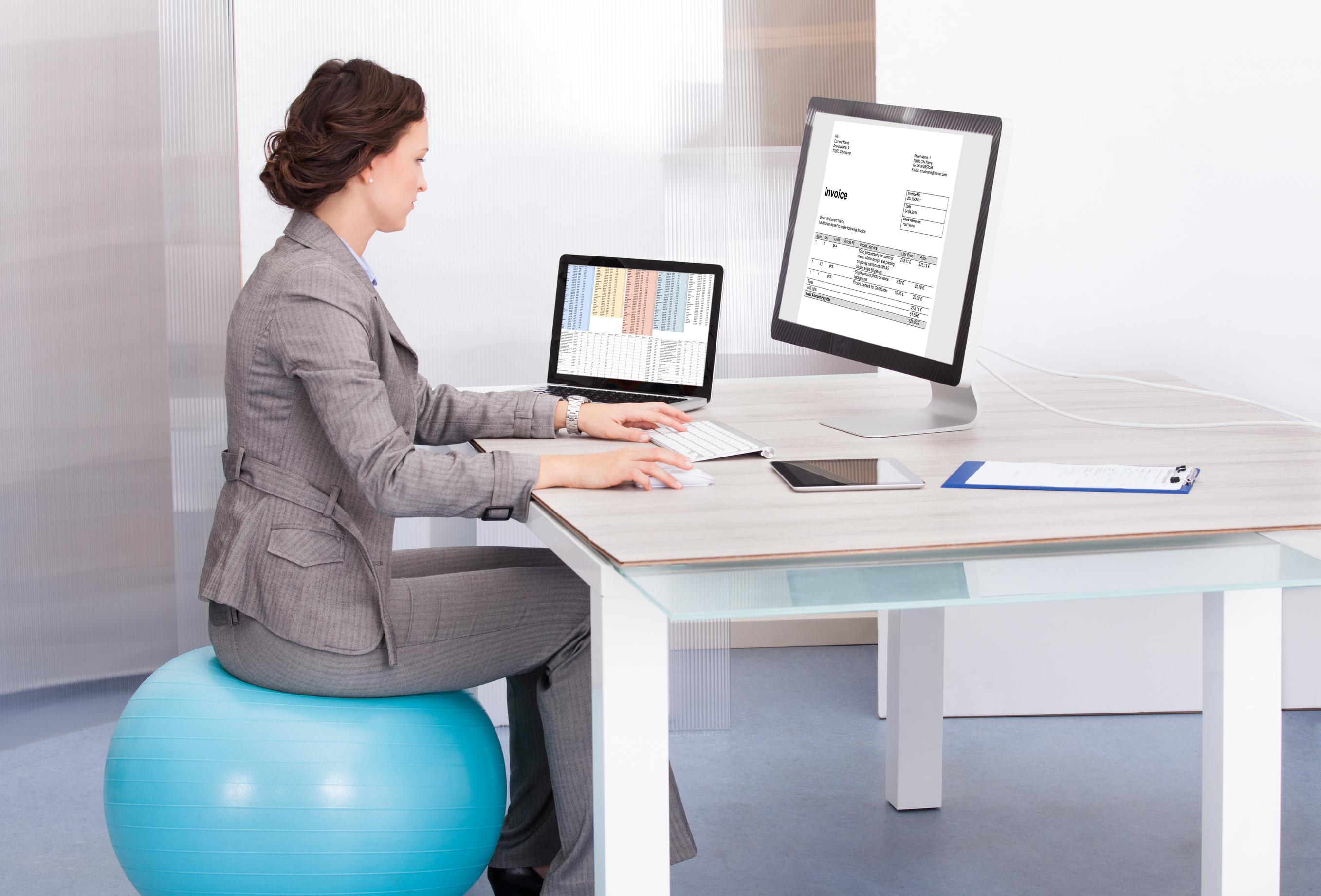
Back to Routine, Back to Ergonomics
With the change in routine through the summer months, it is time to rethink about how we are sitting and working all day to make sure our body can adjust to the new routines that are devoid of summer vacation and summer activities.
In our previous posts, we have discussed using proper ergonomics to help support your back and neck. Today, we look at how to reduce shoulder pain and related injuries.
Sloppy shoulders – are you guilty? Take a second to freeze at your desk and notice how your body is positioned. If you are like most people, your shoulders are slumped or rounded and you are bending over your desk. Many people’s work stations consist of their computer or laptop, keyboards, phone and mobile devices, requiring them to switch back and forth between devices while still spending extended periods of time in a seated, slumped position.
Being in this position for an extended period causes strain to the upper body, particularly the shoulders and upper back. At first, you may feel achy or tired in these areas, but this goes away at night or during days off work so it doesn’t impact your work performance. However, over time you may start to notice that your aches and pains begin earlier in the day, your muscles feel tight, and this starts to hamper you even when you aren’t at work. This impacts your productivity, quality of life and can lead to more serious and long-lasting injuries.
Here are some great tips to help address these issues before they start to impact your daily function, or if they do exist, to stop them from worsening:
• Lower your keyboard so your shoulders are not elevated when typing.
• Adjust your posture so you are sitting up straight in your chair, with your shoulders pulled away from your ears and your feet are flat on the floor with your knees directly over them.
• Alter your position so that you are not reaching forward to your keyboard or mouse.
• Adjust your chair so that your arms reach your desk at a 90 degree angle.
• Take regular breaks to stretch or stand up to relieve tension in your upper body.
• Stick out your chest to bring your shoulders back and down. Do this several times per day and hold this position.
Want more strategies to address pain at work? Check out our free e-book “Cost Effective Ergonomic Solutions” to learn additional strategies for addressing shoulder and upper back pain, among others, while you are sitting at your desk.
Inspired

Healthy Dinners Every Night
Not sure what to make for dinner tonight? Check out these nutritious and easy to make meals from Eating Well. Time saving tip: make a double batch and freeze half for another night or save in the fridge for lunches or leftovers later in the week!
Inspired
“It is not the strongest or the most intelligent who will survive but those who can best manage change.”
Charles Darwin

Chronic Pain a Problem? Try OT
Co-written with Claire Hurd, Occupational Therapist
We have all, at some point, likely experienced pain. A broken bone, sprained or strained joint, that killer headache, or even a long-term issue – pain prevents people from engaging in activities that are important to them, or at the least inhibits enjoyment and full participation in those things they want and need to do. It doesn’t matter if the cause of the pain is fully understood — the person’s experience of pain is what is important, and is what affects function. As the role of an occupational therapist is to enable clients to engage in activities that they want, need, or are expected to do, OT’s have the capability to help individuals with chronic pain to better manage their lives. Occupational therapists have many tools they use to assist people in this regard.
Activities that require repetitive movements or a great deal of range of motion may exacerbate pain symptoms. Even if an occupational therapist cannot fix the source of pain, they can instead adapt how a person does an activity, or where they do it and with what equipment. Occupational Therapists know about different tools and devices that can be used to modified activities to improve comfort and prevent future disability, and we stay on top of the latest and greatest devices as these hit the market. Incorporating healthy body mechanics into an activity, whether or not this is assisted with equipment, may help to manage pain. Sometimes the order of steps in the activity can be changed to make it more comfortable. Making rest breaks part of the activity is also very important.
Fatigue often affects people with chronic pain and can be a barrier to planning or doing meaningful things. Occupational therapists are well-versed in energy conservation techniques and pacing strategies, which can not only improve fatigue but can also help to decrease pain symptoms. Energy conservation and pacing can sound simple, but it can be challenging to integrate new habits into one’s life; an occupational therapist can provide an individualized system and the support to stick to it and make it routine. Good sleep hygiene, which typically includes a bedtime routine as well as avoiding substances and activities which can interfere with sleep, is also important to prevent fatigue. What constitutes an effective sleep routine is also unique to each individual, and an occupational therapist can help you find what works best for you.
One of the most difficult consequences of chronic pain is often its’ effect on mental health. Occupational therapists trained in psychotherapy can provide counseling and teach emotional coping skills. They may also provide cognitive behavioural therapy, which helps clients to change their thoughts and behaviours, in this case related to their pain. Training in the skill of mindfulness can also allow individuals with chronic pain to change the way in which they are aware of their pain in the moment, and decrease an overall perception of it.
Chronic pain is best managed with prevention and early intervention. Occupational therapists can help you ensure that how you do your favourite activities does not cause or worsen pain and that you get to participate in those meaningful life roles (old or new) despite the pain. Everyone’s experience of pain is different, and you and your therapist will work collectively as you find solutions that help you manage your pain and work on the “solutions for living”.
Laughter Therapy

Weekly Mind Bender
Daniel, my son, is exactly one fifth of my age. In 21 years time, I will be exactly twice his age. My wife is exactly seven times older than my daughter, Jessica. In 8 years time, my wife will be three times older then Jessica. How old are Daniel and Jessica now?
Daniel is 7 years old and Jessica is 4 years old.