Happy St. Patrick’s Day!


Happy St. Patrick’s Day!
Why can’t you iron a four-leaf clover?
Because you shouldn’t press your luck!
Take a look at the incredible and heartwarming story of a young man and the kindness he showed to his 89 year old neighbour in her dying days.
Good Housekeeping: The Sweet Guy Who Moved in With His Sick Neighbor Announces That She Has Died

The following from CBC News discusses the incredible journey of a young Toronto man who, after a live-altering experience, has created an app to help others manage upon release from hospital — Dash MD.
CBC News: After almost losing his own leg, he built an app to give patients more info
“You learn as you go, that’s how you grow.”
Kenny Chesney, Where I grew Up

Making decisions can be difficult. Whether big or small, the decisions we make often affect not only our own lives, but the lives of others. For those who struggle with anxiety and other mental health issues, or who have suffered a brain injury decision making can become increasingly problematic.
If you are struggling with decision making, we recommend using our free printable decision maker to help you thoroughly weigh the options and help you reach the best conclusion.
For each decision you need to make, simply list the pros and cons of deciding YES vs deciding NO.

For more helpful tools visit our Printable Resources Page.

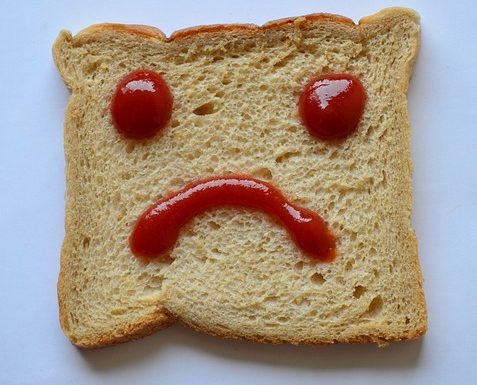
March is Nutrition Month and to celebrate our Food for Thought series will focus on some of the main factors that influence what we eat. Stress is an often overlooked piece of our health, yet it can be very damaging as it effects our bodies both physically and mentally. Specifically related to food, many often “stress eat” as they turn to food as a coping mechanism. The following from The Dietitians of Canada discusses how to overcome emotional eating and suggests some healthy alternatives.
The Dietitians of Canada Fact Sheet: Eating and Stress– Help! I eat when I’m stressed!
If you’re struggling with stress take a look at our article, How Stress is Affecting Your Health, for additional assistance.
“Happiness is not the absence of problems; it’s the ability to deal with them.”
Steve Maraboli

Guest Blogger: Carolyn Rocca, Student Occupational Therapist, 2017
According to Statistics Canada, in 2012 over 130,000 Canadians over the age of 15 years old reported that they have been diagnosed by a health professional as having an eating disorder. Considering these high rates, and the likely underestimation of reported diagnoses, eating disorders remain a form of mental illness that are not openly talked about.
Eating disorder is an umbrella term for several categories of diagnoses, with anorexia nervosa, bulimia nervosa, binge eating disorder, and eating disorders not otherwise specified being the most common. Although symptoms vary based on the diagnosis, some overall symptoms experienced with eating disorders include a pre-occupation with body weight, body dissatisfaction, behaviours to prevent weight gain, perfectionism, emotional dysregulation, depressed mood (including suicidality), anxiety, and low self-esteem. Naturally, these symptoms can lead to secondary impacts such as physical adverse effects, social isolation, and a compromise of occupation in the areas of self-care, daily living, leisure, and productivity (NCCMH, 2004).
The treatment and recovery of adolescents with eating disorders involves the collective work of many healthcare professionals including physicians, dietitians, nurses, psychiatrists, psychologists, social workers, teachers, child and youth counselors, and, yes, occupational therapists (Norris et al., 2013). Each of these team members works collaboratively to deliver the best practice approaches of pharmacotherapy, nutritional rehabilitation, and psychosocial interventions, including cognitive behavioural, dialectical behavioural, interpersonal, and family based therapies, among others (APA, 2006; NCCMH, 2004). Several of the healthcare professionals working with adolescents with eating disorders can deliver these therapies, including occupational therapists.
This means that occupational therapists work effectively with several disciplines to deliver best practice approaches, while also integrating their unique focus on occupational functioning to the team. Occupational therapists’ unique contribution is their ability to holistically address the physical, cognitive, behavioural, and psychosocial aspects of adolescent eating disorders through occupation-based approaches to improve adolescents’ self-worth and self-esteem (Kloczko & Ikiugu, 2006). As mentioned previously, eating disorders commonly have a substantial impact on adolescents’ function in the areas of leisure, self-care, daily living, and productivity (NCCMH, 2004), meaning many youth have difficulty balancing their family and social lives, education, employment, extra-curricular participation, ability to regulate their own activities, and thus overall health.
Occupational therapists have the expertise to work closely with adolescents and their family to help them with their goals around succeeding in school, work, leisure, and overall re-engagement in meaningful activities. In fact, Occupational Therapists are skilled at using meaningful activities as a vessel to get to the underlying problem of the eating disorder. Sessions don’t focus on eating, food or binging behavior, but on being productive, enjoying life, and accomplishing things that matter. The indirect influence is better choices in other areas (including diet) and recognizing the link between mental and physical health, quality of life and wellness.
If you know a teen (or adult for that matter) that may be dealing with an eating disorder, encourage them get help. There is a team of professionals, including occupational therapy, that are skilled at assisting teens to recover from these, and other mental health issues.
References & Resources:
American Psychiatric Association (APA). (2006). Practice guideline for the treatment of patients with eating disorders (3rd ed). Retrieved from https://www.guideline.gov/summaries/summary/9318/practice-guideline-for-the-treatment-of-patients-with-eating-disorders
Kloczko, E., & Ikiugu, M. N. (2006). The role of occupational therapy in the treatment of adolescents with eating disorders as perceived by mental health therapists. Occupational Therapy in Mental Health, 22(1), 63-83. doi:10.1300/J004v22n01_05
National Collaborating Centre for Mental Health (NCCMH). (2004). Eating disorders: Core interventions in the treatment and management of anorexia nervosa, bulimia nervosa and related eating disorders. Retrieved from https://www.nice.org.uk/guidance/cg9/evidence
Norris, M., Strike, M., Pinhas, L., Gomez, R., Elliott, A., Ferguson, P., & Gusella, J. (2013). The Canadian eating disorder program survey–exploring intensive treatment programs for youth with eating disorders. Journal of the Canadian Academy of Child and Adolescent Psychiatry, 22(4), 310.
Statistics Canada: http://www.statcan.gc.ca/pub/82-619-m/2012004/sections/sectiond-eng.htm