
Close

Author Archive for: jentwistle

by

Solutions for Disability-Related Financial Stress

Julie Entwistle, MBA, BHSc (OT), BSc (Health / Gerontology)

I can say with certainty that 100% of my clients suffer from financial difficulty when faced with disability, trauma or injury.  It is just not common for people to plan for the “rainy day” that could be ill health.  Yet, the impact of financial strain is significant.  Stress, anxiety, panic, excessive worry, loss of sleep, relationship issues, poor decision making, and maladaptive coping are all common reactions to feeling that you are unable to survive a change in income or increased expenses from medication, devices or therapy.

In the following video from our OT-V series, we discuss how an Occupational Therapist uses strategies to help you through financial difficulties and to help manage the negative effects to your health.


by

Inspired

Learn more about the story of Brad Ludden, a top 10 CNN Hero, and his work to provide adventurous outdoor experiences to young adults with cancer.

by

Inspired

“Behind every beautiful thing, there’s been some kind of pain.”

Bob Dylan, Not Dark Yet

by

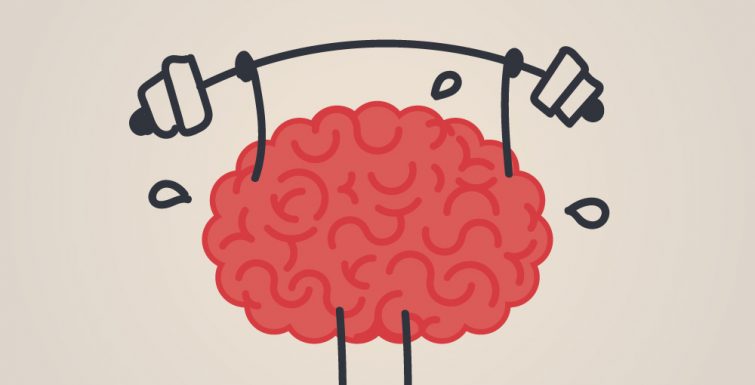
Give Your Brain a Workout

Our brains are made of billions of neurons, which interact with each other to complete specific tasks. Signals are sent from one neuron to another along neural pathways, and these determine our thoughts, emotions, insights, and so much more. Each task relies on a different neural pathway, so the pathway for reading a book is different than the pathway for putting on our shirt. The more we use a pathway, the stronger the connection becomes.

These neurons have the ability to physically change themselves when faced with new and difficult experiences. This ability is called neuroplasticity. As we are exposed to new areas, tasks, information or experiences, neural pathways are formed and existing ones are reshaped. This will continue throughout our entire lives as we learn. As we have experienced through practicing a musical instrument, memorizing our shopping list or recalling a friend’s phone number, if we consciously focus and train our brains in a certain area, they will become faster and more efficient at performing those tasks.

Just as we need to exercise the muscles in our body, we also need to exercise our brain.  But what exercises are best?

Take a look at the following from The New York Times that discusses studies on the aging brain and some advice to help you age well.

The New York Times:  How to Become a ‘Superager’

by

Fact or Fad? Health Information You Can Trust

March is Nutrition Month and to celebrate our Food for Thought series will focus on some of the main factors that influence what we eat.

The world is becoming increasingly obsessed with weight and body image and as such the internet is full of websites, blogs and products that may or may not be providing you with reliable information.

While it’s extremely important to be informed so you can eat well for weight management and overall health, how do you know what information to trust?  The following fact sheet from The Dietitians of Canada discusses how to know identify health and nutrition information you can depend on.

The Dietitians of Canada:  Food Fads– Ugh! How do I know which information to trust?


by

Inspired

“Failure Will Never Overtake Me If My Determination To Succeed Is Strong Enough.”

Og Mandino