Close

Archive for category: Kids

by

Keep Kids Brains Active This Summer Vacation

No more pencils, no more books… but that doesn’t mean the learning has to stop!

It’s that time again… The report cards are done, the bell has rung, and summer vacation is upon us! Summer is a time for camps, vacations, trips, cottaging and so much more.  But with all the fun in store, where do they fit in time to learn? Ahead lies two full months of vacation from traditional schooling; which for many kids is enough time for their young minds to unlearn much of what was taught.

How do we as parents make sure our kids don’t suffer summer “brain drain,” while still ensuring they get the break and vacation they need? Check out the following from Parents Magazine which suggests some great ways to incorporate learning into fun outdoor activities.

Parents Magazine:  7 Fun Outdoor Activities to Beat Summer Brain Drain

by

Are You Sun Smart?

July is UV Safety Month and we wanted to discuss the importance of protecting yourself from the sun’s harmful UV rays. While avoidance and proper clothing is key, it isn’t always possible, so sunscreen becomes your best protection. However, many sunscreens contain harmful chemicals that can be detrimental to your health. Each year the Environmental Working Group compiles a database which ranks sunscreens based on their chemical components to ensure the protection you use isn’t harmful to your body. Now in its 10th year we invite you to check out the best and worst sunscreens, and be sure to search the brand you use to ensure it is the safest for your overall health!

EWG:  10th Annual Guide to Sunscreens

by

Trampoline Safety

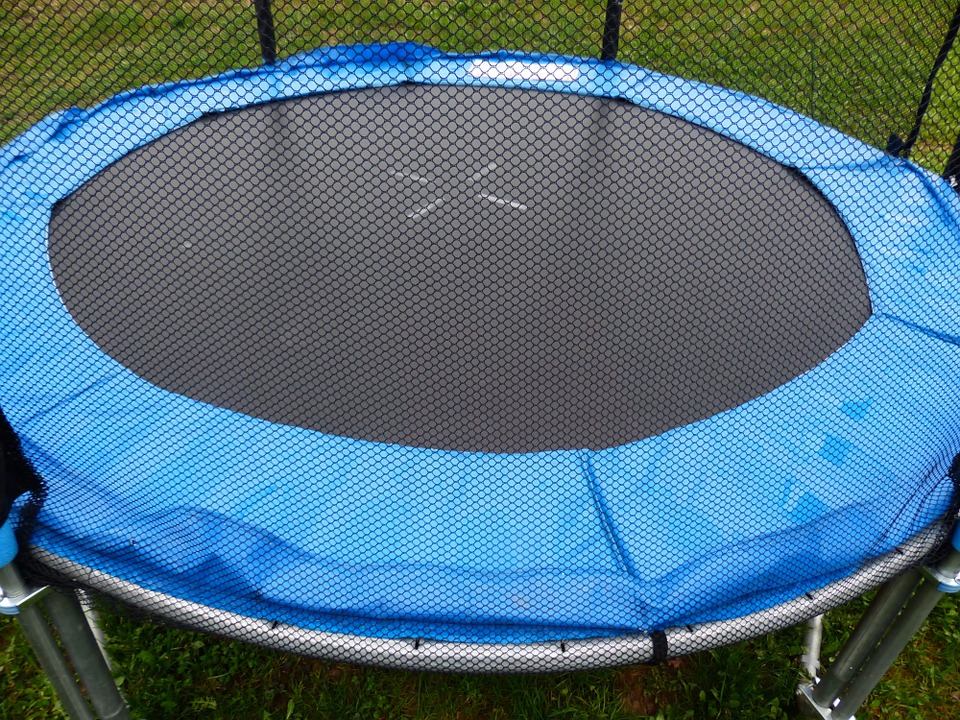
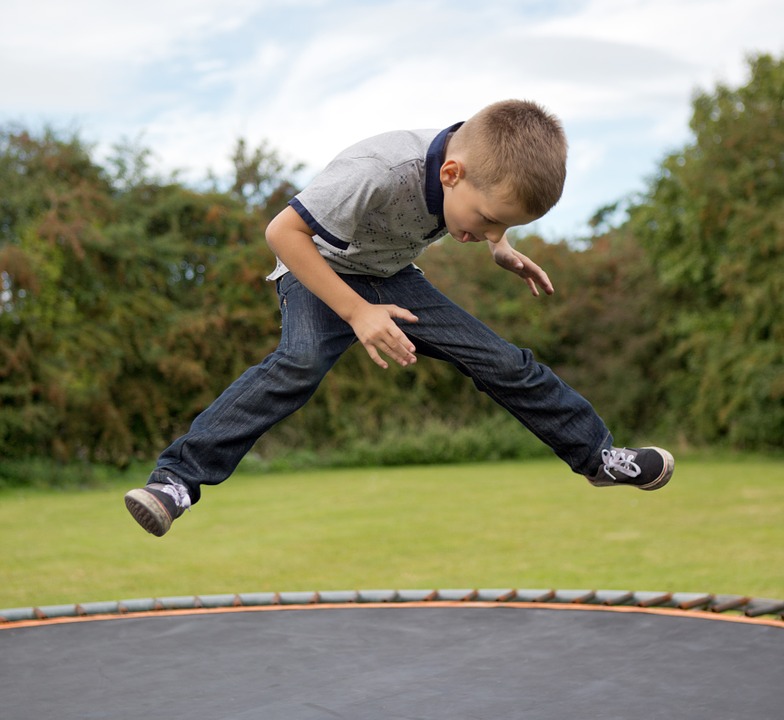
Bouncing on a trampoline can be fun, provide great exercise and a way to burn off that never ending energy kids seem to have, but there are major dangers involved.  In fact, as cited in the following article from Oatley Vigmond, a Consumer Product Safety Review report found that there were nearly 110,000 American trampoline related injuries suffered in the year 2006 alone.  So how do you prevent these injuries?  The American Academy of Pediatrics suggests simply not to own, or allow your children to bounce on at home trampolines.  Read more in the following from Shane Henry of Oatley Vigmond and tell us what you think.

Oatley Vigmond:  Trampolines:  How Bouncing Can Become Dangerous 

by

Protect Your Noggin: Wear A Helmet

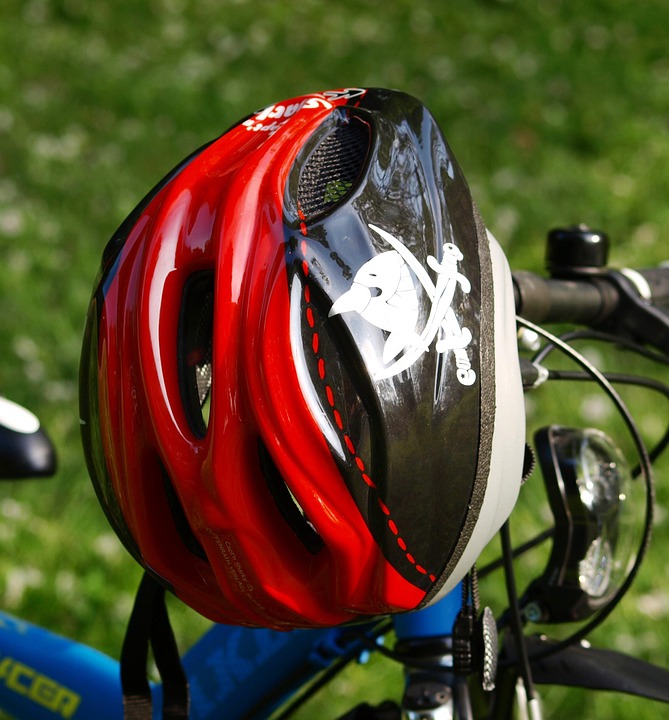
The warm weather has arrived and kids will soon be on summer vacation.  One of the best forms of exercise, modes of transportation and fun leisure activity for kids and adults is riding a bicycle.  While riding a bike is great for your health and the environment there are dangers that come with it, and it’s imperative to know the rules of the road and to protect yourself with a helmet.  In a previous post, “So I Guess Your Kid Doesn’t Wear a Seat Belt Either,” we discussed how, as professionals who see the detrimental effects of brain injuries, we are amazed at how many kids and adults still do not wear a helmet.

Education is key!  Please remember to be a role model for your kids, stay safe, ride properly and share these safety tips with those you care about.  Check out the following from Parachute Canada to learn how to properly fit a helmet and for further bicycle safety tips.

Parachute:  Follow The 2V1 Rule To Make Sure Your Helmet Fits Right

Parachute:  Helmet FAQ

by

Treating Auditory Processing Disorder

Julie Entwistle, MBA, BHSc (OT), BSc (Health / Gerontology)
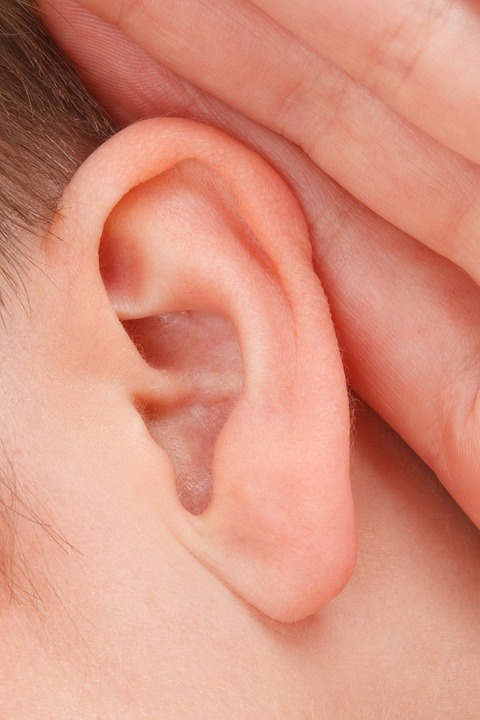
In my previous post, What is Auditory Processing Disorder, I explained that auditory processing disorder (APD) is like a game of “Operator” where a message is misinterpreted when travelling between the ears and brain.  This causes problems with communicating in noisy environments, following multi-step instructions, and wrongly hearing words, sounds and sentences.    The good news is that APD can be improved organically and through modifications to the functional environment.

Personally, my daughter was diagnosed in Grade 3 (age 8).  To understand her problems, I read several books on APD and copied some chapters for family.  I disclosed fully to my daughter the results of her testing and explained that sometimes her ears and her brain are hearing different things.  I wanted her to understand that at times, when things people say might seem funny, confusing or strange to her, she might have heard them wrong.  She was encouraged to ask questions about her ADP, and to never be shy about asking people to repeat themselves if needed.

At school, the teacher started wearing an FM unit to help best deliver instructions and teachings to my daughter who wore corresponding headphones.  The teacher and I put tennis balls on the classroom chairs to reduce noise.  My daughter was relocated near the teacher’s desk and away from the busy hall.  The door was closed (reducing background noise) during lectures.  She was allowed to write tests in the quiet resource room.  The teacher was provided a list of other classroom modifications to implement, including ways to breakdown instructions into smaller chunks to improve her retention and follow-through.  I talked to the teacher about the fact that when my daughter was reading in class (when she was supposed to do other things) to tune out classroom noise and / or because she missed the directions.

In sports, we noticed an issue with her playing basketball.  The sound of the balls bouncing on the floor made it difficult for her to hear her coach and the background noise in the gym during practice was a struggle for her.  At Karate, she would look around to see what the other kids were doing as she would miss instructions.  All of her coaches and Sensei’s were advised of her APD and started speaking more directly to her, asked her to repeat instructions, and tried to reduce background noise when possible.

We also made changes at home.  We took extra time to reduce background noise (difficult in a family with four kids), would reduce the number of instructions we gave her at one time, had her repeat these back to us, and developed a “roger that” mantra that she would say to indicate she got her instructions.  Our audiologist recommended Fast Forward, an online game designed to help improve APD.  While research does not conclusively confirm that this is helpful for APD, we decided to give it a try and she found it very helpful.  Ultimately, and for reasons other than just her APD, we moved her to a small school with very low class sizes and she is now thriving.  We still notice her APD at times, but she is very aware of this and is mature enough to understand that if something sounds wrong (i.e. turtle twins) she should politely ask for clarification.

by

What Is Auditory Processing Disorder?

Julie Entwistle, MBA, BHSc (OT), BSc (Health / Gerontology)

In recognition of Speech and Hearing Month, I wanted to tell the story of my personal experience as a mom of a child diagnosed with auditory processing disorder (APD).

APD is best explained using the example of the game “Operator”.  If the first person is the ears, and the last the brain, everyone in between is the channel by which the message travels.  And remember what happens?  By the time the message reaches the “brain” it has been altered.  So, really APD is just that – when a message or sound changes as it travels from the ears to the brain resulting in the brain getting the wrong message.

Signs of APD can include difficulty with: communicating in noisy environments, following multi-step instructions, and wrongly hearing words, sounds and sentences.  As an overlap exists between the signs of APD and other disorders, and this may coexist with other problems, it can be difficult to diagnose.

Being a clinician, I recognized early that my daughter struggled with “hearing”.  Yet at 18 months her hearing test was “fine”.  When she was three I remember telling her that her “ears and brain were not talking”.  In school she would become easily distracted, would struggle with multi-step instructions, and did much better in classes that were smaller, less chaotic, or when she sat closer to the teacher.  At home the presence of her APD was apparent when my instruction “change your shirt” would be met with the response “I am not wearing shorts”.   Or, when the instructions “brush your hair, grab your lunch and put your coat on” might result in one, maybe two, but rarely three of those instructions being followed.  But my favorite remains when my daughter told her sisters they were “turtle twins” as she had misheard the word “fraternal”.

The diagnosis of APD is made by an audiologist when the child is at least 7 or 8 years old.  However, psycho-educational tests can also be helpful to rule out other or comorbid problems.  In adults, APD also exists, and can be the result of many factors, including acquired brain injury.  Also, some research suggests that men start to struggle with APD after age 35 and women after menopause.

My next blog will focus on ways we managed our daughter’s APD at home, in sports and school, and these same strategies could also be used by others who have, treat, or know someone with APD.


by

OT and Cystic Fibrosis

Cystic Fibrosis Canada estimates that one in every 3600 children born in Canada have Cystic Fibrosis (CF).  Cystic Fibrosis is a genetic disease that mainly affects the lungs and digestive system in children and adults.  Those living with CF and their families face a lifetime of care from physicians, dietitians, pharmacists, psychologists, occupational therapists and more.  Learn about how Occupational Therapists help those with Cystic Fibrosis maintain independence, and achieve optimal quality of life in the following from Advance Heathcare Network.

Advance Healthcare Network:  Treating Cystic Fibrosis

Learn more about Cystic Fibrosis by visiting Cystic Fibrosis Canada.

by

Sensory Sensitivity

In our previous post, Can’t Sit Still?  Could It Be Sensory Seeking? we discussed sensory processing with a focus on the sensory seeking child.

Today we are focusing on another sensory-related concern that leads parents to seek OT treatment for their child – children experiencing sensitivity to sensory input.   On the other end of the spectrum from sensory seeking is the sensory defensive child. Unlike sensory seekers who have high thresholds for sensory input, sensory sensitive children have very low sensory thresholds. Due to these low thresholds, they experience sensory input much more intensely or notice sensory input much more often than their peers. This means that sensory input that may not bother you and I (for example the feel of jeans, brushing our teeth, or the sound of an alarm going off) may be very aversive, distracting, threatening, or even painful for that child.

Take a look at our OT-V video which further discusses sensory sensitivity, how Occupational Therapists can assist children and their families, and tips for families dealing with sensory sensitivity.

by

Can’t Sit Still? Could It Be Sensory Seeking?

One common reason that parents seek OT treatment for their child is because their child demonstrates sensory processing concerns.  Sensory processing is complex, however, often there are simple home-based strategies that can be very helpful in meeting a child’s sensory needs.

The following video from our OT-V (Occupational Therapy Video) series discusses one of the most troubling sensory related concerns for parents– when their child is a “sensory seeker,” meaning they seem to be constantly looking for additional sensory input and constantly “on the go” as they are attempting to obtain the sensory input that their bodies crave.

Watch the video to learn how an Occupational Therapist can help sensory seeking children and their families.

by

New Ontario Autism Program – Did the Government Get it Wrong?

According to Autism Speaks, Autism now affects 1 in 88 children and 1 in 54 boys. The 2012 numbers reflect a 78% increase in reported prevalence in the last 6 years.  This is a growing problem, impacting more and more families each year.

With growing numbers of affected children, wait times in Ontario for assessment and treatment have increased to an unacceptable level.  Recently, the Ontario Government made changes to its policy on Autism care in hopes to reduce wait times for those families seeking assistance.  While these changes may be beneficial for children aged 2-4 seeking diagnosis and treatment, those 5 and older will no longer be eligible for government funded Intensive Behavioural Intervention services, even if they have been on a wait list for years.

Intensive Behavioural Intervention (IBI) is the application of the principles of Applied Behaviour Analysis (ABA) in an intensive, highly structured format. It is a comprehensive approach that is used to teach a broad range of skills, such as communication, socialization, self-help, pre-academics, and play.   All IBI programs are individualized to the strengths and needs of each child and therapy decisions are based on a comprehensive review of program data. The goal of IBI is to help young children with Autism catch up developmentally to their peers. This means that IBI aims to increase the rate of a child’s learning, to bring their skills closer to those of typically-developing children, to decrease their symptoms, and to prepare them for an appropriate school setting.

The government will be providing a one-time payment of $8000 to families with children 5 and over, however, it is only a drop in the bucket for the amount of money required for this type of vital treatment.

The following from CTV News shows the frustration and abandonment families with Autistic children 5 and over are feeling:

How can you stand up for the rights of the affected families?  Let the Ontario Government know that they have gotten it wrong by signing the petition to Oppose the new Ontario Autism Program’s elimination of IBI eligibility for Children over 5.

To learn more about the changes and how you may be affected please visit the Ontario Autism Program website.

And please, tell us what you think:  did the government get it wrong?