Back to school is just a few weeks away. Check out our helpful infographic aimed at giving parents, teachers, and even kids some proactive strategies they can use to manage this transition as smoothly, productively, and as positively as possible.


Back to school is just a few weeks away. Check out our helpful infographic aimed at giving parents, teachers, and even kids some proactive strategies they can use to manage this transition as smoothly, productively, and as positively as possible.

No matter your age, whether you are starting school for the first time, returning to the same school, moving up to middle or high school, moving away to university or going back to school after years in the workforce, the words “Back to school” can bring on both excitement and anxiety. Many feel excited for the opportunities and experiences that may come, however, many also feel frightened and anxious over what lies ahead. For children with special needs any transition can be difficult, and parents and caregivers often find “back to school” one of the most difficult.
The following article published by Care.com discusses the some great strategies for helping plan for and make the transition of “back to school” as pleasant as possible for children with special needs.
Care.com: Easing the Back-to-School Transition for Kids with Special Needs
Julie Entwistle, MBA, BHSc (OT), BSc (Health / Gerontology)
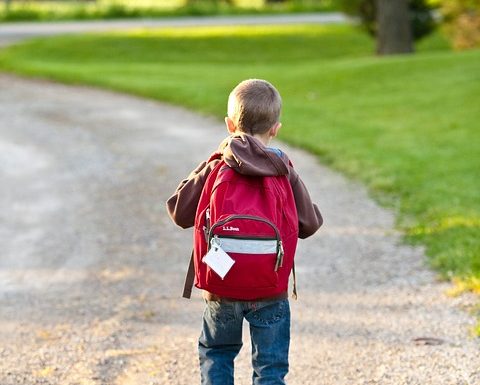
Backpacks are a staple for every student. They travel back and forth between home and school, lugging books and school supplies. They are put through the unavoidable daily abuse of being thrown on the ground, trampled on, stuffed into a cubby or locker, saving a spot in line, and become over-stretched and over-used with the necessities of school. They are a necessary part of your child’s education, yet how much thought do you really put into the backpack your child wears aside from maybe price or color? Have you considered the health implications of an improperly worn, fitted, or poorly supportive backpack?
Backpacks are meant to be worn over both shoulders so that the weight can be evenly distributed across some of the largest and strongest muscles in the body. Due to this, backpacks are preferable to shoulder bags, however they must be worn properly in order to avoid postural issues and injuries to the back, shoulder, and/or neck. Additionally, backpacks that are too heavy or large increase a child’s risk of injury due to falling or tripping. The following are some simple tips to help ensure your child’s backpack is fitted properly in order to avoid any negative health implications.
First of all, when choosing a backpack look for the following features:
1. Make sure the backpack is made of a lightweight material. Sure, some trendy materials may look cool, but these can also add unnecessary weight.
2. The backpack should have two wide, padded shoulder straps that are adjustable. Thin, narrow straps can cut off circulation resulting in pain, tingling, and numbness. Straps with a clip to secure them across the chest are best.
3. Look for a padded back to increase comfort and also to protect your child from being poked by items inside the bag.
4. Backpacks with a waist strap help distribute the weight more evenly and can protect the neck and shoulders from carrying the weight independently.
5. Check out backpacks that have a roller option if allowed in your child’s school. This allows freedom to switch between wearing on the back (for example on snowy days when rolling is not practical) and rolling the bag on the ground to take stress off of the neck and shoulders.
6. Ensure the backpack has multiple compartments as this helps to distribute the weight more evenly, and keeps things organized and separated.
Once you have found the perfect backpack, ensure the backpack is worn properly by following some of these general guidelines:
· The American Academy of Pediatrics suggests that backpack load should never exceed 10-20% of your child’s body weight. Make sure unnecessary items aren’t traveling back and forth – leave heavy items at home or school if possible.
· When putting on a backpack, ensure your child bends at the knees (not the waist!) and uses both hands to lift it onto their shoulders. Watch for signs of strain or difficulty when putting it on – if any are present consider reducing the load in the bag by having your child carry a few items.
· ALWAYS use both of the shoulder straps. No matter how “cool” your child thinks using one shoulder strap looks, it can cause muscle, spine and orthopedic injury down the road.
· Tighten the shoulder straps and use the strap around the waist (if available). This helps to ensure even weight distribution. The bag should sit in the center of the back, about two inches above the waist (not down near the buttocks!).
· When packing, ensure heavy items are near the center / back of the bag. Use all of the available compartments to help distribute the weight more evenly.
· Talk to your child about making frequent trips to their locker, desk or cubby to avoid carrying extra weight around all day.
· Consider the backpack as a possible culprit if your child starts complaining of back pain, numbness or tingling in the shoulders or arms, or discomfort in the upper body or lower back. If so, consult with a professional about how to correct the issues, and prevent these from getting worse. Core, back, or strengthening exercises might be needed if your child is having difficultly lugging around their school stuff – and consult a professional to have any exercises prescribed.
Then, make it fun! Give your child a list of things to look for when picking out their backpack, and comment on the different features of the ones at the store. Once purchased, load this up with different things so you can show them the difference when weight is distributed evenly, unevenly and gets too heavy. Have them try the straps at different lengths so they can comment on what is most comfortable. Encourage them to leave things at school that should stay there (like indoor shoes) and consider having a double set of school supplies at home so these don’t need to travel back and forth. Make Friday “clean out your backpack day” for a special treat.
Remember that you get what you pay for. A $10.00 backpack chosen on style or color may cost you a lot more in the long run. Backpacks are not an item you should cheap out on!
For more informative articles on kids health check out our OT For Kids page and check out our OT-V Episode, Backpack Safety to learn more.
References:
1) American Academy of Orthopedic Surgeons (2013).
2) KidsHealth (2013)
3) American Academy of Pediatrics (2014)
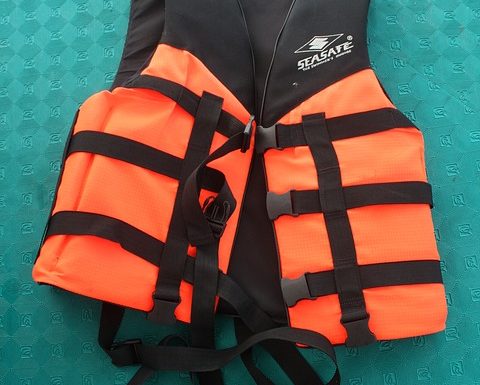
As we prepare for another long weekend and the second half of summer let’s discuss water safety. Summer is a time for boating, camping, cottaging and spending time in and on the water. Safety for children and adults is key. Learn about the difference between a lifejacket and a PFD, when to use either, and how to properly fit these in the following from Parachute.

As mentioned in our post, Help Young Minds Stay Sharp this Summer, it can be difficult to keep children’s minds stimulated during the summer months and often many children suffer summer brain drain. One of the best ways to put a plug on this drain is to encourage regular reading. Encourage your child to set a SMART Goal for how many books they plan to read this summer and keep track using our free printable summer reading log. Be sure to build in rewards when your child is on track and when they meet their goal!

For additional helpful tools for kids and adults visit our Printable Resources Page.

It’s that time again… The report cards are done, the bell has rung, and summer vacation is upon us! Summer is a time for camps, vacations, trips, cottaging and so much more. But with all the fun in store, where do they fit in time to learn? How do we as parents make sure our kids don’t suffer summer “brain drain,” while still ensuring they get the break and vacation they need? Check out the following infographic for ideas to keep kids brains sharp while having fun this summer vacation!

As seen on Ellen! Today we wanted to showcase the inspiring story of a 12 year old boy who saw a person in a wheelchair struggle to open a door and as a result started building an app to help people better navigate communities. Learn more about Alexander’s story and this amazing app by visiting The Ability App website.
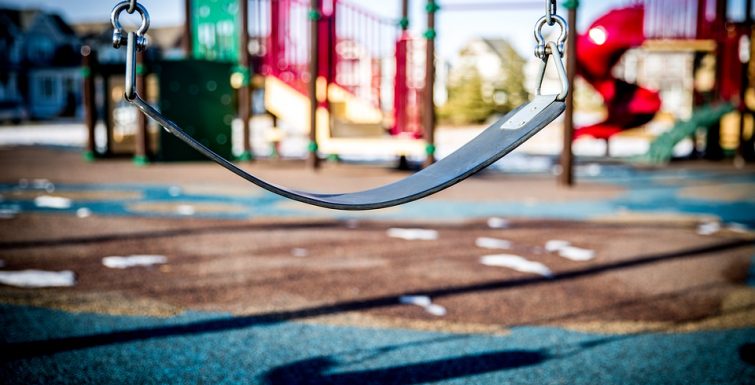
Remember this as a kid? Hanging on for dear life as someone would try to spin you so fast you would become sick or fly off at record speeds. I can only imagine the injury rates that prompted the removal of these from playgrounds.
As parents, we all have a different “danger zone” with our kids. Yet, there is a balance between letting them play recklessly and engaging in the new trend of “dangerism” where we are preventing our kids from taking risks – risks that can be so important to healthy growth and development. Playgrounds are a great source of physical exertion and outdoor exploration, but can also be unsafe. According to Parachute playground injuries account for over 28,000 injuries per year in Canada and that while many kids suffer only minor injuries, approximately 10% are hospitalized for a more severe injury often involving the head. So, how do we let our kids enjoy the playgrounds, have fun with friends, and explore independently while still keeping them safe?
Today, July 5th, is National Injury Prevention Day! Take a look at the following care of Parachute to learn how to create a safer playground experience for your children. Also visit Parachute’s National Injury Prevention Day page to learn how to Stop the Clock on other types of preventable injuries.

In celebration of summer, I wanted to share an infographic on pool safety. These helpful tips and tools are good things to review and consider, ensuring you, your friends and loved ones are safe and enjoy some fun in the sun this summer!

While Ipads, Iphones and tablets alike are filled with programs for young kids and tend to be a helpful distraction in the grocery store or when parents are making dinner, new research indicates that too much time in front of a device may linked to slower speech development in toddlers. Take a look at the following from PBS which discusses the finding and provides interactive ways parents and young children can use technology together to help build proper speech development.
PBS: Toddlers’ screen time linked to slower speech development, study finds
Learn how to tame the technology habit with help from our previous post: Too Much Screen Time? We’ve Got Solutions!