Close

Archive for category: Kids

by

Recognizing Psychological Tramua in Kids Following An Accident

As Occupational Therapists we use a holistic approach to help our clients.  After an accident we assess and treat not only the physical effects, but the emotional impact such a traumatic experience can have on one’s life.  The following article by Roger Foisy, a Canadian Personal Injury Lawyer, discusses how approximately “15-25% of children involved in car accidents show symptoms of depression that remain even months after the accident.”  Take a look at the article to learn how to recognize the signs and some great ways to help children cope after the traumatic experience of a car accident.

Roger Foisy:   Helping Children Overcome Psychological Trauma after Car Accidents

by

Homework Help

It’s Sunday evening and suddenly your child is in a panic over his science project due Monday morning.  Sound familiar?  Help your kids stay organized and on track with our printable Homework Tracker.

Each day your child can refer to, record, and check off the assignments or homework he or she has done for each subject.  This serves not only as a great way to stay on track, and plan assignments for the week, but as a daily reminder so no last minute assignments sneak up on your household.

homework-help


For additional helpful trackers and checklists for children and adults visit our printable resources page.

by

Too Much Screen Time? We’ve Got Solutions!

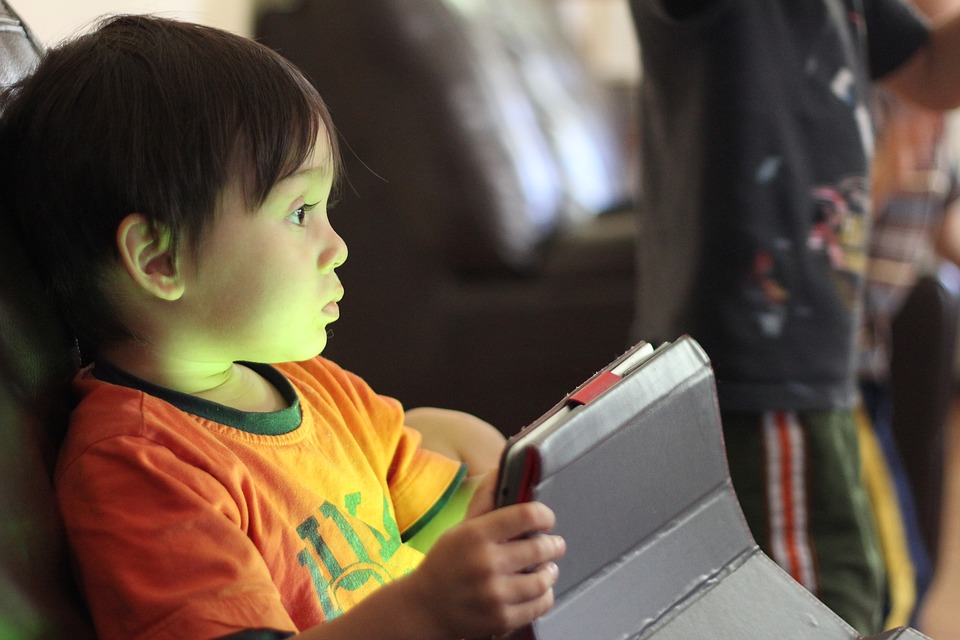
Child psychologists and occupational therapists are finding that screen time is stunting the emotional development of children. Children are not learning strategies to self-regulate behavior since they are constantly masking their emotional problems with distracting games.  Along with this expensive self-regulating strategy comes delayed development in language and social skills, poor sleep patterns, and poorer performance in school. And, what about the temper tantrum that erupts when the tablet battery dies halfway to Grandma’s?

The Canadian Paediatric Association recommends no more than 2 hours of screen time for children a day.  A recent survey showed that children in grade 6-12 spend on average 8 hours a day in front of a screen. Another study showed that one in three children are using tablets before they can even talk. Screen time is becoming a serious addiction for our children’s generation and is associated with poor health related outcomes.

We encourage you to use our FREE TECHNOLOGY PASS  printable to help get a handle on too much tech time in your home.  Simply print, laminate and use each time your child is asking for screen or tech time.  Have a conversation with your child about why you are using this tool, discuss a fair limit and get a commitment from your child.

technology-pass_15035265_d1a3efbd374e417bfc87b1cdc32ed435fbdaa4bd


Check out our post The Detriments of Screen Time and a FREE Technology Pass to learn more about the negative impacts and find strategies on how to limit tech time.


by

Concerning Study on Childhood Concussion

A head injury at any age is something that should not be taken lightly, but extra caution should be used with head injuries in children.  As discussed in the following from The Guardian, new research suggests that concussion and brain injury in childhood can cause some specific lifelong physical and mental difficulties.  While this is concerning to any parent, the good news is that many brain injuries are preventable.  Take a look at our post, Preventing Brain Injury, to learn many ways to protect yourself and your children.

The Guardian:  Childhood concussion linked to lifelong health and social problems

by

Are You Raising Responsible Kids?

When it comes to responsibilities for kids at home many things have changed since I was a kid.  When my generation was growing up most kids learned to cook, clean, tidy up after themselves, manage their own schedules and more.  Today, many kids are living in the “age of entitlement” where very few responsibilities fall on them, and many don’t know how to complete the simplest of household chores.

Teaching responsibility to kids by assigning them age-appropriate chores helps to build independence, a sense of self and prepares them for what lies ahead.

We encourage you to use this great FREE PRINTABLE to help kids become more responsible at home.


Discuss with your children some tasks they can help with on a daily basis and add these to the chart.  Be sure to review this with the kids, confirm the expectations, and get their commitment.

Here are some age-appropriate tasks or “chores” as suggestions:

Toddler (2-3)

  • Put dirty clothes in laundry basket
  • Help set the table for meals
  • Tidy toys after playing

Ages 4-5

  • Put toys away when finished
  • Make their bed
  • Clear dishes after meals
  • Prepare snacks/drinks
  • Feed pets

Ages 6-7

  • Fold laundry
  • Dust bedroom
  • Help prepare meals (with assistance)
  • Pack school lunches and backpack
  • Yard work (with assistance)

Ages 8-11

  • Load and unload the dishwasher
  • Operate laundry (with assistance)
  • Clean bedroom
  • Help put away groceries
  • Walk and care for pets
  • Make school lunches

Ages 12 +

  • Clean bathrooms
  • Vacuum
  • Prepare a meal
  • Look after younger siblings
  • Clean floors and surfaces
  • Do laundry from start to finish
by

What To Do When Lunches Come Home Uneaten

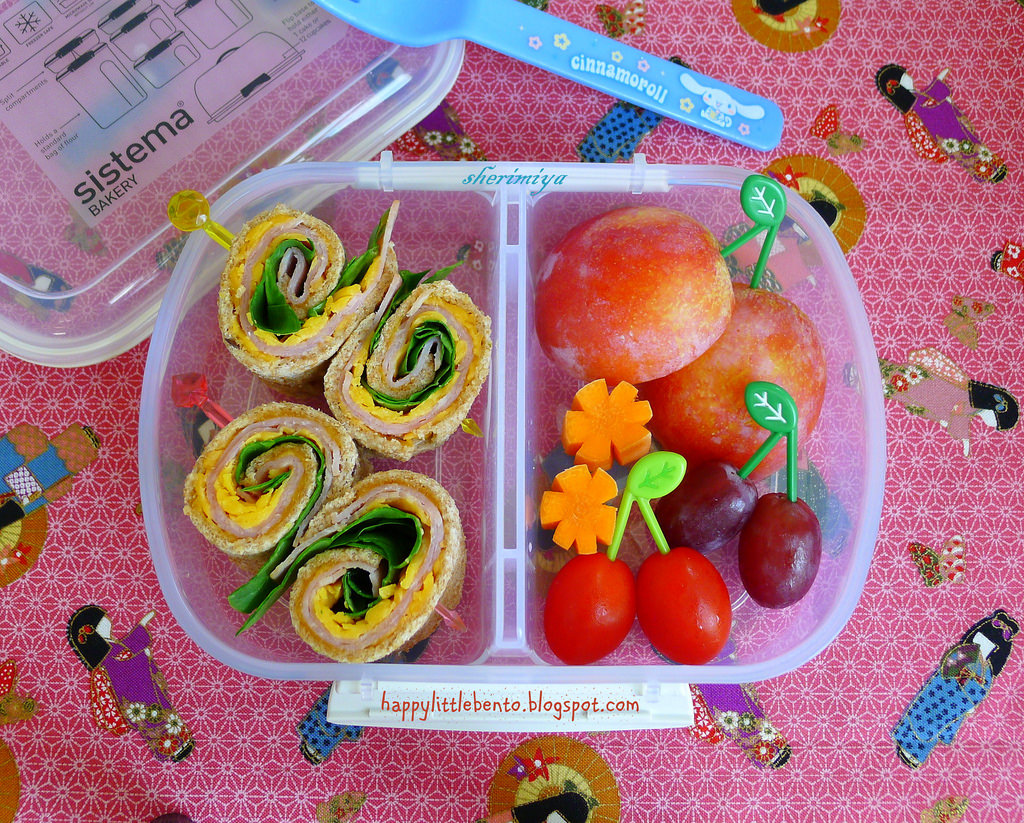
Do you have a picky eater?  Are your school lunches coming home half-eaten or leaving you to wonder if your kids are starving all day?  In the following article from CBC a healthy food expert discusses how getting kids involved in the selection and creation of their own lunches will help to ensure they are eaten.  Take a look at the article and view our video on Solutions for Picky Eaters for even more tips to get kids eating healthy meals.

CBC:  Food expert says kids should pick their lunches

OT-V:  Solutions For Picky Eaters

by

Resources to Get Back to Routine

Summer vacation is officially over and the kids are back to school!  Due to vacations, sleepovers, and the unstructured nature of no school, daily routines are often disrupted over the summer months. A consistent daily routine for kids is critical to them learning responsibility, time management, and so they get a good sleep.  Therefore in September it is important to re-establish what morning, after-school and bedtime time should look like.

In our house we have each of our girls “daily routines” typed, laminated and posted in the back hall. Though each are slightly different, they include:

Morning: 

  • wake up at 7:00 am
  • make beds
  • get dressed
  • eat a healthy breakfast
  • brush teeth and hair
  • pack lunch and backpack
  • out the door by 7:40


After-School: 

  • shoes and back-packs away
  • lunch boxes emptied
  • dry snacks and water bottle packed for the next day
  • paperwork from school in the “in box”
  • have a healthy snack
  • do any homework
  • then play (no technology)!


Before Bed:  

  • dinner dishes put away
  • play areas and bedroom are tidy
  • shower
  • healthy bedtime snack
  • reading time
  • lights out at 9:00 pm

Use our great free printable that you can customize for your kids to help them stay on track each day in the morning, after-school and before bed!  Be sure to review this with the kids before implementing, confirm the expectations, and get their commitment.  You’ll be well on your way to creating a less stressful and more organized home!  

Check out more of our FREE printables available on our website!

by

Is Stress Affecting Your Kids?

Hockey tryouts, swimming lessons, dance classes, music lessons, and don’t forget about school.  That’s right… it’s September!  Previously on our blog we coined the term “Stress-tember” –  as September is second only to December on the list of the most stressful months of the year.  Why?  Change, adjustment, new routines and… it’s busy!  While it’s important to have kids involved in a variety of extracurricular activities, sometimes they can become over-scheduled which can cause stress.  Check out the following from WebMd to help you recognize the signs of stress in children and take a look at our previous post “Are Our Kids too Busy?” to help you create a good balance.

WebMD:  10 Reasons Your Child Might Be Stressed

by

Make Life Easier With Make Ahead School Lunches

School starts next week and although many welcome the return of routine, packing a healthy lunch that won’t come home uneaten remains an ongoing parental challenge. It’s true–packing your child’s lunch can seem like a daunting, never ending task, but with a little prep work you can suffer short term pain for long term gain!  The following from Once a Month Meals shares great healthy lunch recipes to make ahead, freeze and pack all month long.

Once A Month Meals:  31 Back to School Freezer Meals