Close

Archive for category: Solutions For Living

by

Music: An Experience for All Thanks to this New Technology

Music is powerful.  Music awakens emotions and feelings within our bodies.  But, if you cannot hear, how can you feel this powerful experience?  A new and innovative technology, The Sound Shirt, has transformed what most experience with the sense of sound into one that uses the sense of touch for those who are deaf.  Learn more about this amazing new technology in the following video:

by

O-Tip of the Week: Helping You See the Bigger Picture (Literally…)

Our O-Tip of the week series we will be providing valuable “OT-Approved Life Hacks” to provide you with simple and helpful solutions for living. 

For the month of January, our O-Tip series will help you to get acquainted with your devices and the awesome accessibility features you may not be aware of.

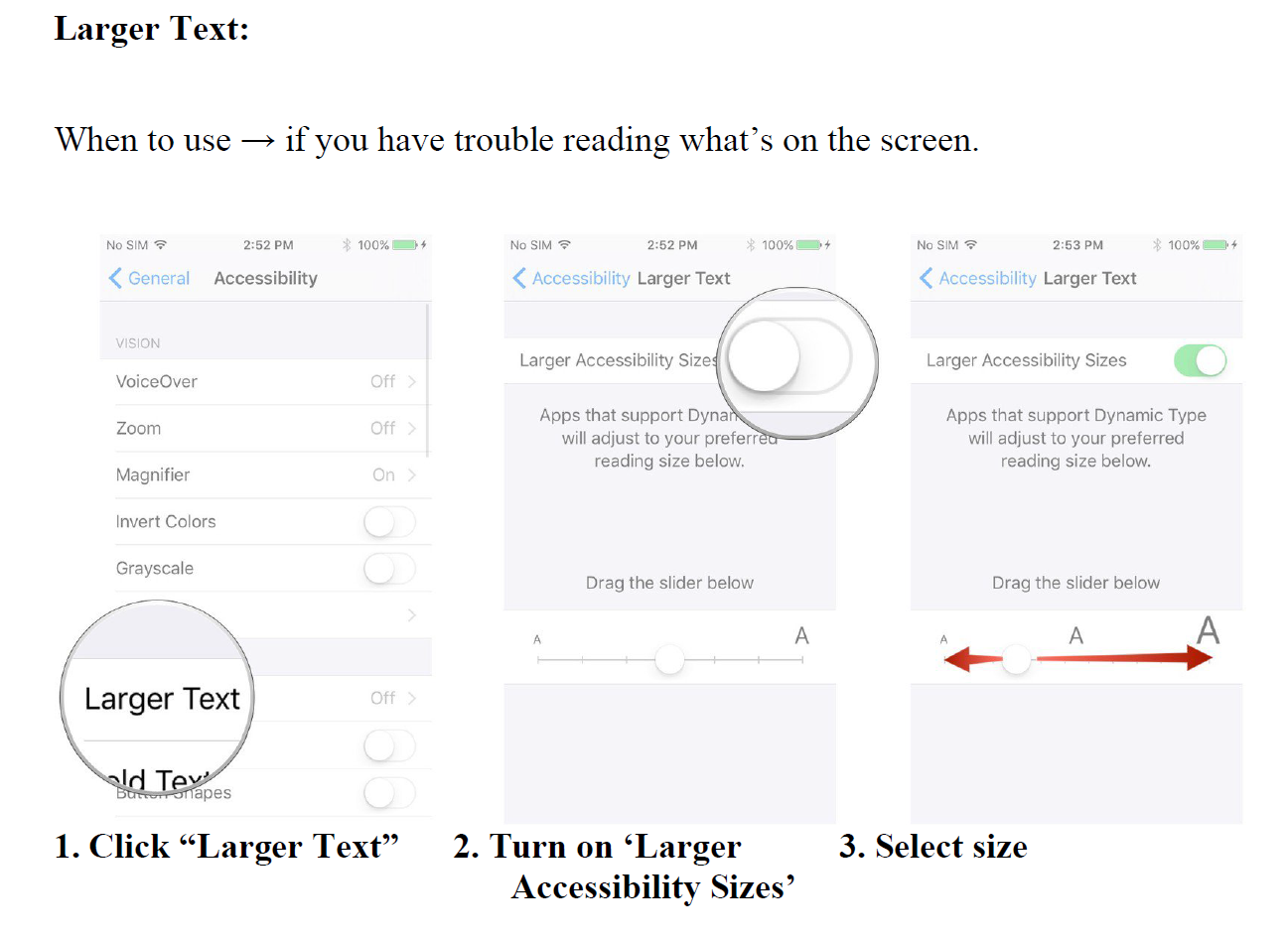
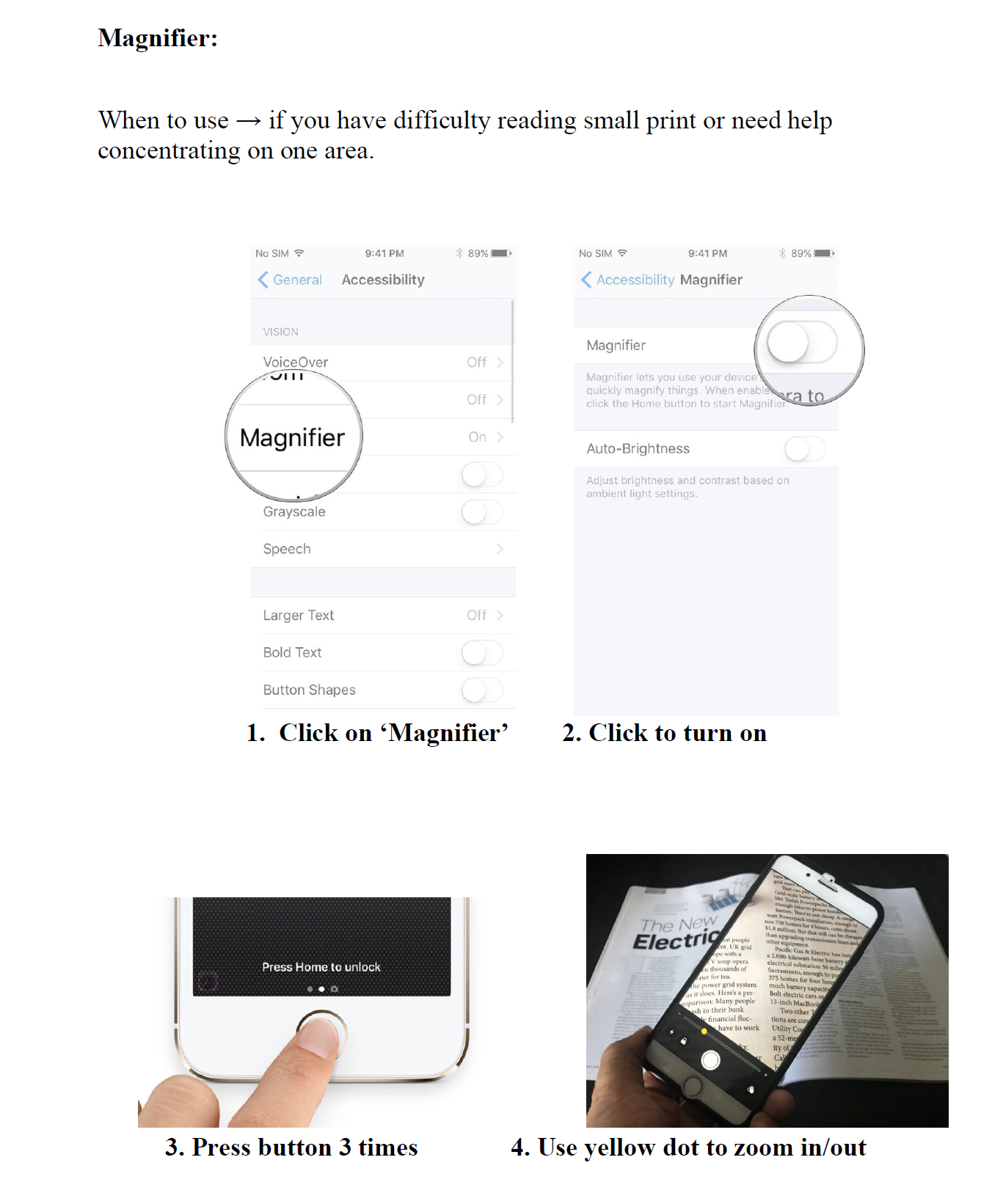
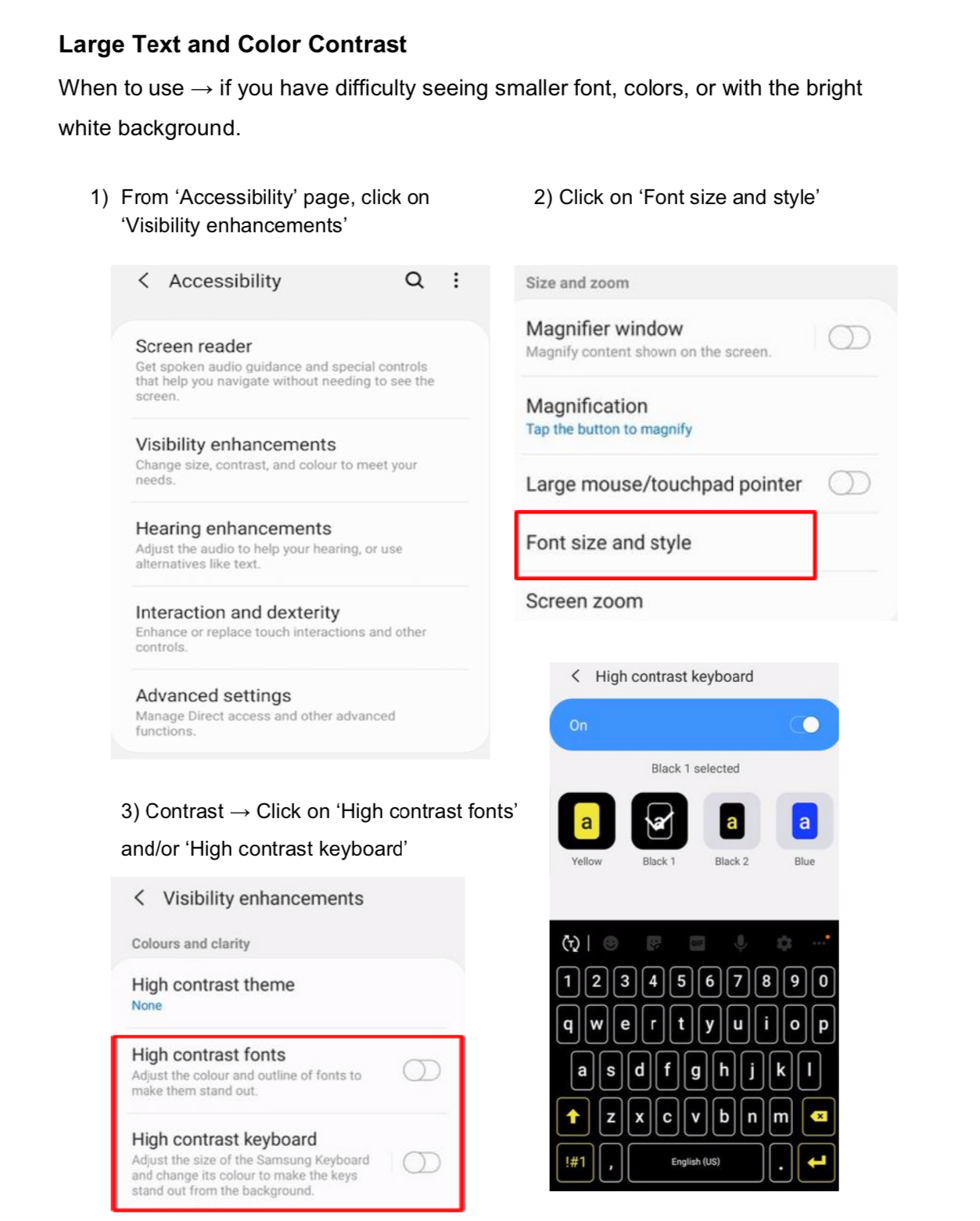
For those who struggle reading text on a small device, this tip is for you!  Last week our O-Tip provided information about where to find the accessibility features based on the type of phone you have (you can review it here).  This week, we look at how you can increase the size of the text and how to use the magnifier function when needed.

For Apple Users:  


For Android Users:


by

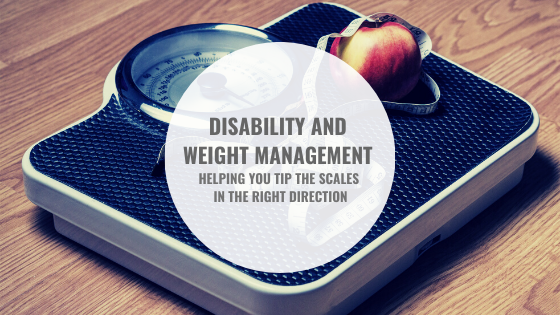
Disability and Weight Management: Helping You Tip the Scales in the Right Direction

Julie Entwistle, C.Dir. (c), MBA, BHSc (OT), BSc (Health / Gerontology)

I find that while many of my clients initially lose weight following trauma (hospital food diet); eventually the net impact of a disability is often weight gain.  This is often the result of many factors – most interacting to make the solution difficult to isolate.  Medication side-effects, altered routines, reactive eating, friends and family that provide unhealthy sympathy foods, increased use of fast food because preparing meals is difficult, inactivity, depression, and even hormonal and physiological changes to the body as a result of the trauma.

But we do know that 70% of weight management is diet and assuming this is true, then the solution to weight management should be simple – you can’t eat it if you don’t buy it.  Purchasing unhealthy food is the first step to a weight problem.  And weight problems in disabled people are exponential.  Everything becomes harder – transfers, walking, completion of daily tasks, caregiving, and many pieces of equipment have weight limits that when exceeded result in equipment failure.

What is even more problematic is the role of the caregiver in the maintenance of weight in the person they are caring for.  When people cannot shop for food and cannot cook, then helping them to maintain weight becomes the job of the caregiver.  Just buy and prepare healthy foods – perhaps food prescribed by a nutritionist or dietician.  However, often caregivers rely on the disabled person to dictate the food choices but if people are emotionally eating, or eating out of boredom, then the caregiver cannot always rely on the individual to make the best decisions.  Often raising awareness about healthy eating starts with asking people to track what and when they are eating and drinking.  Then, problems can be identified, and a list of doable solutions can be developed. 

In one instance, in helping a client with weight loss as a functional goal, we discovered through tracking that she was barely eating breakfast and lunch but was consuming all of her calories from 5-10 pm.  We made the goal that, over time, she would consume breakfast, lunch, two snacks and dinner, and would stop eating after 7 pm.  Within a few short months, she lost 30 pounds, and this greatly improved her mobility and tolerances for activity.  Another client discovered through tracking that he was consuming far too many large bottles of pop a day.  By changing his large bottle to a smaller one, and eventually to only one pop per day and the rest water, he was able to drop 20 pounds.  In both cases, the problems, solutions, and commitment to change were made by my clients (with my guidance and support), making the results far more meaningful and lasting.  Further, the client was shown a framework for how to check and modify eating habits should they deteriorate again in the future.

by

O-Tip of the Week: Getting to Know Your Devices

Our O-Tip of the week series we will be providing valuable “OT-Approved Life Hacks” to provide you with simple and helpful solutions for living. 

For the month of January, our O-Tip series will help you to get acquainted with your devices and the awesome accessibility features you may not be aware of.

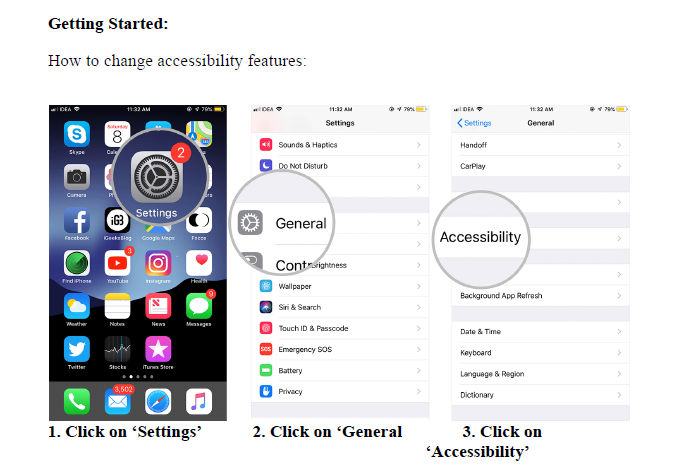
Did you know that on both Apple and Android devices there are many accessibility options you can change to assist you with your unique needs?  Below is a quick primer on where to access these features on your smartphone or tablet.  In the coming weeks, we will delve deeper into some of the great features!

For Apple Users: 


For Android Users:

by

Change is Constant – Why Resist It?

Julie Entwistle, C.Dir. (c), MBA, BHSc (OT), BSc (Health / Gerontology)

A few years ago I volunteered at a chronic pain program by assisting with an after-program book study.  This involved a group of program graduates getting together weekly to read and discuss the book A New Earth, by Eckhart Tolle.  I was amazed at the transformations in attitude, beliefs, and thoughts that came from people reading and discussing this very impactful novel.  In fact, some of the benefits we witnessed, and the things people discussed were revolutionary, and I would even argue evolutionary.

Recently I picked up this book again.  Despite some heavy content, some of the examples are life-changing and the messaging vital.  In one section of the book, Eckhart talks about the need to “evolve or die”.  How true.  In fact, this is always our choice when faced with any change, uncertainty, or interruption in how we manage.  People seem to so strongly fight change, but change is both constant and inevitable.  Why resist? 

I have witnessed hundreds of people in my career that were faced with this same challenge – evolve or die.  The ones that were able to overcome adversity, who could find, cherish and expand on ability, who were open to suggestions, coaching, and change, faired far better than those that resisted, clung to the past, and refused to adapt.  I remember one client, many years after her accident, talking to me about her chronic pain, depression, and physical appearance.  She said, “I used to be a gymnast”.  My response was, “So was I – 30 years ago”.  She laughed.  Identifying that she continued to live in the very distant past helped me (and her) to understand where she was getting stuck, and explained why she was not progressing in the rehabilitation process.  Once she could accept her new “normal”, she started to make significant progress in resuming things she used to enjoy, while also finding new meaningful and productive activities she never imagined trying. 

Here is an example that relates strongly to my role as an OT who works with people who are suddenly and significantly injured in an auto accident (page 57):

“whenever tragic loss occurs, you either resist or you yield.  Some people become bitter or deeply resentful; others become compassionate, wise and loving.  Yielding means inner acceptance of what is.  You are open to life.  Resistance is an inner contraction, a hardening of the shell of the ego.  You are closed.  Whatever action you take in a state of inner resistance (which we could also call negativity) will create more outer resistance, and the universe will not be on your side; life will not be helpful.  If the shutters are closed, the sunlight cannot come in”. 

So, given the choice between evolve or die, let’s not only choose “evolve” but let’s also make an effort to live that way.  Evolution is difficult – it requires an open mind, hard work, and a positive and accepting attitude.  It often needs people to accept new opinions, ideas and even help.  This is not our nature, but if we can wrap our head around the fact that we are “evolving”, it makes challenges seem surmountable.  It can let the light in.


Previously posted September 2013

by

Top 10 Ways to Survive the Stress of Dread-Cember

Julie Entwistle, MBA, BHSc (OT), BSc (Health / Gerontology)

It was an effective exercise in venting and I feel much better. I wrote my blog on “Dread-cember” listing all the reasons I strongly dislike this month and the holiday season in general. Then, I read it over, accepted my grievances, realized I was being grumpy (albeit honest) and admitted that I don’t want to bring other people down who legitimately love this season.

However, I will equate my problems this month with one word – STRESS.  In one week it all begins…  December is, legitimately, the most stressful month of the year. Shopping and presents, food preparation, cards, socializing, crowds, different schedules and routines, decorations, spending, pressure to buy the right thing for the right person – and not forgetting anyone.

Instead of harping on all the reasons I struggle this time of year, I am going to be productive and offer some practical suggestions for people that also have issues getting through to January. Here are Julie’s TOP 10 TIPS based on my own experiences as a busy mom, but also as an occupational therapist who often helps people to break down tasks into more manageable, and less stressful chunks:

  1. PLANNING – this is everything. Often the stress of shopping is not the shopping per se, but rather the planning beforehand. Who do I need to buy for? What will I get them? When do I need to deliver it or mail it so it is received on time? Spending endless hours in the mall looking for the “right gift” works for some, but for others some planning ahead of time can really reduce the stress of the season.
  2. ORGANIZATION – plan it, buy it, store it, and then cross it off your list. Make separate lists – cards to send, presents to buy, food to coordinate, functions to attend, decorating to do – then set it and forget it. Pull out one list a week, tackle it, and then discard. Repeat.
  3. START EARLY – don’t be a dude (sorry boys) and end up in the mall on the 24th. If you do, say hi to my husband. Seriously though, starting early can really reduce the pressure to get it all done in time. Personally, last year I was done my shopping September 9, and this year I bought my first present in February and was done in August. Soon, I will use Boxing Day to shop for the next Christmas. But being done early lets me focus on other things in December, and allows me to avoid the crowds and chaos on the roads and in the malls.
  4. GIVE BACK – nothing says Christmas more than charity. Think of those less fortunate, donate your time, no-longer used items, or money to those that are less fortunate. Get your kids involved with this by sponsoring a family, sorting through toys they no longer need, or having them come with you when you drop off donations. Have a social gathering and in lieu of a hostess gift, ask for items for the local food bank.
  5. GET OUTSIDE – I agree with this completely. Cold schmold. Put on some layers and get some fresh air. Snow is beautiful, the air is crisp, and getting outside will really assist with de-stressing and avoiding seasonal affective disorders. If it is windy, hit the trails to escape the wind chill. If you are alone, listen to some tunes. Last winter I would always hike with my snow pants on so that if the mood struck, I was freely able to stop for some snow angels (which I do).
  6. MAKE A BUDGET AND STICK TO IT – this world of abundance does not mean we need to live that way. What can you afford? Make a list within your budget, total it, and stick to it. Financial strain is stressful anyway, let alone this time of year when there are high expectations to buy the right gift, that “wow” item, and to think of so many people. Simplify – draw names, play a gift-giving game, or just consider “togetherness” and a pleasant meal as your gift to each other. Consider giving people photos you have taken in the year that you can print in larger sizes for minimal cost, or do what we do and make a DVD of the kids from the year set to their favorite music for the grandparents. This year, we realized we have a bunch of Visa points and will be clearing these off to save our bank account.
  7. MAKE IT PRACTICAL – Sometimes the practical gifts are the best. Kid’s activities are expensive and some money towards the hockey skates, dance outfit, or Karate uniform would be appreciated by most parents. Or, everyone needs haircuts and Mom’s love Starbucks or Tim’s, getting their nails done, a massage, or maybe even a house cleaning service as a treat.
  8. LAUGH – Never underestimate the value of a good laugh. Time with friends or a good movie can do wonders for the psyche during this hectic time. My favorite holiday movies are Christmas Vacation and Elf, and of course the timeless A Christmas Story. Grab some eggnog or a warm tea, curl up with a blanket and laugh for a while…
  9. SIMPLIFY – try buying things online. They come to your door! Shopping online provides a practical way to compare prices, avoid the crowds, save some travel and search time, and to look around without being bothered. Toys, books, games – these are all great online gifts.
  10. DELEGATE – can anyone help you? Perhaps provide a list of items to your spouse that they can grab on their lunch break maybe for the teachers, bus driver, or the table gifts or stocking stuffers. Do you have a parent that can hit the mall with a list for you? Can the kids help you with stuff envelopes and mailing these? You don’t need to tackle the stress of Christmas alone.

But the biggest thing I think we need to realize is that not everyone enjoys this time of year. For some, it will bring terrible or sad memories, guilt, pressure, stress, financial hardship, anxiety, and loneliness. Respect that not everyone can manage this season as they would like, and if that means you are missing a card, an email, present or phone call from someone you expected to hear from, let it go. We all have different capacities to manage stress, and the holiday season is no exception.


Previously posted December 2014


by

Keeping Up Appearances: Social Media and Self-Esteem

Guest Blogger:  Susan Wang, Occupational Therapist

In the current age of media, the internet and social media sites (especially Instagram) contribute heavily towards bombarding young girls with images and videos of models. Approx. 90% of adolescents use social media daily, frequently for more than 2 hours a day.  Girls are more exposed in higher rates to media than boys which make females much more vulnerable to the negative impacts of media than boys. With the rise of social media use for marketing and advertising, content creators and models can interact heavily with their viewers through comments and live videos. They create heavily curated profiles and document intimate moments of their lives that thousands (sometimes millions) of individuals follow and keep up with. This, in addition to the popularity of Instagram use by celebrities, can create the illusion of forming authentic relationships with their audience. The interactive nature of social networking also provides opportunities for girls to compare their appearance with their peers. For example, taking selfies may cause women to scrutinize their own image from an observer’s perspective, which is then further reinforced by instant feedback on their appearance through the form of comments and ‘likes.’

Social media presents unique pressures on body dissatisfaction and disordered eating. It is a highly visual environment in which appearance ideals and the pursuit of thinness are promoted. Indeed, the interactive nature of social media appears to contribute to increases in disordered eating. As social media marketing and advertising continues to grow, competition amongst content creators and “influencers” also rises. There is a need to create a persona and create images/videos that stand out amongst the thousands of other marketers competing for the same sponsorships. This results in models utilizing photo editing apps to alter their images. With the rise of “FaceTune” and other photo editing apps, it is increasingly easier for individuals to alter their images, without needing to consult professionals or develop skills in photo editing. This has resulted in girls comparing themselves to unrealistic beauty standards.

In addition, celebrities such as Kim Kardashian have normalized the usage of surgical enhancements. Lip injections, breast augmentations, “fillers”, and other cosmetic surgery has been on the rise in recent years.  Cosmetic doctors have reported an increase in teens seeking lip injections, citing photos of Kylie Jenner as an inspiration. Studies have shown that women who rated their self-esteem, life-satisfaction, and attractiveness as low, were more likely to undergo cosmetic surgery.  This study also indicated that women with high social media exposure were more likely to undergo plastic surgery.  There is also an increase in the number of teenagers seeking plastic surgery. In 2017, approximately 220,000 cosmetic procedures were performed on patients aged 13-19 and social media plays a large part in this trend.  The average Millenial takes over 25,000 selfies in their lifetime, which is one of the major reasons for the self-esteem issues in this age group. In a recent American Academy of Facial Plastic and Reconstructive Surgery survey, more than 40% of surgeons said looking better in selfies on Instagram, Snapchat, and Facebook was an incentive for patients of all ages getting surgery. This is magnified for teens, who use social media more often.

Instagram vs. Reality

There are existing efforts to combat the rise in unrealistic beauty standards by raising awareness about the increasing use of photo editing apps. One such example is a community on the forum “Reddit” that posts side-by-side comparisons of edited images posted by models and celebrities and non-edited photos or videos depicting what they actually look like. While some of the posts contain borderline offensive/body-shaming comments, the concept can be helpful, especially for young girls, in highlighting the efforts and altering (posing, editing) that goes into celebrities’ images.

Some additional helpful resources we came across include:

References:

Brown, A., Furnham, A., Glanville, L., & Swami, V. (2007). Factors that affect the likelihood of undergoing cosmetic surgery. Aesthet Surg J, 27 (5). 501-508.

Paul, K. (2018, October 10). Do Instagram and Snapchat distort how teenagers see themselves? MarketWatch. Retrieved from
https://www.marketwatch.com/story/the-unsettling-relationship-between-selfie-filters-and-plasticsurgery-2018-08-02

Paul, K. (2018, September 30). More than 200,000 teens had plastic surgery last year, and social media had a lot to do with it. MarketWatch. Retrieved from https://www.marketwatch.com/story/should-you-let-your-teenager-get-plastic-surgery-2018-08-29

Fardouly, J., Diedrichs, P. C., Vartanian, L. R., & Halliwell, E. (2015). The mediating role of appearance comparisons in the relationship between media usage and self-objectification in young women. Psychology of Women Quarterly, 39, 447–457.

Oberst, U., Wegmann, E., Stoft, B., Brand, M., & Chamarro, A. (2017). Negative consequences from heavy social networking in adolescents: The mediating role of fear of missing out. Journal of Adolescence, 55, 51-60.

Costa, L. D. C. F., de Vasconcelos, F. D. A. G., & Peres, K. G. (2010). Influence of biological, social and psychological factors on abnormal eating attitudes among female university students in Brazil.

Journal of Facial Plastic Surgery (2014). Selfie trend increases demand for facial plastic surgery. Retrieved from https://www.aafprs.org/media/press_release/20140311.html

Salmela-Aro, K,, Upadyaya, K., Hakkarainen, K,, & Lonka, K. (2016). The Dark Side of Internet Use: Two Longitudinal Studies of Excessive Internet Use, Depressive Symptoms, School Burnout and Engagement Among Finnish Early and Late Adolescents. Journal of Youth and
Adolescence, 46 (2). DO – 10.1007/s10964-016-0494-2

de Vries, D. A., & Peter, J. (2013). Women on display: The effect of portraying the self online on women’s self-objectification. Computers in Human Behavior, 29, 1483e1489. https://doi.org/10.1016/j.chb.2013.01.015 .

Spettigue, W., & Henderson, K.A. (2004). Eating disorders and the role of the media. The Canadian Child and Adolescent Psychiatry Review, 13 (1), 16-19.


 

by

Fall Prevention O-Tip of the Week: Improve Grip and Visibility on Exterior Surfaces

Our O-Tip of the week series we will be providing valuable “OT-Approved Life Hacks” to provide you with simple and helpful solutions for living. 

For the month of November, Fall Prevention Month, our O-Tip series will provide helpful ways to prevent falls at home and in the community.

Exterior steps can become extremely slippery in wet, snowy or icy weather.  Painting over your outside stairs with a mix of paint and sand will help to increase grip and improve visibility.  Be sure to always keep your steps clear and use salt in the winter months to ensure steps aren’t a fall hazard.

by

The Rights of a Child

Written by Justine Huszczynski, Occupational Therapist

November 20th marks the date when Canada adopted the United Nations Convention on the Rights of the Child (UNCRC). Simply put, the UNCRC is a treaty that outlines the basic human rights for children and youth.

Among other rights, the UNCRC outlines “survival and development rights” which are explained as “the basic rights to life, survival and development of one’s full potential”. Looking into this a little deeper, Article 23 under the “survival and development rights” states:

“Children who have any kind of disability have the right to special care and support, as well as all the rights in the Convention, so that they can live full and independent lives.”

So, how is Canada ensuring that the rights of children with disabilities are being fulfilled? Of course, we have public healthcare which provides children prompt access to medical attention. But Article 23 goes beyond this. It also includes the right to services – therapy services perhaps – that children with “any kind of disability” should be able to access such that they can become independent adults and experience a fulfilling life.

While Ontario offers plenty of publicly funded early intervention services for children with disabilities (based on the availability of government-funded children’s treatment centres across the province), how are the outrageous waitlists for some of the most valuable services offered in these centres acceptable? For example, in 2013 the Toronto Star surveyed nine of the government-funded treatment centres and found average waitlist times ranging from one to four years for a child to receive intensive behavioural intervention (IBI) therapy.

So how does this follow the guidelines of the UNCRC? Honestly, it doesn’t. Simply having a service available to a child with a disability is not enough. The service needs to be provided. Long waitlists do not allow children to “live full and independent lives” but in fact can stifle a child’s development by denying access to programs that are most effective as “early intervention”.

Therefore, while we celebrate how far we have come to secure the rights of children, we need to look ahead and aim for a brighter future for those children that may need some extra support – sooner rather than later. An example of striving for a brighter future comes from the parents of one of my clients who devoted their time to being their child’s advocate when “he didn’t have a voice”. After this young client was denied services by one of the government-funded children’s treatment centres in Ontario, his parents scheduled a meeting with their local Member of Provincial Parliament (MPP) to advocate for their son’s dire need for early intervention services. As a result of the advocacy skills of my client’s parents, the MPP ordered the treatment centre to complete a reassessment and the child was granted the early intervention services that he absolutely deserved and required. During a conversation with the mother of this client, she stated, “It is my job to be make my child’s life better”. This statement is heartwarming, and perhaps we should view it as a challenge. A challenge for all of us – therapists, health professionals, teachers, citizens, governments– to truly make it our “job” to ensure children are given the best life possible. So take the challenge and advocate for our children – ask more questions, get second opinions, research the available charitable funding, schedule meetings with your MPP, school board trustee, and don’t take no for an answer.