Close

Archive for category: Sports and Leisure

by

OT Approved Gifts For Fun and Function

If you’re a keen and organized shopper, I’m sure you have the majority of your holiday gifts already purchased, and if you’re anything like my Mother had everything done and wrapped in August! However, if you’re anything like my husband, you are waiting until the 24th to think about Christmas.

Although Santa and his Elves are hard at work building the toys your children put on their Christmas wish list, there may be a few items you still need to purchase.

We consulted our talented team of Pediatric Occupational Therapists and are happy to provide you with some fun but functional gift inspiration. These are gifts that are educational and stimulate child development:

ot-approved-christmas-gifts

by

Scary Study on Texting and Driving

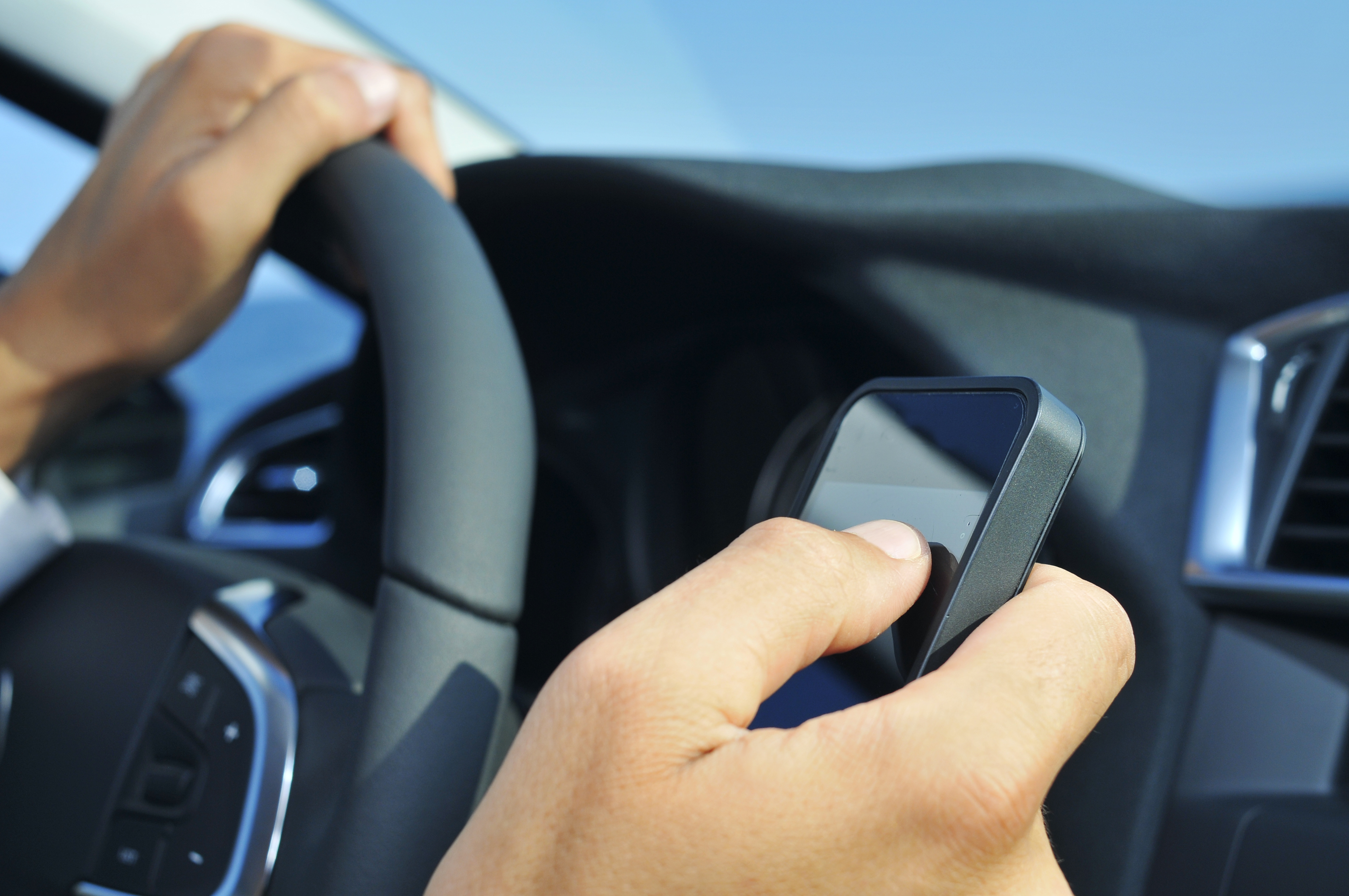
Results from an ongoing study on texting and driving by the Sudbury District Health Unit and Laurentian University have produced scary results, but researchers are optimistic these results put them closer to improving strategies to reduce this dangerous behaviour.  Research shows: “They admit to doing it, but they feel bad about doing it, they know it’s wrong and they don’t feel safe when someone else is texting and driving. Learning that information gives us a bit of leverage to empower passengers to stand up and say, ‘No, this is wrong,’ against their peers.”  Learn more about this research and the ongoing efforts to reduce texting and driving in the following article from the Sudbury Star.

The Sudbury Star:  Sudbury researchers target distracted driving

by

Promoting Safe Driving In Older Adults

In our previous blog, Senior Safety– Occupational Therapy Can Help!, we included information on how there are now almost 6 million seniors over age 65.  With this growing population, how can we ensure older adults are safe, secure, and maintain independence, especially on the road?

Seniors are the fastest growing segment of the driving population. Driving helps older adults remain mobile and independent in their community. This form of transportation provides the most convenient means to access the places and people that are important to them. Unfortunately, as seniors grow older they are more likely to experience age and health-related changes that can impact their medical fitness to drive.  However, not every senior is affected; hence, understanding the impact on functional abilities, rather than age, is key to preventing crashes and injuries.

Occupational Therapy can help seniors who drive by:

·        Educating seniors and family members on proper driving techniques

·        Assisting them to properly “fit” their vehicles. Ensure you have a clear line of sight over the steering wheel

·        Creating solutions to barriers through developing programs to improve safe driving

·        Consult on different forms of transportation

·        Recommend adaptive equipment to enhance your driving habits

Driving is an important part of mobility and independence for Canadian seniors.  Entwistle Power and McMaster University partnered together this past spring to host a CarFit event that was aimed at educating seniors about their personal vehicles.

What is CarFit?

CarFit is an educational program that offers older adults safety information along with the opportunity to verify how well their personal vehicles “fit” them and their needs. The event consists of 12 stations which will assist older adults to learn how well their vehicle fits them and their needs.

The Carfit program was designed to:

·        Promote continued safe driving and mobility among older drivers through education not evaluation

·        Create an open environment that promotes conversations about driving

·        Provide information, education and community based resources to older drivers in a quick and easily accessible manner.

Why do we need CarFit?

CarFit programs help drivers assess and adjust their seat position, mirrors, head restraints, and controls. Many people buy cars, and just jump in and drive off. Most often, they do not and are unaware of how to adjust all the safety features to their maximum effectiveness. With the technological advances of the automotive industry, automakers have been making strides to designing vehicles that are beneficial for older adults. Designing controls with larger buttons, blind spot detection systems, rear – backup cameras, lane departure warning systems have all had a profound impact on the safety and convenience of technology for senior drivers. However, with some design changes, they’ve created smaller windows, thicker windshields and roof pillars, which limit a senior’s visibility. Complicated technology control systems can be distracting or difficult to use and may be distracting. With older adults representing the fastest growing population of drivers, it’s important to understand the proper fit of vehicles to promote safety for older drivers.  CarFit helps to provide education and strategies on how to achieve the safest fit.

CarFit is a community-based program which consists of working through a 12-item checklist to provide participants with information about on how well they and their car work together. These stations include tips on the following:

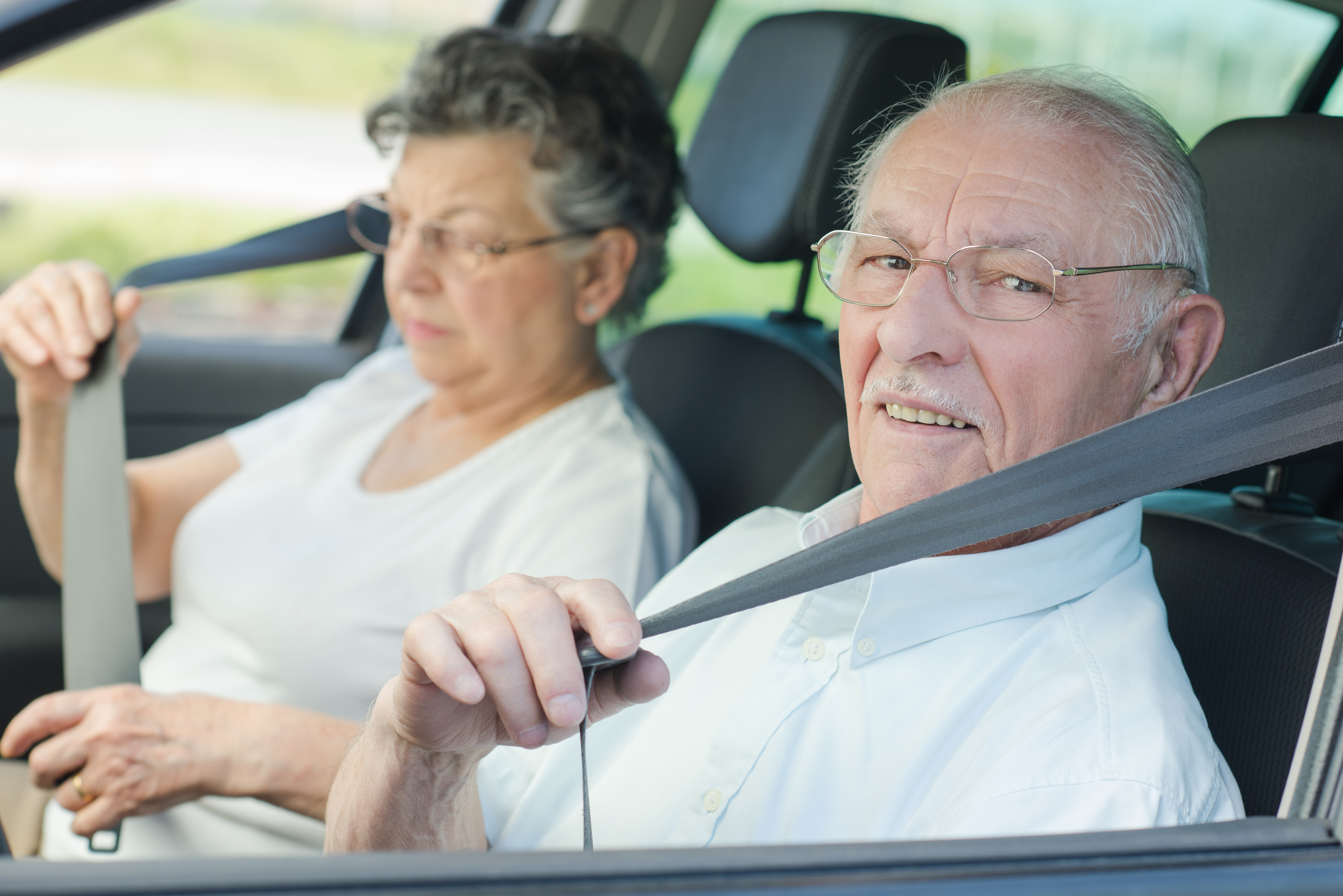
·        Proper use of seat belt

·        Position of steering wheel tilt/ head restraint

·        Proper distance between chest and steering wheel

·        A clear line of sight above steering wheel

·        Proper positioning to gas pedal

·        Proper positioning to the brake pedal

·        Adjusting mirrors

·        Appropriate Neck mobility to check blind spots

·        Safe use of ignition key

·        Operation of vehicle controls

·        Overall use of the vehicle

Does your vehicle fit you?  What can you do?

Finding out if you have the proper fit for your vehicle is essential for both your safety and the safety of others around you.  Do you have a clear view out your window? Can you reach and manage all of your controls? Is your seatbelt secure and properly fitted? Making these small adjustments can provide a huge impact through improving your comfort, control and confidence behind the wheel!

During our CarFit event, we provided education to help twelve older adults adjust their vehicles to their own unique needs. Participants left with:

·        Recommendations on car adjustment and adaptations

·        Education on the benefits of occupational therapy

·        Information regarding local resources and assistive equipment

This was the first CarFit event hosted in Hamilton, Ontario. While much was involved with hosting the event and getting things organized, our participants expressed satisfaction with being part of this experience – we hope we have started a tradition!

Interested in learning more?

If you or someone you know is interested in attending a CarFit event in the future, you can:

·         Visit CAOT’s CarFit Page, or contact your nearest CAA store for future CarFit event listings

·         Connect with us on Social Media, and keep an eye out for topics related to older adults

·         Explore www.candrive.ca for driving research and resources for older adults

·         Phone Entwistle Power Occupational Therapy at 1-866-683-0345 or email us to inquire about our occupational therapy services that can support you and/or your loved ones to age well.


by

Too Much Screen Time? We’ve Got Solutions!

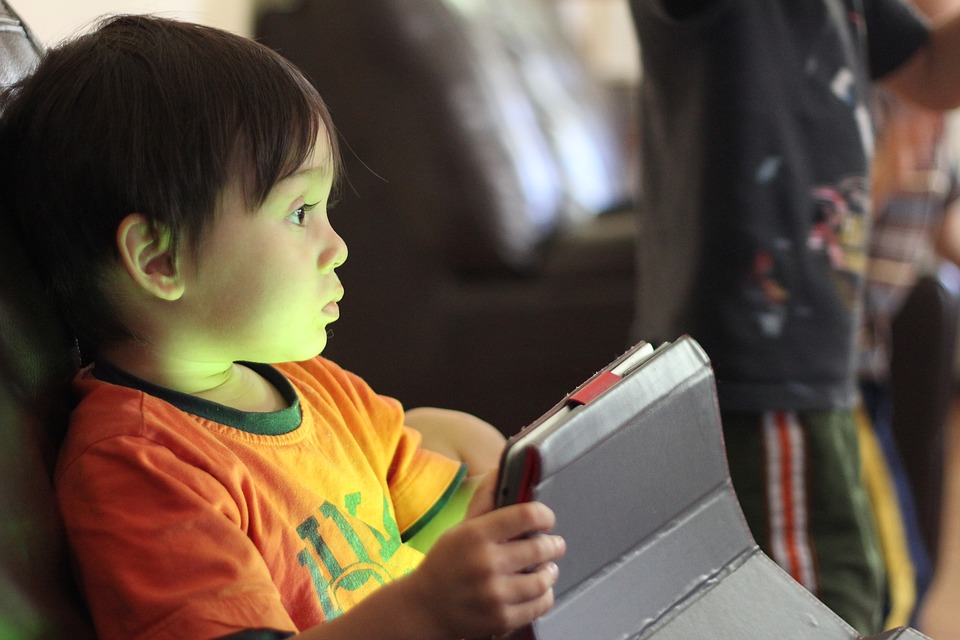
Child psychologists and occupational therapists are finding that screen time is stunting the emotional development of children. Children are not learning strategies to self-regulate behavior since they are constantly masking their emotional problems with distracting games.  Along with this expensive self-regulating strategy comes delayed development in language and social skills, poor sleep patterns, and poorer performance in school. And, what about the temper tantrum that erupts when the tablet battery dies halfway to Grandma’s?

The Canadian Paediatric Association recommends no more than 2 hours of screen time for children a day.  A recent survey showed that children in grade 6-12 spend on average 8 hours a day in front of a screen. Another study showed that one in three children are using tablets before they can even talk. Screen time is becoming a serious addiction for our children’s generation and is associated with poor health related outcomes.

We encourage you to use our FREE TECHNOLOGY PASS  printable to help get a handle on too much tech time in your home.  Simply print, laminate and use each time your child is asking for screen or tech time.  Have a conversation with your child about why you are using this tool, discuss a fair limit and get a commitment from your child.

technology-pass_15035265_d1a3efbd374e417bfc87b1cdc32ed435fbdaa4bd


Check out our post The Detriments of Screen Time and a FREE Technology Pass to learn more about the negative impacts and find strategies on how to limit tech time.


by

Concerning Study on Childhood Concussion

A head injury at any age is something that should not be taken lightly, but extra caution should be used with head injuries in children.  As discussed in the following from The Guardian, new research suggests that concussion and brain injury in childhood can cause some specific lifelong physical and mental difficulties.  While this is concerning to any parent, the good news is that many brain injuries are preventable.  Take a look at our post, Preventing Brain Injury, to learn many ways to protect yourself and your children.

The Guardian:  Childhood concussion linked to lifelong health and social problems

by

Is Stress Affecting Your Kids?

Hockey tryouts, swimming lessons, dance classes, music lessons, and don’t forget about school.  That’s right… it’s September!  Previously on our blog we coined the term “Stress-tember” –  as September is second only to December on the list of the most stressful months of the year.  Why?  Change, adjustment, new routines and… it’s busy!  While it’s important to have kids involved in a variety of extracurricular activities, sometimes they can become over-scheduled which can cause stress.  Check out the following from WebMd to help you recognize the signs of stress in children and take a look at our previous post “Are Our Kids too Busy?” to help you create a good balance.

WebMD:  10 Reasons Your Child Might Be Stressed

by

The Ultimate Guide to Backpack Safety

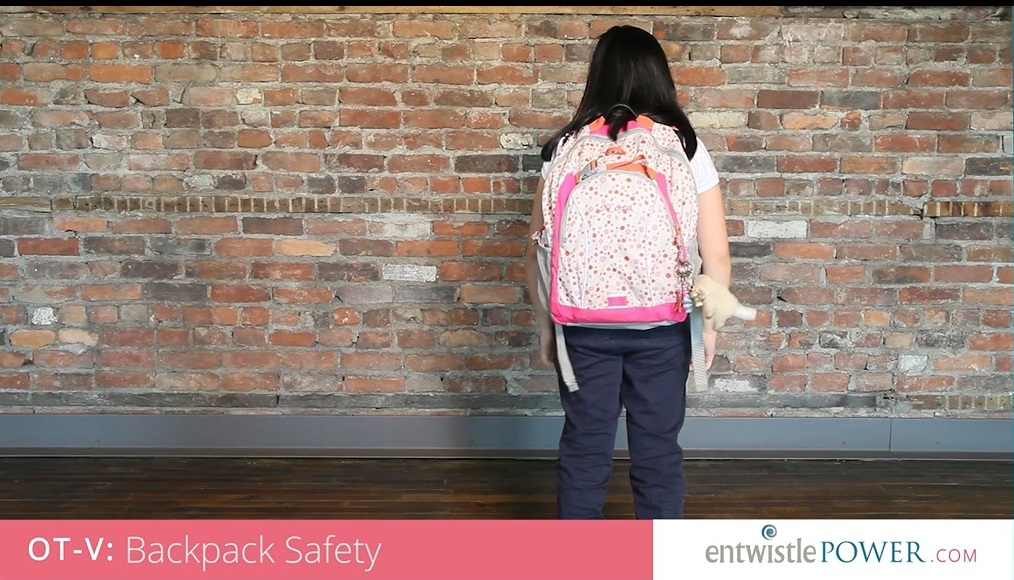
Backpacks are a staple for every student. They travel back and forth between home and school, lugging books and school supplies. They are put through the unavoidable daily abuse of being thrown on the ground, trampled on, stuffed into a cubby or locker, saving a spot in line, and become over-stretched and over-used with the necessities of school. They are a necessary part of your child’s education, yet how much thought do you really put into the backpack your child wears aside from maybe price or color?  Have you considered the health implications of an improperly worn, fitted, or poorly supportive backpack?

Take a look at our newest OT-V video, Backpack Safety Guidelines, to learn how to select and fit a proper backpack and tips on reducing the strain caused by daily use.


Learn more healthy solutions for living in our informative OT-V video series.

by

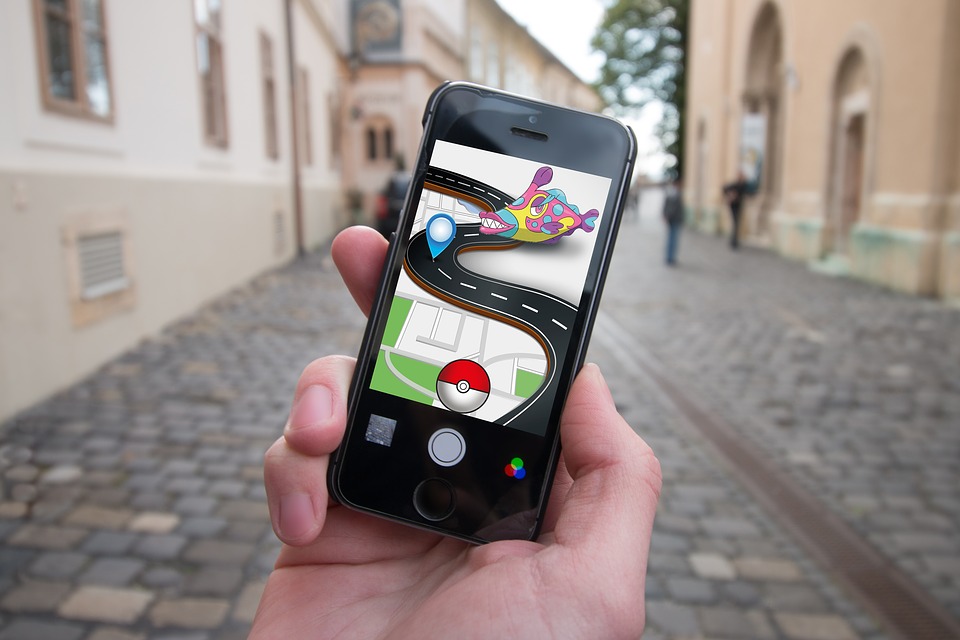
Pokémon Safety– To “GO”, or Not to “GO”

Julie Entwistle, MBA, BHSc (OT), BSc (Health / Gerontology)

While I am not a fan of technology (especially for kids), I do like technology that gets people moving.  Personally, I am the new owner of a FitBit Blaze and have found that my level of physical output has certainly increased since I can now track and monitor my heart rate, sleep and overall level of activity.  I have discovered that my ritual morning dog walk is over 7,500 steps and my preferred bike ride is 30km and keeps my heart rate at an average of 120 beats per minute.  That is all great feedback for someone that likes to keep upping the exercise ante.

So, considering my love of all things that encourages mobility, I would like to embrace Pokémon GO, except for the host of challenges this has created since it started.  Tabloids have reported that Pokémon GO players have been walking into traffic, falling off cliffs, venturing illegally over the border, and trespassing, all in pursuit of Pikachu.  I also know that “text neck” is becoming increasingly problematic the more we are all looking down constantly at a screen and interacting with that instead of the world in front of us.  Toronto is looking to make “texting and walking” illegal due to the inherent risks this causes with people not paying attention, veering into others, and generally being oblivious to their surroundings.  If we need to make laws to stop people from looking down while walking, how can Pokémon GO be a “good thing”?

Yet other data has indicated that people playing walk 30% more than “most people” (not sure how they figure out how much “most people” walk, but regardless…) and in some cases the game can be used as a helpful parenting and family tool to get outside, connect, play a virtual game of “hide and seek” and learn about road safety, property boundaries, and how to respectfully interact with strangers who might also be playing.  I also hear that the game has a way of keeping you playing (like all addictive games) in that the more you walk, the more Pokémon you can locate.  This might be a good addiction (encourages exercise), provided of course, it is safe.  So, I am still unsure whether “to Go, or not to Go”.

As an occupational therapist that helps people who are injured by or in cars, or who break bones falling, I am concerned about the aftermath of obsessive and oblivious Pokémon play if this leads people into unsafe territory.  So, whether I decide to “Go”, or decide to let my children “Go”, I have created this list of safety suggestions to consider:

  1. Always be aware of your surroundings and play in groups.

  2. When watching your screen and walking, try to stop when looking down, see what you need to see, then look up and continue.  If you need to look down and walk, try to look out in front of you, not at your feet.  Look on the horizon like people do when driving.  That way you can reduce the risk of text neck and have a better visual of your path.

  3. Always pay attention to road and traffic signals.

  4. Drivers, be aware that kids may be playing and that kids are carefree, not careless, and that they may wander in front of a moving car if their game is leading them somewhere exciting.  Make eye contact with the player, or slow down the car if eye contact does not occur.

  5. Don’t trespass.  That upsets people and not everyone is going to be thrilled that you are standing on their lawn chasing a virtual gremlin.

  6. Watch for pets and signs that warn of animals that might not be friendly.  Dogs are not going to know what you are doing, and may see anyone on their property as a threat.

  7. Stick to daylight.  It is always safer to walk when others can see you, but if you must be out at night, wear light or reflective clothing and carry or wear a bright light.

  8. Bring water and perhaps a snack.  People can lose serious track of time when gaming is involved.

And remember, that even without a device, you can still “Go” or create outdoor games for you and your children.  All Pokémon GO essentially is, is a virtual Scavenger Hunt.  So, really there is little difference (minus the text neck) between finding Pikachu and friends, and looking for a feather, rock in the shape of an arrow, or an Oak tree.  Keep it simple and remember that you don’t need technology to go for a walk.