Close

Archive for category: Sports and Leisure

by

Pokémon GO – Yes or No?

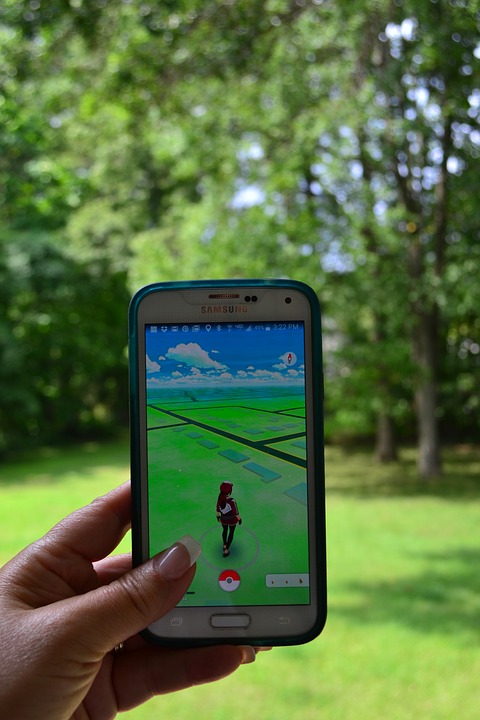
It’s the newest and biggest craze in the digital world—Pokémon GO.  An app that lets you play a video game, but gets you off the couch and out of the house.  While there are health benefits to this new game, as discussed in the following from Forbes Magazine, there are dangers that must be taken into account.  We remind you that distracted driving is one of the biggest causes of automobile accidents and that pedestrian deaths are on the rise in our cities.  We encourage you to get out and reap the health benefits, but be cautious of your surroundings and NEVER play while driving.

Forbes:  Five Ways Pokémon GO Is Actually Good For You

by

The CNE Disability Policy Change – What the CNE Did Wrong

Julie Entwistle, MBA, BHSc (OT), BSc (Health / Gerontology)

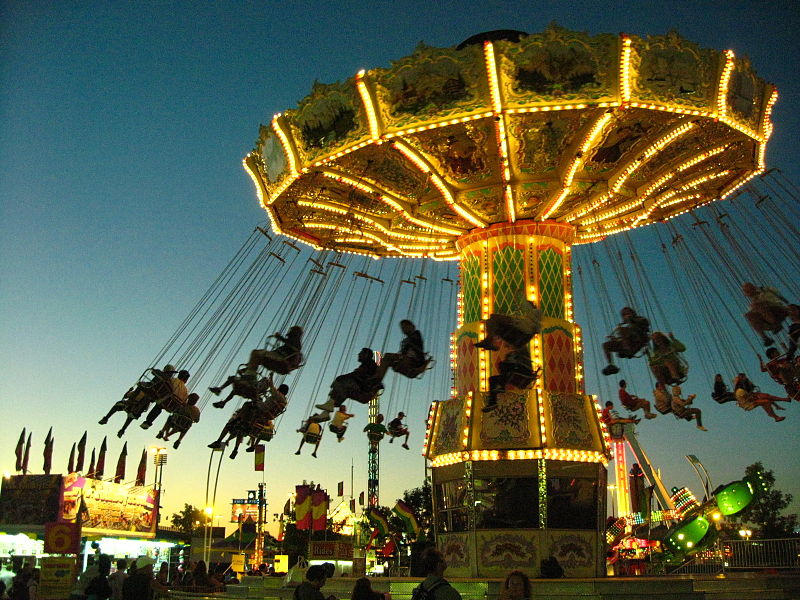
For years the CNE has allowed people with disabilities and their attendants free admission.  Last year they announced that the policy would end for 2016 in that those with disabilities would be required to pay.  Attendants would remain “free”.

Recently the Toronto Star published an article confirming the change in policy.  The CNE explains that the new policy will: respect “the dignity and independence of all of our guests, including those with disabilities.” However, advocates note that people with disabilities can struggle to earn competitive wages which limits both resources and opportunities, and can result in social and community isolation.  Those advocates give this change a “thumbs down”.

As an occupational therapist and business owner, I think the CNE has made a few mistakes in making this change, and in articulating it.  Here’s why…

I love this comic sent to me by Occupational Therapist Jacquelyn Bonneville:

comic


So, if equality is about “sameness” then the CNE has wrongly lumped the community of people with disabilities into the “equal” category.  Yet, it is easy to understand that people with disabilities can have increased difficulties making competitive wages and can be marginalized and secluded based on reduced resources and opportunities for participation in many aspects of daily life.  So, by the CNE saying that the policy respects “the dignity and independence of all our guests” they have wrongly lumped “all guests together” when not “all guests” are equal.  The previous policy was more equitable in that it leveled the playing field in a sense by allowing a more “equitable” experience for people of different means.

Essentially, then, the human issue is that the CNE may now be financially excluding a community who needs leisure more than the average person.  Literature supports leisure participation for all, but even more so for people that have reduced options to take on other commonly productive roles like paid work, volunteering, or even school or parenting.  The previous policy was compassionate and fair, the new policy is not.

From a business perspective, the CNE made another mistake.  They failed to make a logical argument for the change and opened themselves to greater scrutiny.  If they wanted to change the policy because that was a sound business decision (like expenses could no longer support it, they were having a hard time administering the policy, there were privacy and disclosure issues for customers in asking for the free admission, or felt the policy only met the needs of physically disabled people and not people with more “invisible disabilities” etc), then that is different.  In that case, the CNE should have simply said “we have reviewed the policy and while we understand and apologize for the impact this change may have on certain members of our community, our board felt it was in the best interest of the operations and sustainability of the CNE to no longer offer free admission for some customers”.  Or something.  Then, they could have used the announcement as an opportunity to advertise that they will continue to offer the $6 after 5pm fare on Monday to Thursday to keep it financially accessible to a wide range of consumers and that attendants of people with disabilities would remain free.

Of course, they could have been more creative in the first place by developing a “middle ground” policy similar to Hamilton’s Affordable Transit Pass (supports people receiving ODSP or Ontario Works), or could have progressed the policy for a year to “voluntary pay” for people with disabilities to recognize that some can afford it, and may want to pay like “everyone else” at entry.

So, knowing that my readership includes people with disabilities, if the CNE is no longer in the cards for you, or you feel the need to boycott because of the policy change, here are some other “disability friendly” places to consider:

·        Check out all the places that are included in the Easter Seals Access2 Card including:   The Royal Botanical Gardens, The AGO, The ROM, Ontario Science Center, Ripley’s Aquarium, The CN Tower, Great Wolf Lodge and more.

·        The Toronto Zoo offers 50% off admission for people with disabilities.

·        Canada’s Wonderland also has disability-friendly policies, contact them directly for discount information.

·        This resource includes other Toronto Attractions that offer a discount for disabled persons.

I am sure there are others, and if you might qualify for discounts or attendant admissions, consider contacting any park or location before you go to inquire.  I hope that these links will provide my readers with disabilities, or their friends and families, a good start for summer exploring. 

 

by

Swimming Pool Safety

Julie Entwistle, MBA, BHSc (OT), BSc (Health / Gerontology)

In celebration of summer, I wanted to repost our popular blog on pool safety. These helpful tips and tools are good things to review and consider…especially this time of year.

I was a fortunate child who grew up with an in-ground pool. As the only house on the street with a pool in our yard, the neighborhood kids would loiter around our home hoping for an invite. My mom developed a wonderful system using a Canada flag. If the flag on our fence was up – everyone was welcome for a swim. The only rule was that the kids needed to bring a parent. Mandatory. And despite the kids that would sit on our lawn whining about not having an adult to join them, my mom was firm to the rule.

We have a pool in our yard. This is separately fenced. As our kids are getting older, and have been able to swim for years, we are giving them more freedom around the pool. As long as an adult is home, they are welcome to swim. However, recently I was reminded of an important lesson – just because my kids can swim, that is not necessarily true for others of the same age. We had a pool party for our twins’ birthday and all the kids arrived and proceeded to jump in the pool. One child was hanging around the shallow end and I asked her if she could swim – nope. I was surprised that in dropping her off to a pool party, her parents would not mention this very important fact.

A few summers ago on a street very close to mine an 18 month old child drowned when he was able to get outside while his father had a 15 minute nap. Drowning is the second most common cause of accidental death among children aged 14 and under in Ontario, after motor vehicle accidents. Yet, like many risks, drowning is absolutely preventable. Here are some safety precautions to consider:

1.  Constant and vigilant supervision. Supervision of any child is a full-time job. Most drowning’s occur when a child is playing near the water and falls in – not while “swimming”. So, when it comes to kids, the “within arm’s reach” rule should always apply – whether they are in, or around, water.

2.  Using safety devices for the pool. These could include:

  • Poolside Alarm– A motion sensor is installed along the pool edge, which sounds an alarm when waves are detected from a body falling into the water.
  • Child Immersion Alarm– A wristband worn by a child, which will sound an alarm when they come into contact with water.
  • Pool Fences– Fences should be at least four feet tall, surround the entire pool and have self-latching gates out of the reach of children. Speclocks prevent children from entering the pool area, as they are complex or require adult strength to open. Gate alarms can also be installed to alert when the gate is unexpectedly opened.
  • Pool Covers– A cover built to fit your pool dimensions will act as a barrier for a falling body, as they will not enter the water.
  • Door locks – special locks, difficult for children to open and installed at the top of a door, prevent kids from being able to get into the yard without an adult.

3.  Use life jackets, not just floaties. If your child is not a strong swimmer, they should always be wearing a life jacket – in a pool, at the beach, or on a boat. Like wearing a seat-belt and helmet, children should be taught from a young age that wearing a life jacket is necessary around water. From a functional standpoint, life jackets are safer than floaties. Floaties can develop small holes that actually fill with water, or can deflate, causing the child to slowly sink lower into the water. A well-fitting life jacket is designed to keep a child’s head above water, and to flip a child over onto their back to facilitate breathing. They cannot deflate. It also provides something for an adult to grasp if they need to pull the child out of the water.

4.  Know the signs of drowning. Contrary to popular belief, drowning does not happen when people are flailing their arms, yelling and calling for help. It is actually the opposite. People that are getting into trouble in the water often look like they are climbing an invisible ladder. They can’t yell or cry for help as their body is low on oxygen and is focused on trying to keep air in, not yell it out. Know the signs – check out this link for the “8 Quiet Signs of Drowning.”

5.  Knowledge of first aid. Parents should always consider having knowledge of CPR or basic water rescue. This could prove handy for many situations beyond just water safety.

6.  Swimming lessons. Give your kids a head start by helping them to become comfortable in the water from a young age. Every minute they can stay afloat could save their life.

But remember, when it comes to children, nothing is safer than diligent and attentive supervision.

by

Keep Kids Brains Active This Summer Vacation

No more pencils, no more books… but that doesn’t mean the learning has to stop!

It’s that time again… The report cards are done, the bell has rung, and summer vacation is upon us! Summer is a time for camps, vacations, trips, cottaging and so much more.  But with all the fun in store, where do they fit in time to learn? Ahead lies two full months of vacation from traditional schooling; which for many kids is enough time for their young minds to unlearn much of what was taught.

How do we as parents make sure our kids don’t suffer summer “brain drain,” while still ensuring they get the break and vacation they need? Check out the following from Parents Magazine which suggests some great ways to incorporate learning into fun outdoor activities.

Parents Magazine:  7 Fun Outdoor Activities to Beat Summer Brain Drain

by

Are You Sun Smart?

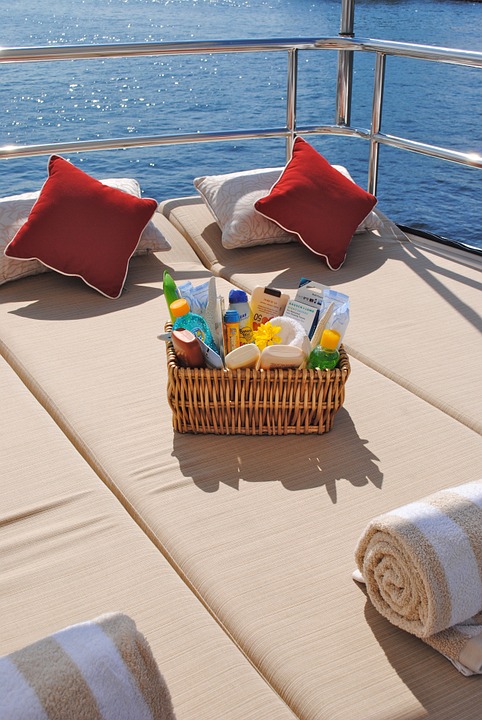
July is UV Safety Month and we wanted to discuss the importance of protecting yourself from the sun’s harmful UV rays. While avoidance and proper clothing is key, it isn’t always possible, so sunscreen becomes your best protection. However, many sunscreens contain harmful chemicals that can be detrimental to your health. Each year the Environmental Working Group compiles a database which ranks sunscreens based on their chemical components to ensure the protection you use isn’t harmful to your body. Now in its 10th year we invite you to check out the best and worst sunscreens, and be sure to search the brand you use to ensure it is the safest for your overall health!

EWG:  10th Annual Guide to Sunscreens

by

Trampoline Safety

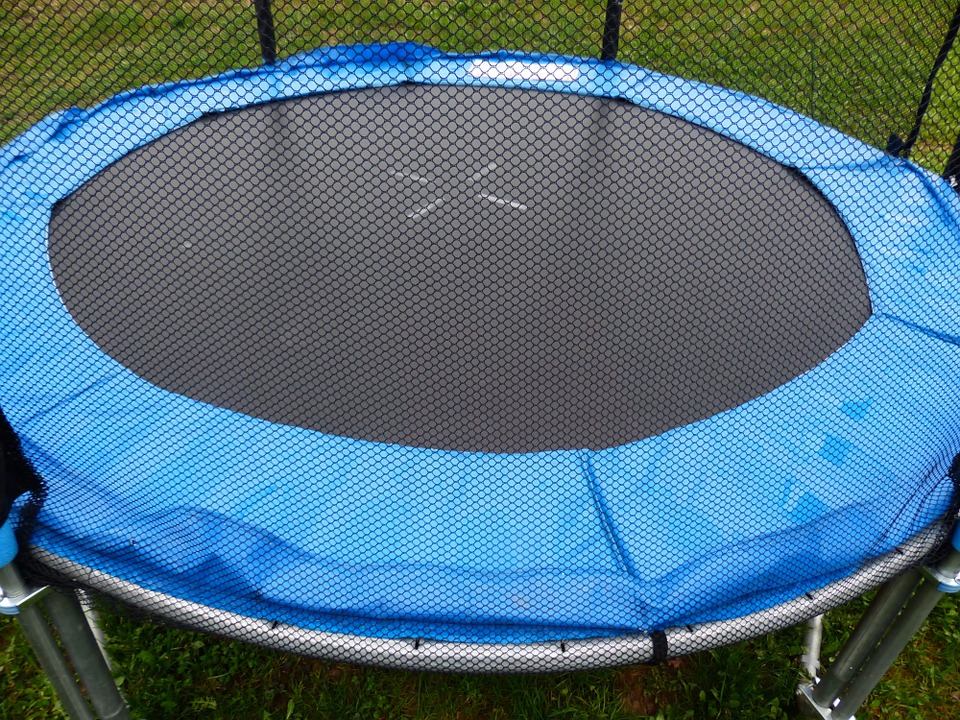
Bouncing on a trampoline can be fun, provide great exercise and a way to burn off that never ending energy kids seem to have, but there are major dangers involved.  In fact, as cited in the following article from Oatley Vigmond, a Consumer Product Safety Review report found that there were nearly 110,000 American trampoline related injuries suffered in the year 2006 alone.  So how do you prevent these injuries?  The American Academy of Pediatrics suggests simply not to own, or allow your children to bounce on at home trampolines.  Read more in the following from Shane Henry of Oatley Vigmond and tell us what you think.

Oatley Vigmond:  Trampolines:  How Bouncing Can Become Dangerous 

by

Distracted Driving — Say “I Don’t”

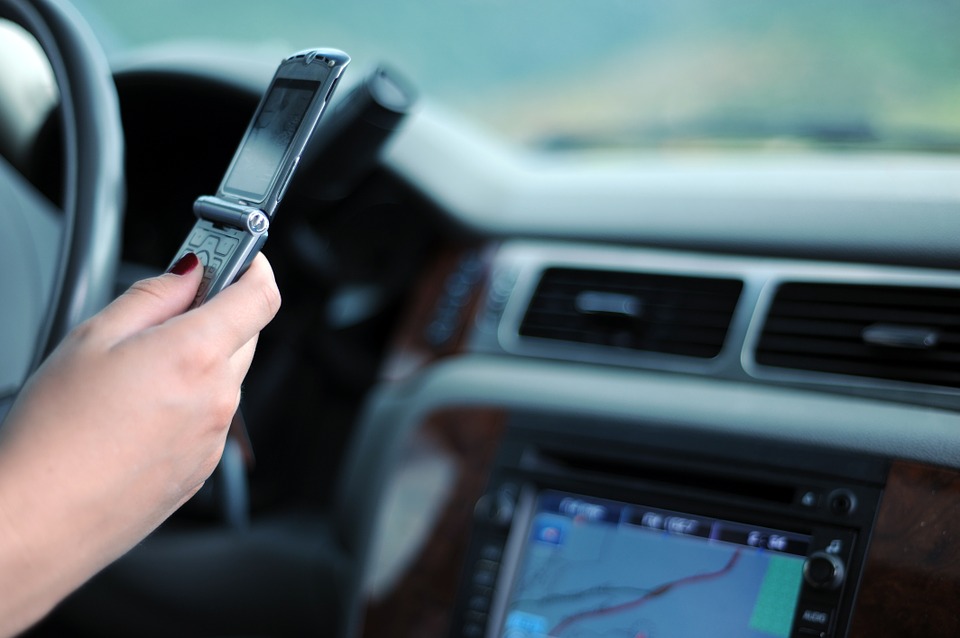
Did you know that 40% of Acquired Brain Injuries are the result of an automobile accident?  And, that texting while driving is basically like driving with your eyes closed for 5 full seconds?  Distracted driving is a major cause of injury and fatalities on our roads.  What better way to celebrate Brain Injury Awareness month than to take the pledge today.  Say I Don’t to texting and driving by visiting idont.ca created by the Ontario Brain Injury Association.

by

Protect Your Noggin: Wear A Helmet

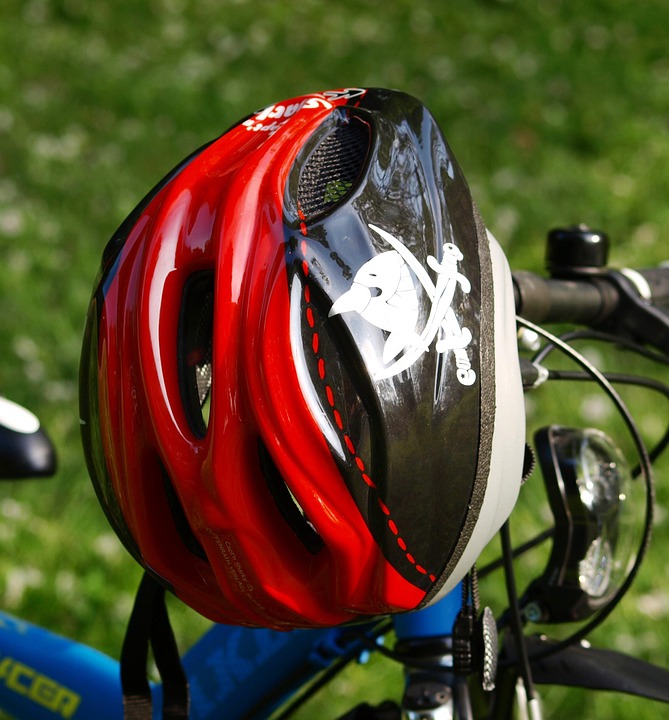
The warm weather has arrived and kids will soon be on summer vacation.  One of the best forms of exercise, modes of transportation and fun leisure activity for kids and adults is riding a bicycle.  While riding a bike is great for your health and the environment there are dangers that come with it, and it’s imperative to know the rules of the road and to protect yourself with a helmet.  In a previous post, “So I Guess Your Kid Doesn’t Wear a Seat Belt Either,” we discussed how, as professionals who see the detrimental effects of brain injuries, we are amazed at how many kids and adults still do not wear a helmet.

Education is key!  Please remember to be a role model for your kids, stay safe, ride properly and share these safety tips with those you care about.  Check out the following from Parachute Canada to learn how to properly fit a helmet and for further bicycle safety tips.

Parachute:  Follow The 2V1 Rule To Make Sure Your Helmet Fits Right

Parachute:  Helmet FAQ