
Close

Our Blog

by

Best of The Blog: When Children Can’t Communicate Pain

Recognizing it is Autism Awareness Month, we wanted to re-run a popular blog about children, communication, and pain.  Recognizing that communication is key in all aspects of life, it is essential that children learn how to display this when needed.  However, sometimes, especially for those with Autism Spectrum Disorder, communicating feelings, discomforts and pain can be quite difficult.  The following post written in November 2013 discusses non-verbal pain communication and helps parents to know what to watch for.

When Children Can’t Communicate Pain

A few years back my daughter (age five at the time) seemed a bit “off” when she came home from school.  She was withdrawn, tired, and “didn’t want to talk about it”.  She is my kid that struggles to communicate her needs, especially when she is upset, so I tried to give her some time and control over when she would be comfortable talking about it.  Eventually, I went over to her and in stroking her hair realized this had blood in it.  I pulled her bangs aside and noticed a bump, large bruise, and blood on her head, in her hair, and around her temple.  When I asked her what happened, she burst into tears.  Through some coaxing, I got her to tell me that she had fallen on the playground, hit her head, and was so embarrassed about this she didn’t want to tell anyone.  Her teacher picked up on the fact that something was wrong and sent her to talk to the principal.  To the principal she reported nausea, a headache, and was visibly upset, but wouldn’t tell the principal what happened, and the bump and blood on her head and hair was not noticed.  After I got her to calm down, and did some basic mommy first aid, I explained to her the importance of telling adults about these things in case they are serious and need immediate attention.

The ability to communicate pain and discomfort is invaluable – it not only allows a person to express how they are feeling in order to receive medical attention, but also can help them to obtain medication or treatment to make the pain more manageable.  However, many children (and some adults for that matter) are unable to express their pain due to a difficulty with communication, or a developmental or intellectual disability.  This can make it very difficult for health practitioners and family members to decipher their level of pain following an injury, medical procedure, or with illness.

For children that cannot verbally communicate pain, there are other methods that can help.  For example, the Non-communicating Children’s Pain Checklist (NCCPC-R) was designed for children who are unable to speak due to a cognitive disability.  The NCCPC-R can be completed by a caregiver within the child’s home environment, and measures observations of the child’s vocalizations, social interactions, facial expressions, activity level, appearance of body and limbs, physiological signs, eating, and sleeping.  In addition to the home-based version, a postoperative version of the NCCPC-R also exists.

Interestingly, studies have shown that the expression of pain by children with Autism Spectrum Disorder is not significantly different from typically developing children or even from children with intellectual disabilities. However, what does seem to be different is the length of the behavioral reactions of children with Autism, after the source of pain has been removed. This information may be surprising to some, as it is often thought that children with Autism are insensitive or have a high tolerance to pain.  Therefore, caregivers and healthcare professionals need to be aware that although a child with Autism (or any developmental disability for that matter) may be unable to verbally communicate their level of pain, we cannot assume that they are not in pain.  We need to be able to look beyond verbal communication.  One method, using observation, is the FLACC scale (Face, Legs, Activity, Cry, Consolability).  With this, pain in children and adults who are unable to communicate are observed through are range of symptoms that are scored from 0 to 2.

So while my daughter is capable of communicating verbally, emotional upset and embarrassment prevented her from taking the important step of telling an adult about what happened.  Through her behavior and presentation, her teacher, the principal and I were able to see that something was wrong, and eventually, when she was comfortable talking about it, I figured out what happened.  Thus, behavior, verbal or not, is a key indication of how a child is feeling.  It is important for parents and healthcare providers to be aware of the signs of pain in children, verbal or non-verbal, as their bodies can very well communicate their level of pain when they cannot do so through words.
by

Happy Anniversary! Julie’s Top 6 Blog Tips

Julie Entwistle, MBA, BHSc (OT), BSc
 
I love milestones.  They are a time to reflect on the good, bad and ugly, and to look ahead with excitement and optimism.  Today marks the one year anniversary of the launch of this blog.  What started as an opportunity to spread the word about all things occupational therapy, has morphed into a new passion, a positive outlet, and hopefully one more way I can help others and matter in this world.   The result?  77 pages and over 41,000 words in original post writings, and an excess of 12,000 blog views.  Not bad!  But the biggest excitement for me are the conversations I have had with others – comments, positive feedback, ideas and emails that help me to stay inspired and think of stories to tell and things to showcase.
 
So, in celebration, this week will be “The Best of the Blog” where we will highlight the most popular posts from the year – the ones that were shared and read above all others.  But I wanted to launch the week by answering the question I am most commonly asked:  “what are your secrets to blogging and how do you do it?”  Well, here are my Top 6 Blog Tips:
 
1.       Like writing.  If you are not a writer, don’t enjoy it, or find it immensely time consuming, chore-like or difficult, blogging may not be for you.  Personally, I love writing and find the process of putting my thoughts on paper therapeutic, fast and easy.  This makes blogging for me a natural fit. 

2.       Be okay with criticism.  Blogging, like public speaking, is essentially “putting yourself out there”.  This exposes you to comments, sometimes ridicule and nastiness.  Everyone is entitled to an opinion and you can’t take it personally when that opinion differs from yours.  I actually love a good debate and enjoy hearing multiple perspectives on an issue. 

3.       Be inspired.  Like anything in life, success comes from being impassioned.  If you truly love something, and want to share that with others, then blogging about it is easier.  I am so inspired by the profession of occupational therapy, and by stories of amazing people who say and do amazing things, that it makes it effortless to tell these tales and to find sharable greatness everywhere. 

4.       Have help.  While I write my posts and proof and edit all my blog content, I am personally not responsible for posting and monitoring the end result.  Erin, my blog manager, keeps this organized, sends me stats, helps me to find awesome stuff, and reminds me of the things I should be mentioning or celebrating in different weeks or months.  While I love to write, I don’t love technology so if needed, find someone else to handle that part. 

5.       Keep it personal.  I know people (and companies) that have blogs that they don’t write (or even read) the content that is posted in their name.  While that is an effective way to be on social media and to build online presence – is it genuine?  Does it reveal anything about who they are or what they know?  The most fascinating thing about this world is the people in it – their experiences and knowledge.  Share that! 

6.       Blog often.  Personally, I think you are better to NOT start a blog at all if you can’t maintain it.   Nothing to me looks worse than a blog that was started and then ignored.  Don’t put a marginal effort into it as that just negatively reflects your own brand personality.  Or, if you do start a blog, and realize it is not for you, shut it down, lick your wounds, and move on.  But before you even launch it, write 8-10 posts so you have a head start.  If you can’t do that, or don’t enjoy it – red flag! 

Rightly or wrongly, these are my personal blog pointers.  And revealing that begs the question:  “What is next for me and this site”?  Well, as I said, this one year milestone has me looking ahead with excitement and optimism.  More guest bloggers, original posts, controversial content, and video.  Stay tuned! I have a few fun projects in the works that I hope to launch here in the next few months.  And as always, I would love your feedback.  Ideas?  Comments?  Bring them on!
by

Food For Thought: Can The Gluten-Free/Casein-Free Diet Help With Autism?

Many parents with children who have autism are moving towards a strict gluten/casein free diet.  Although this diet has not been medically proven to help with the symptoms of autism spectrum disorders (ASD’s), many feel that it does.  The following from Web MD discusses the pros and cons of the gluten/casein free diet and the connection to ASD’s.

We want to hear from you!  Comment below on your views on the Gluten-Free Casein-Free diet and its effects.

Web MD:  Gluten-Free/Casein-Free Diets for Autism

by

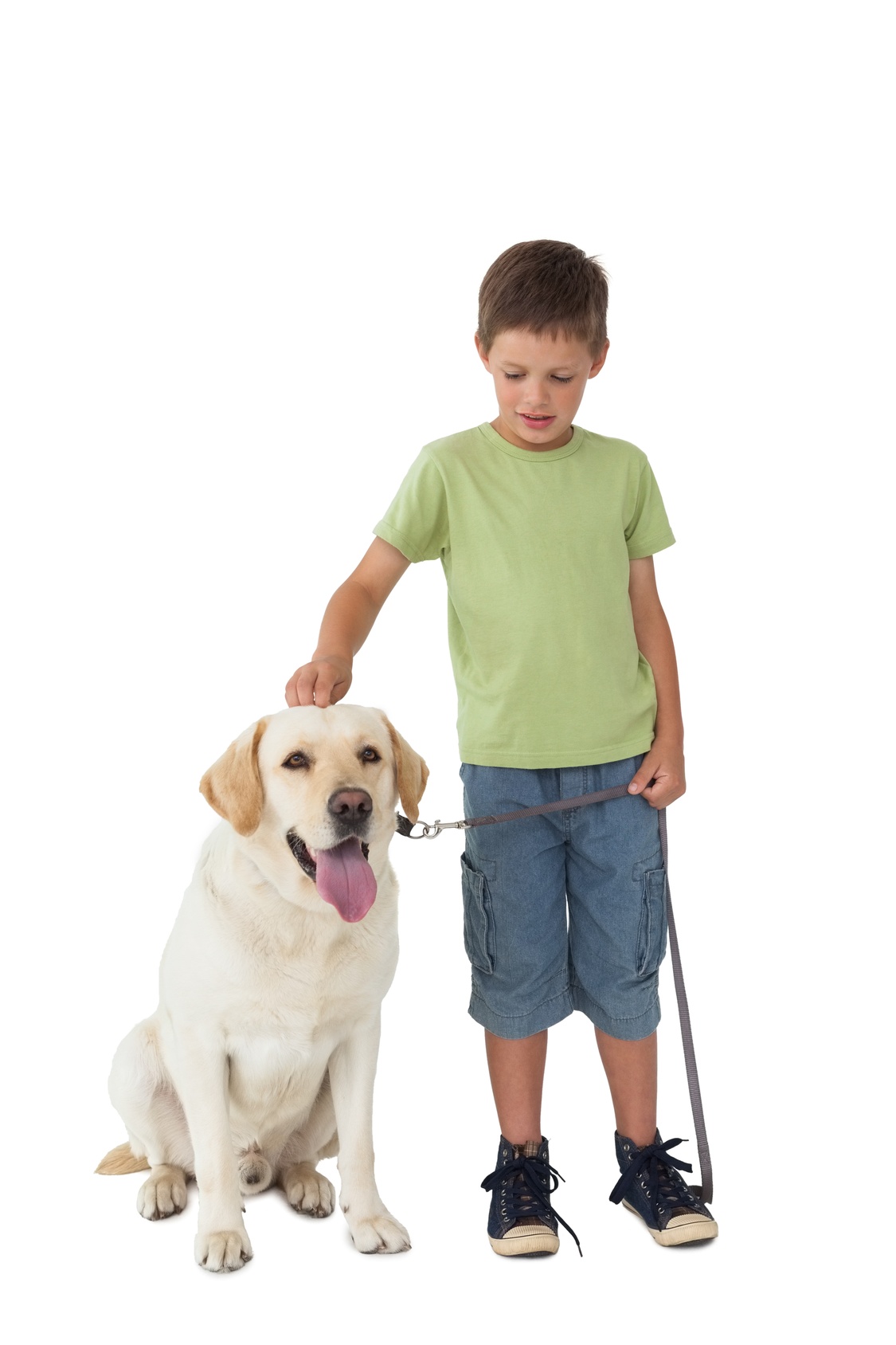
Service Dogs are in the Grocery Store, Why Not the Schools?

Julie Entwistle, MBA, BHSc (OT), BSc (Health / Gerontology)

In a previous blog called “Dog Awesomeness” I outlined how service dogs are being used more and more to help disabled children and adults function more independently and safely in their home and communities.  These dogs have been so widely recognized as useful for people with disabilities, that they are now allowed in public places, on airplanes, and even privately owned commercial establishments.   People with disabilities have fought long and hard to make this happen, and society has accepted these animals as working assistive devices – well trained and not to be tampered with or touched.

More recently, there has been growing research to support the use of service dogs for children with Autism to help them manage both inside and outside the home.  To recap, Autism is a complex developmental disability that typically appears during the first three years of life and affects a person’s ability to communicate and interact with others. This disorder is defined by a certain set of behaviors and is a “spectrum disorder” that affects individuals differently and to varying degrees. There is no known single cause, and no cure.

Inside the home, Autism service dogs can help to modify behavior in these children. Many parents have reported that the service dog provides a calming influence as the child pets the dog, or has it lying close by. This comfort can also allow a child to cope with transitions between places, activities, changes in routines, and may even help to improve sleep patterns. The child is able to get through anxieties that may be associated with daily activities with the help of his or her dog.

When outside the home, the service dogs is trained to respond to commands given by the caregiver or educator, particularly “stop”. As a result, this prevents the child from entering into potentially dangerous situations and gives the caregiver or educator time to intervene if needed. The service dog also prevents the child from wandering away from the family while out in public settings, and provides opportunities for parents and caregivers to teach their child about staying with their service dog and walking safely outdoors. The dog also acts as a companion for the child, constantly next to them to pet or cuddle which relieves anxiety.  Essentially, the dog forms a physical anchor, making public outings easier to cope with for all involved. Because the child also shares in the responsibility for caring for their service dog through exercise, grooming and feeding, this increases the opportunities to enhance the child’s independence, while also allowing them to achieve a sense of responsibility.

Considering the immense benefits of these dogs for children with Autism, I was surprised to read a Toronto Star article that reported that Canadian parents of these children have had to fight to get service dogs allowed at school. While parents are getting some legal help to lobby for a fair and standardized policy on this, nothing has been developed and most parents are having to fight on an individual basis as each school, and school board policy, is different.

My mom told me a comical (and gross) story of a puppy service dog (“in training”) who she saw in the grocery store.  As the trainer was obtaining items from the bulk bins, the dog was head deep in another bin eating mouthfuls of something while drooling and slobbering all over the place.  The owner didn’t notice.  As the man walked away with the dog, my mom alerted a clerk who had the bin emptied and cleaned.  But the story leads to the question – if service dogs are allowed in the grocery store, why not the schools?

If service dogs are truly “assistive devices” aimed at improving independence, behavior, providing comfort and safety, and reducing anxiety in a child with Autism, then the schools should be required to accommodate.  Now I recognize that some other children could be allergic or fearful of dogs, but this will be the minority and with some careful planning, classes could be organized to meet the needs of all.  I think society, and the parents of today, are more apt at supporting these accommodations – we have already adapted to nut-free schools, litter-less lunches, nutrition policies, technology for learning, multiple page trip waivers – evidence that we are open, understanding and willing to evolve the meet the changing needs of our times, and our children.

References

Autism Dog Services www.autismdogservices.ca

The Toronto Star:  The Toronto Star:  Parents With Autistic Kids Fight To Get Service Dogs in Schools

by

The Importance of Sleep

It is well known that getting a good nights’ sleep is vital to physical and mental health, but this is also true for brain function. Sleep supports growth and development in children and teenagers, and helps with the body’s healing process.  Unfortunately, however, many of us struggle to get a quality sleep due to sleep disorders, and life or career stressors.  The following from “Sleep Review Magazine” shows an ongoing study into how chronic sleep deprivation may cause brain damage and reiterates how important sleep is for your health!

Sleep Review Magazine:  Sleep Debt Can Result in Lasting Brain Injury