


For years salt has been hailed as one of the biggest concerns for your health, however, new research is showing that sugar has become the “silent killer.” A diet with excessive sugar can lead to heart damage, obesity, increased cancer production, liver problems and more. It’s easy for us to avoid the true “sugary” foods, unless it’s Halloween, but there are many foods that are high in sugar content that you may not realize. The following article from Best Health Magazine provides you with 10 shocking sources of sugar. Check it out and, like anything else, be sure to eat your sweets in moderation.
“We can’t help everyone, but everyone can help someone.”
Ronald Reagan

Julie Entwistle, MBA, BHSc (OT), BSc (Health / Gerontology)
We cannot (or should not) discuss brain injury awareness without spending time recognizing the family and friends that take on the caregiving role after someone they love has an injury of this nature. Two years ago I co-facilitated a workshop for caregivers of brain injury survivors. What a great event! Not only was this well attended, but the speakers provided an amazing amount of education, skills and insight into how to both cope, manage, and achieve success as the care provider of someone with a brain injury. I wanted to take a moment to highlight my personal takeaways from this event:
Everyone has a story. As someone who lost a brother-in-law to the effects of a catastrophic brain injury, I understand how telling our story – be it about loss, change, remorse, guilt, fear, or triumph can bring people together and has immense therapeutic benefit. Caregivers benefit from collaborating, talking, sharing, laughing, crying and growing together. Our health system needs to create these opportunities, or caregivers need to find ways to make this happen.
Grieve. In my undergrad I studied grief and loss and even worked in hospice. What I realized at our workshop, however, is that the permanence of death allows people to grieve their loss, achieve acceptance, and eventually move on. When dealing with survival from a traumatic event, however, grief is not always experienced as our loved one is still present, albeit different. Yet, our speakers emphasized the importance of grieving: the life that once was, the life that may never be, and the changes and adjustments that have occurred. Caregivers need to let this grief process happen, or should seek support from a trained professional to experience this important emotion.
Find a new normal. Clients, caregivers, and health care professionals need to always consider that the old “normal” may never return. In that case, we all need to collaboratively look ahead to creating a “new normal”. Different does not always have to be bad, and it requires an open and optimistic mind to think that way. For OT’s that means taking the abilities of the individual, considering their resources, and helping them to create that new life of function, fulfillment, meaning and productivity.
Put on your own oxygen mask first. We spoke extensively about the importance of caregivers taking the time to attend to their own personal needs, to have positive coping mechanisms and sources of support. Then, at break I was speaking with a man whose wife suffered a brain injury. He talked about the “airplane analogy” and how this applies to caregivers – put on your own mask before helping another. I smiled and told him that I wrote a blog on that exact topic, with that exact title last year. As he found that analogy practical and helpful, I thought I would share the contents of that previous blog here, to highlight this important third point:
If you have ever travelled by air you are familiar with the drill. Instructions on how to buckle and unbuckle your seatbelt, where the life vest is located, emergency exits, and “should cabin pressure change, an oxygen mask will fall from the overhead compartment…passengers should always put on his or her own mask before assisting children, or a disabled passenger”.
I read a mommy blog the other day that called this the “airplane example” and the writer related this to how moms should approach motherhood. Ultimately the message is this: as a mom, put your own health first because you are useless to your kids and spouse if you ignore your own needs. Really, you can’t help a child with an emergency escape from a crashing plane if you pass out helping them with their mask.
While I do agree that mothers (and fathers for that matter) need to consider their own needs in providing for the family, this is also true of people that provide care to a disabled person. My experience is that often caregivers do not really “elect” that role. They are not trained to be a caregiver, and really just try to do their best with the skills and resources they possess. However, where many fall short is maintaining their own health and wellbeing in dedicating their physical and emotional time to another person: a person with challenging and multiple needs. The job of a caregiver is often 24 hours, and resources don’t often permit, nor does the government provide, sufficient relief from this responsibility. Caregivers are often sleep deprived, suffer from muscle and joint pain in fulfilling their role, and can become isolated and depressed due to the changes they have made to take on these new responsibilities. Sound familiar? This very closely mimics motherhood (especially for new moms).
The answer? Put on your own oxygen mask first. What can you do to breathe easier? What helps you to feel clear-headed, energetic and optimistic? What gives you that ability to stay positive, appreciate and take on your responsibilities with some enthusiasm? The answers are often different for all of us. In the end, figuring out how to wear your oxygen mask first requires you to be honest about your abilities and skills, to utilize the resources available, and to ultimately ask for help if this is needed.
And for us health care professionals? We need to be very careful of the responsibilities we place on caregivers. This is especially true in the medical community where we repeatedly discharge people into the care of family, without family really knowing what the responsibilities will entail. As health care providers our responsibility is always to the client, yet we need to take that extra time to check in with the caregiver, talk about how they are coping and managing and if needed, offer them an oxygen mask.
I hope the caregivers that attended our workshop felt that by spending a day focusing on themselves, expanding their knowledge, and learning the keys to success, that this was one step towards them being able to put their own mask on first. This was highlighted at the end of the day when the caregiver of a survivor, whose loved one was injured 13 years ago gave this advice: “If I could do it again, my priorities would be self, family, then my loved one with a brain injury”. What a great lesson for me to take forward in my practice.
For more posts related to brain injury please visit our Brain Health Archive.


How can you throw a ball as hard as you can and have it come back to you, even if it doesn’t bounce off anything? There is nothing attached to it, and no one else catches or throws it back to you.
Throw it straight up in the air.
Take a look at the fantastic performance of a 6 year old Edmonton girl with Down Syndrome that has gone viral.

June is Brain Injury Awareness Month and as we strive to educate you on the prevention and treatment solutions for brain injury, we want to bring you back to the basics. What is a brain injury? Much like our fingerprints, no two brain injuries are completely the same. Learn more about the human brain and how it can be affected by brain injury care of the Brain Injury Society of Toronto.
“Where there is desire
There is gonna be a flame
Where there is a flame
Someone’s bound to get burned
But just because it burns
Doesn’t mean you’re gonna die
You’ve gotta get up and try, and try, and try…”
Pink, Try
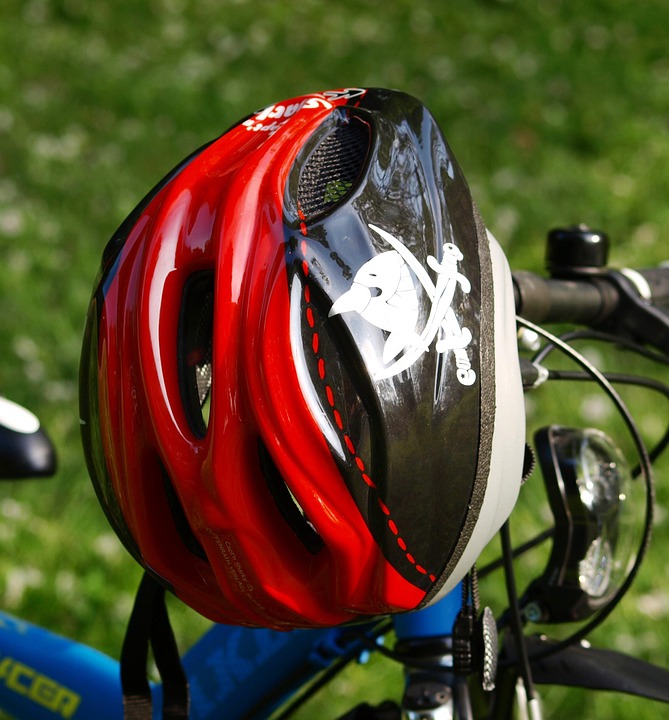
The warm weather has arrived and kids will soon be on summer vacation. One of the best forms of exercise, modes of transportation and fun leisure activity for kids and adults is riding a bicycle. While riding a bike is great for your health and the environment there are dangers that come with it, and it’s imperative to know the rules of the road and to protect yourself with a helmet. In a previous post, “So I Guess Your Kid Doesn’t Wear a Seat Belt Either,” we discussed how, as professionals who see the detrimental effects of brain injuries, we are amazed at how many kids and adults still do not wear a helmet.
Education is key! Please remember to be a role model for your kids, stay safe, ride properly and share these safety tips with those you care about. Check out the following from Parachute Canada to learn how to properly fit a helmet and for further bicycle safety tips.
Parachute: Follow The 2V1 Rule To Make Sure Your Helmet Fits Right