Close

Archive for category: Brain Health

by

Concerning Study on Childhood Concussion

A head injury at any age is something that should not be taken lightly, but extra caution should be used with head injuries in children.  As discussed in the following from The Guardian, new research suggests that concussion and brain injury in childhood can cause some specific lifelong physical and mental difficulties.  While this is concerning to any parent, the good news is that many brain injuries are preventable.  Take a look at our post, Preventing Brain Injury, to learn many ways to protect yourself and your children.

The Guardian:  Childhood concussion linked to lifelong health and social problems

by

The Dreaded “How Are You Doing?” Question After an Injury…Ways to Cope

Written by Jacquelyn Bonneville, Occupational Therapist

Returning to work, school, leisure classes, or a social group can be very challenging when someone has spent a period of time as a ‘full-time patient’ or is engaging in lengthy rehabilitation.

Here are some of the techniques I recommend when someone asks you, “Where have you been?”

1. Who needs to know?

The only people who NEED to know about your injury/diagnosis are people who have a direct effect on that injury/diagnosis. Often, this is your medical and rehabilitation team (e.g. Family doctor, Occupational Therapist, Psychologist, Physiotherapist, Naturopath, Chiropodist). If an insurance company, WSIB, and/or lawyer are involved you will be asked to also provide consent to these professionals that will be very involved with your care. If you are receiving some type of subsidized pay, you may need to disclose diagnoses to a human resources personnel or union if applicable. If you are a student and require academic accommodations due to your diagnoses, the only person who may need details is your Student Accessibility Coordinator. Once again, these people are invested in your care and cannot disclose details to others.

Family, friends, loved ones, employers, co-workers, and teachers/principals do NOT need details of your injury/diagnoses, even if they ask.

2. So I shouldn’t tell any of my friends/family?

When considering whom to tell, balance the need for social support and sympathy with desire for privacy. Going through a recovery period can be isolating, and social support is highly recommended – but maybe you don’t want or need to tell them everything.

Of course, then there is the issue of stigma. The sad reality is that people with invisible disabilities (concussion, brain injury, mental illness) are judged. Also if there is an insurance company or lawyer involved, people may also judge just ‘how injured’ they think you really are. Of course, the issue isn’t with the victim – the problem lies with those who judge and discriminate against them. Your medical and rehabilitation team is the only group who knows just how injured you are, and is the only group who needs to know. Do not feel the need to defend yourself with accusers. However, given that this ignorance exists, it is wise to protect yourself from it when you can by using some productive avoidance communication strategies.

Ask yourself a few questions before you reveal details about your injury/disease:

  •         Why am I telling this person?
  •         What might this person do with the information I give them?
  •         Do I trust this person?
  •         How can this person help me if I tell them?
  •         How might I be harmed by talking to this person?

3. What do I say?

Part of your recovery will likely include slowly re-introducing yourself in your community, such as grocery shopping, going to the bank, or walking around your neighborhood. Running into people you knew before your injury/diagnoses can be a very stressful experience if you are not prepared. Many of my clients report fear that they will run into someone they know while trying to progress their recovery what do you say?

The best strategy is to come up with one to two LINES that you have prepared, categorized by who you don’t want to talk to and who you may want to talk to. Here’s what it looks like:

Have one sentence prepared for people that you DON’T want to disclose details to:

  • “I’ve had some private issues I had to deal with, but I’m getting better, thanks for asking.”
  •  “I’ve been ill (or had some things to deal with) but it’s getting better. I’m not really comfortable talking about it, though.”

Redirect the conversation if you don’t want to talk about it.

After you use ‘your line’, follow it up immediately with a question to deflect the conversation back on the person doing the probing. People love to talk about themselves – keep asking them questions!

  • “I’ve had some private issues I had to deal with, but I’m getting better, thanks for asking. How are your kids doing? Is your summer going well? I heard you got a new puppy, how’s that going?”

Have one sentence ready for people that you DO want to disclose some details to.

  •  “I’ve been ill (or had some things to deal with) but it’s getting better. I don’t mind talking about it if you’re curious.”
  •  “I’ve had some medical issues but I’m getting better, I should be back at work/school soon enough.”

Remain consistent with your answer no matter who should ask. Your answer should always be the same. Some people have an attention span problem so you’ll need to repeat this to them multiple times. Stick to your line, and people will eventually stop asking.

4.  Overall reminders for those in recovery:

  • Do not feel the need to justify your injury/diagnoses, especially if they are invisible.
  • Do not be afraid that by engaging in treatment or recommended activities in the community by a treatment team who knows you best, that you are doing something wrong.
  • Do not hermit yourself – this will stall your recovery.
  • Don’t be afraid to go out in your community during your recovery!
  • Do not completely withdraw socially – this will stall your recovery.
  • There are ways to reap the benefits of social support without having to disclose too much. Talk to your treatment team if this is hard for you.

“Do not waste your time trying to explain yourself to people that are committed to misunderstanding you.” – Shannon L. Alder

by

How Much Sleep Do Kids Need?

News from the American Academy of Sleep Medicine shows that most parents aren’t aware of the amount of sleep their children require, yet sleep is one of the most important factors in proper physical health, growth and development.  With back to school around the corner, now is the right time to get kids back into a healthy bedtime routine.  The following from CBC provides the newly recommended guidelines to help you achieve this.

CBC:  Experts unveil new sleep guidelines for children

by

Forgot Where You Left Your Keys… Should You Be Concerned?

Do you have trouble remembering where you left your keys?  Is it hard for you to remember the name of the person you were just introduced to?  Many who experience these momentary memory lapses often feel it’s cause for concern, but that’s not always the case.  The following from WebMD discusses a study which looked at memory in young and older adults and explains why these forgetful moments sometimes occur.

If you are concerned about your cognition and memory as you age there are great ways to keep your mind sharp!  Read a book, do a Sudoku or crossword puzzle, learn a language, stay social, or try one of our weekly mind benders.  Frequently using your brain will help to keep you on the ball through the years!

WebMD:  Midlife Memory Lapses May Be Normal Part of Aging

by

Keep Kids Brains Active This Summer Vacation

No more pencils, no more books… but that doesn’t mean the learning has to stop!

It’s that time again… The report cards are done, the bell has rung, and summer vacation is upon us! Summer is a time for camps, vacations, trips, cottaging and so much more.  But with all the fun in store, where do they fit in time to learn? Ahead lies two full months of vacation from traditional schooling; which for many kids is enough time for their young minds to unlearn much of what was taught.

How do we as parents make sure our kids don’t suffer summer “brain drain,” while still ensuring they get the break and vacation they need? Check out the following from Parents Magazine which suggests some great ways to incorporate learning into fun outdoor activities.

Parents Magazine:  7 Fun Outdoor Activities to Beat Summer Brain Drain

by

Trampoline Safety

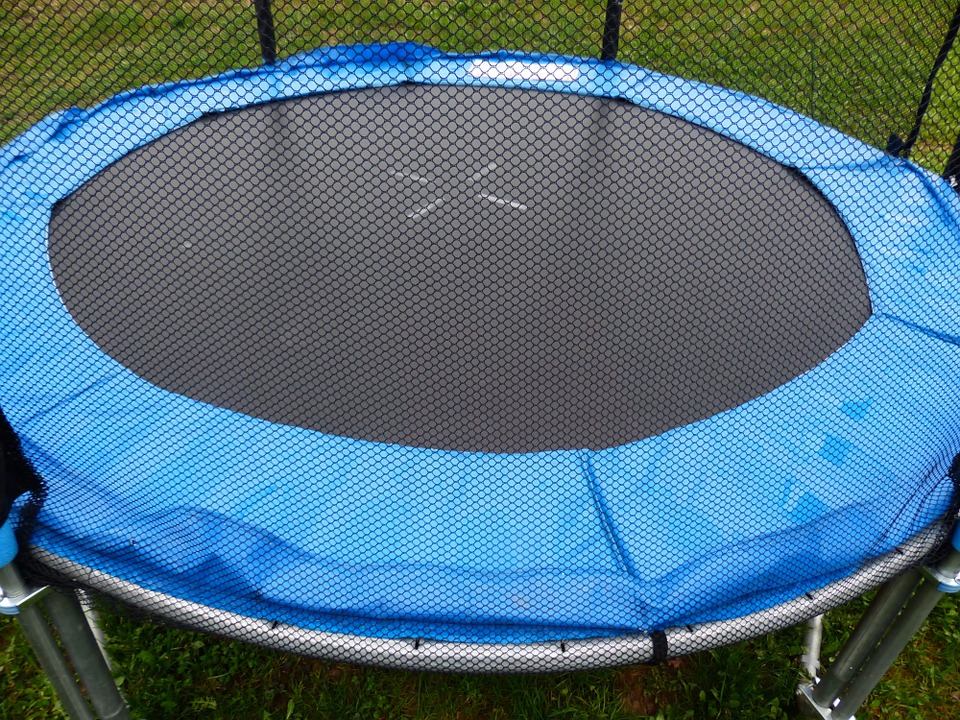
Bouncing on a trampoline can be fun, provide great exercise and a way to burn off that never ending energy kids seem to have, but there are major dangers involved.  In fact, as cited in the following article from Oatley Vigmond, a Consumer Product Safety Review report found that there were nearly 110,000 American trampoline related injuries suffered in the year 2006 alone.  So how do you prevent these injuries?  The American Academy of Pediatrics suggests simply not to own, or allow your children to bounce on at home trampolines.  Read more in the following from Shane Henry of Oatley Vigmond and tell us what you think.

Oatley Vigmond:  Trampolines:  How Bouncing Can Become Dangerous 

by

Organization and Recovery From Brain Injury

Julie Entwistle, MBA, BHSc (OT), BSc (Health / Gerontology)

Last stop for Brain Injury Awareness Month – my favorite topic – organization!

photo 1

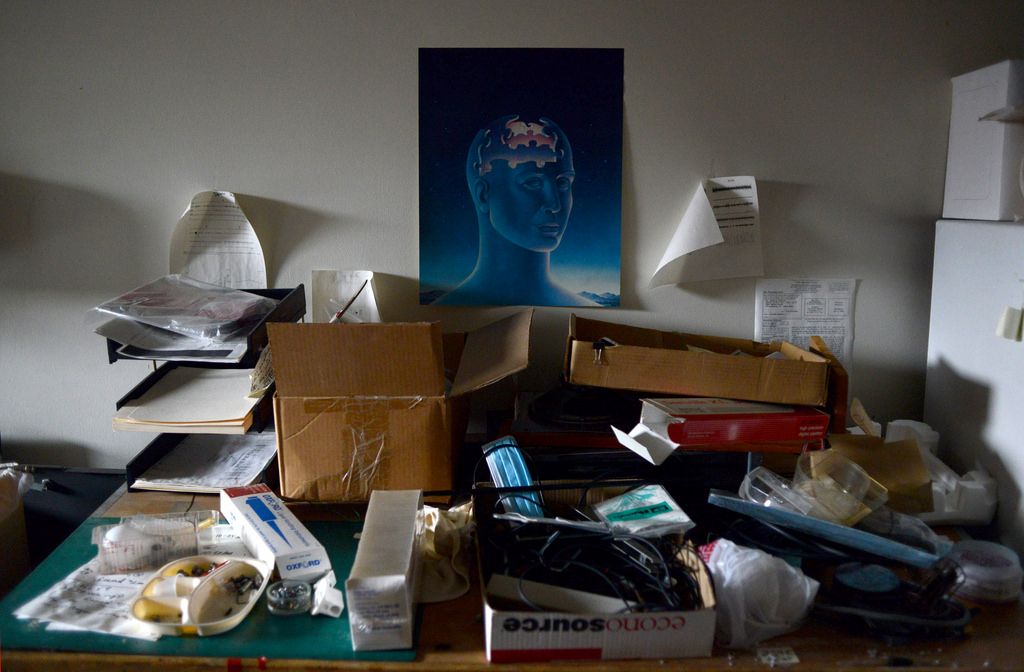
Yes, this is my drawer system to store pens, pencils, and markers. And if I find a pencil in the pen drawer look out! Perhaps being organized and knowing how to find what I need when I need it is one of the many ways I manage the demands of being a business owner and mother of four. But the reality is that we all have different levels of energy, tolerance and mental attention and these things can become depleted after a brain injury. So, if you were an energizer bunny with a DD battery before your injury, chances are your new batteries have been replaced with some AAA’s. This means that daily activities will take more time, more energy, and you will need to recharge sooner. So, considering this, do you really want to spend your valuable energy looking for stuff?

Consider that you have 10 units of brain capacity and energy when you wake in the morning. Every activity you have on your “to do” list takes one unit. Going for a walk, preparing supper, managing the laundry, responding to emails, attending an appointment, completing personal care, and having coffee with a friend all drain your battery. Some of these activities are necessary, some can be put off, and others are enjoyable. So what if you spend one unit of energy looking for your phone, keys, that bill that needs to be paid, your agenda, or those new runners you bought yesterday? What activity will come off your list when you have spent your energy to find something that with some organization would have taken you no time at all? Maybe you will call your friend to cancel, or order supper in again. Maybe the laundry will wait to tomorrow, or those emails will just keep accumulating. But this is unnecessary because you had the energy and cognitive ability to manage these things, it just became misdirected.

Often the focus of occupational therapy becomes helping people to organize their activities, their stuff or their time. Schedules and consistency are keys to helping people to understand the size of their battery and the amount of units each activity takes. This can be difficult when working with clients who did not need to be organized before an injury or illness, but the necessity of this following cannot be ignored. Even small steps to help people to be more organized can have a huge impact.

Helping clients with brain injury to become more organized can take many forms, depending on the client, the nature of their problems, and how they previously organized their stuff and their time. What I tend to witness is the time lost and sheer frustration that clients experience looking for cell phones, wallets and keys. Often, cell phones become used as a “second brain” assisting people to maintain a schedule and make appointments (calendar), remember things (task lists), have access to support systems (contacts, calls, text, email), and negotiate their environment (maps and GPS). If this gadget is so important, it is even more important that people know where it is. Having a catch tray by the front door, in their room, or a standard docking station can be helpful. Wallets and keys should also be left in a consistent location. I am sure we can all relate to that feeling of looking for our keys in their usual spot to find they are missing. But if you lack the ability to efficiently look for these, it could completely derail your day.

After the day to day items have a place, then we can work to simplify other spaces that are identified barriers to function. Perhaps the kitchen has become too cluttered to allow for efficient meal preparation, or the bills are piling up because these are lost in a stack of papers. In the world of insurance I find that clients become overwhelmed by paperwork and this results in missed appointments, non-response to time sensitive material, or failure to submit for expense reimbursement. Slowly, over time and with suggestions and tools (filing cabinets, labels, folders, a pen drawer!) clients become able to more efficiently spend their units of energy on things that are more important, or more fun and ideally, learn to transfer these strategies into other life areas independently – like work, school or parenting.

Originally posted June 30 2014

To read more of our articles on brain injury check out our section on Brain Health.

by

Concussion Ed– A Great New App

Do you know what to do if you or someone you love suffers a concussion?  First and foremost, visit your physician who will assess your injuries and provide you with a recovery plan.  To learn more download this fantastic resource, created by Parachute, which provides you with education and tools to help you prevent injury, recognize symptoms, keep track of your individual situation and help you recover from a concussion.

Parachute:  Concussion Ed

by

Distracted Driving — Say “I Don’t”

Did you know that 40% of Acquired Brain Injuries are the result of an automobile accident?  And, that texting while driving is basically like driving with your eyes closed for 5 full seconds?  Distracted driving is a major cause of injury and fatalities on our roads.  What better way to celebrate Brain Injury Awareness month than to take the pledge today.  Say I Don’t to texting and driving by visiting idont.ca created by the Ontario Brain Injury Association.