
Close

Archive for category: Sports and Leisure

by

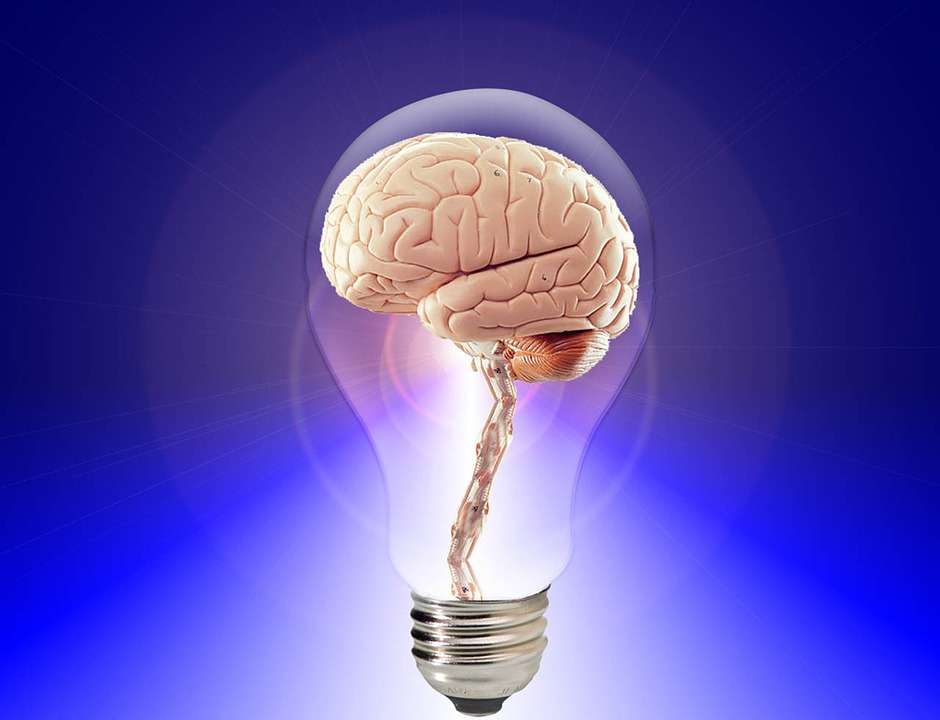
Preventing Brain Injury

Julie Entwistle, MBA, BHSc (OT), BSc (Health / Gerontology)

Previously posted June1, 2015

“An ounce of prevention is worth a pound of cure.”  Benjamin Franklin

In recognition of Brain Injury Awareness month, I thought it would be fitting to start at the very beginning. PREVENTION. Really, it is the best medicine. For now, let’s forget about the symptoms of brain injury and its’ impact on work, home, school, and quality of life. Let’s not talk about how it is assessed and treated. Instead, let’s focus on trying to stop it from happening in the first place.

But even before that, we need to know what we are dealing with. It is well known that brain Injury is the leading cause of death and disability worldwide. In Canada, Traumatic Brain Injury (TBI) is more common than breast cancer, spinal cord injury, HIV/AIDS, and multiple sclerosis (MS) combined. There are approximately 18,000 TBI hospitalizations annually. In the province of Ontario, 25% of the two million people diagnosed with a neurological condition have suffered from a TBI. In 2000-2001 brain injuries accounted for $151.7-million in direct costs to Canadians (1).

By way of distribution, TBI is most common in children (0-19) at 30%, followed by seniors (60+) at 29%. In kids, falls are the most common cause followed by motor vehicle accidents and then sports. In adults, motor vehicle accidents cause the most TBI’s, and in seniors the causes include falls (76%) followed by car accidents (2).

Knowing the causes helps to look at how we can engage in preventative strategies. As an occupational therapist with a background in health promotion, a parent of four, and athlete, here are my thoughts:

Falls

Kids fall all the time, so how can we prevent that? Well, there is a difference between a child falling when walking, running or jumping, versus falling from, say, a shopping cart, off of a playground structure, or from a tree they tried to climb. Falls from bikes, skateboards and scooters are going to happen – and a helmet can mean the difference between a head injury and not. The bottom line is that falls in kids are best prevented by proper adult supervision. Yes, it is that simple.

In seniors, falls take on a different form. They are not from carefree or reckless behavior, but often happen when someone is just trying to go about their day by having a shower, coming down the stairs, or taking a leisurely walk. Seniors need to be attuned to the physical, balance and vision changes they are experiencing as they age, and need to consider the importance of anti-slip mats in the bathroom, removing scatter mats, installing grab bars or railings, and the benefits of a walking stick or cane when outdoors. Seniors need to engage in regular exercise and activity to maintain bone density, mobility and intact balance. They have to be very careful when living with pets or when trying to negotiate places that are cluttered or dark. Awareness of declining abilities is the first key to addressing these properly such that a prevention plan can be developed that will ultimately improve safety and reduce the risks. Note that the services of an occupational therapist can be pivotal in creating this safety plan.

Check out our OT-V episode “Fall Prevention” for more helpful information.

Motor Vehicle Accidents

Like falls, despite our best intentions, these can and do happen. The issue here is trying to minimize the risk and optimize the outcome. Safe drivers are attentive, undistracted, and alert. They travel at safe speeds, approach intersections with caution, stop behind the line, pass when appropriate, and recognize that rushing to get somewhere on time is useless if it means you never get there at all. Safe drivers don’t text or hold a phone to their ear, don’t eat a hamburger and steer with their knees, and don’t drive when tired. If you are one of these drivers you are going to increase your chances of avoiding a collision, and lower your chances of being the cause. Unfortunately, however, not everyone is a safe driver. So, all the rest of us can do is wear our seat belt, buy a car with a good safety rating, make sure everyone in the car is buckled properly, make sure the headrest is at a proper height, put loose belongings in the trunk (I know of a child who got a head injury from a flying jar of pickles that escaped the grocery bag during a collision), and follow the rules for child seats.

Sports

I am an avid athlete and have pretty much played or tried every sport. There are very few sports I dislike and I honestly feel that sports can be the most positive and influential outlet for young people, and one of the most engaging and social outlets for adults. The issue is that sports seem to be becoming more and more competitive, kids and adults are getting bigger and stronger, and the culture of some sports has changed from friendly competition to all-out war. Preventing head injury in sport can include outfitting your kids with proper equipment (many hockey parents spend more on a stick than a helmet), ensuring they are playing at their level, monitoring the coaching influence and team culture to make sure this is appropriate, and my favorite is from the book “The Secrets of Successful Families” and includes that the only job of a parent in organized sport is to “shut up and cheer”. No parent should be on the sidelines encouraging reckless, mean or harmful behavior. The results can be devastating. And if you are concerned about your child’s risk of head injury in sport, know that there are many other sports that reduce the risk but are equally as challenging, competitive, fun and have the same physical, cognitive and developmental benefits.

So, let’s start our recognition of Brain Injury Awareness Month by practicing prevention. It does not have to be easier said than done.



by

What Is Auditory Processing Disorder?

Julie Entwistle, MBA, BHSc (OT), BSc (Health / Gerontology)

In recognition of Speech and Hearing Month, I wanted to tell the story of my personal experience as a mom of a child diagnosed with auditory processing disorder (APD).

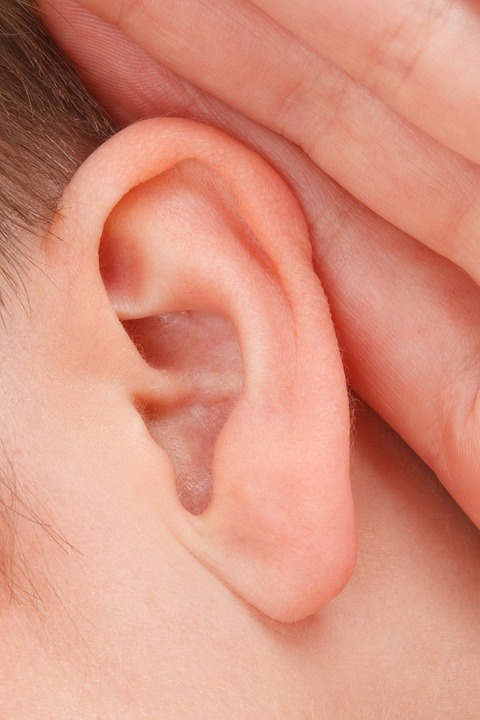
APD is best explained using the example of the game “Operator”.  If the first person is the ears, and the last the brain, everyone in between is the channel by which the message travels.  And remember what happens?  By the time the message reaches the “brain” it has been altered.  So, really APD is just that – when a message or sound changes as it travels from the ears to the brain resulting in the brain getting the wrong message.

Signs of APD can include difficulty with: communicating in noisy environments, following multi-step instructions, and wrongly hearing words, sounds and sentences.  As an overlap exists between the signs of APD and other disorders, and this may coexist with other problems, it can be difficult to diagnose.

Being a clinician, I recognized early that my daughter struggled with “hearing”.  Yet at 18 months her hearing test was “fine”.  When she was three I remember telling her that her “ears and brain were not talking”.  In school she would become easily distracted, would struggle with multi-step instructions, and did much better in classes that were smaller, less chaotic, or when she sat closer to the teacher.  At home the presence of her APD was apparent when my instruction “change your shirt” would be met with the response “I am not wearing shorts”.   Or, when the instructions “brush your hair, grab your lunch and put your coat on” might result in one, maybe two, but rarely three of those instructions being followed.  But my favorite remains when my daughter told her sisters they were “turtle twins” as she had misheard the word “fraternal”.

The diagnosis of APD is made by an audiologist when the child is at least 7 or 8 years old.  However, psycho-educational tests can also be helpful to rule out other or comorbid problems.  In adults, APD also exists, and can be the result of many factors, including acquired brain injury.  Also, some research suggests that men start to struggle with APD after age 35 and women after menopause.

My next blog will focus on ways we managed our daughter’s APD at home, in sports and school, and these same strategies could also be used by others who have, treat, or know someone with APD.

by

The Healing Power of Animals

Animals are amazing.  Dogs specifically have been known to help reduce stress, provide companionship, and trigger the release of helpful chemicals in the brain.  Therefore, they are helpful, not only as guide dogs and service animals, but as companion animals for those suffering from mental illness.  The following from the Huffington Post shares an amazing story of how one dog helped a young woman manage her anxiety and depression.

The Huffington Post:  How a Dog Helped Me Manage My Anxiety and Depression

Be sure to check out our previous posts related to dogs and service animals:  Dog Awesomeness and Service Dogs are in the Grocery Store, Why Not the Schools?

by

Concussion Blood Test

A concussion is a serious injury that needs treatment in order to allow the brain to heal properly and to prevent further damage.  However, symptoms vary and can be delayed, often making concussions difficult to diagnose.  New research suggests that a simple blood test may be able to detect evidence of a concussion up to one-week post injury.  Learn more about this new discovery in the following from Science Daily.

Science Daily:  Simple blood test can detect evidence of concussions up to a week after injury

To learn more about concussions, brain injuries and prevention check out our Brain Health page.

by

Accessibility — There’s an App For That!

Check out the great new app, Access Now, created by Maayan Ziv, a young photographer and entrepreneur from Toronto who lives with muscular dystrophy.  Maayan created Access Now to help others learn about access to places across the world.  Anyone can use the app to search and learn about the accessibility offered at public spaces and to post and share information about the accessibility of places you have visited.  Check it out now!

Access Now

by

Books Can Boost Your Health

There’s nothing better than curling up with a good book.  Reading is something we encourage in children from a very young age for many reasons including building language skills, developing speech and more.  Taking time to read is something we should continue to encourage, especially  in our adult years.   From cognition to mental health and everything  in between, reading has fantastic benefits at all ages.  Take a look at the following from Alive Magazine that delves deeper into the health benefits of reading.

Alive Magazine:  A Good Read

by

Travelling With Disabilities

Travelling with a disability is not easy.  It requires planning, a supportive attendant, and an open mind.  March break is around the corner and for months my clients have been asking me about travelling with a disability.  Here are some pointers:

1.    Book the trip with a travel agent who specializes in disability, either by interest or circumstance (some have disabilities themselves), if you can.  These agents understand that “accessibility” is not an inclusive term, and with personal experience, or feedback from other patrons, they can customize the trip to meet the needs of your unique situation.  Check out www.accessholidays.ca as an example.

2.    Planning goes a long way.  Send pictures of your equipment, measurements, and get pictures and measurements in return.  Disclose the nature of your disability if you are comfortable with that, and be clear about what you can and cannot do.

3.    Travel with an attendant.  On a trip to Alaska there was a man from our town also on the boat who had a mobility impairment.  He did not have an attendant with him and was constantly asking other patrons to help him.  They were willing to comply, but at times his needs were not met, and it would have been best for him and the other travellers if he had someone with him who understood these and was trained to assist him with the same.

4.    Look at all your equipment options.  Can you rent something smaller or lighter that might be easier to lift, will fit into narrower places, or can you rent devices when you arrive?  I just provided a client with photos of devices, different from the ones he uses daily, that he could consider renting to facilitate his upcoming overnight to a waterpark with his children.

5.    Become informed.  Check out these government resources. Did you know that in Canada, if you have a disability and are flying domestically, you may be eligible for extra seating, support, or your attendant can fly for free? Learn more from Westjet.  Or that Easter Seals offers a Disability Travel Card for buses and trains?  Also, if you have a disability and require someone to assist you through an airport to the gate, or at the gate through security and customs, there are special passes that can be obtained for this.  In Florida there is a rehabilitation program for people with spinal cord injuries that includes “project airport” and this takes wheelchair uses through an airport, onto a plane, and helps them understand how they can successfully manage this despite a physical impairment.  Many magazines (Abilities for one) often has articles on accessible travel and these highlight many different places that are great to visit, and some of the things to think about before you leave or when you arrive.

6.    Talk to an Occupational Therapist.  Occupational therapists have a wealth of knowledge about how people with different conditions can adapt their environment or equipment to manage.  Consider seeking our expertise if you are embarking on a journey outside of your typical space.  Together we can discuss strategies and solutions that can help ensure your vacation is successful.

Safe travels!

by

Leap Years: What’s the Purpose?

More time is something we all wish for.  Every 4 years we are lucky enough to be blessed with an extra day in our calendars.  On Monday, we will be given a full extra 24 hours to “make up for lost time.”   Take a look at the following from Global News which explains why we have Leap Years and be sure to make the most of this extra time.

Global News:  Leap Year 2016: What is it and why do leap years exist?