
The following interview with Dr. Heather Snyder, Director of Medical and Scientific Operations at the Alzheimer’s Association, discusses some of the things to focus on for brain health, improving memory, and reducing cognitive decline as you age.
Fall Prevention For Seniors
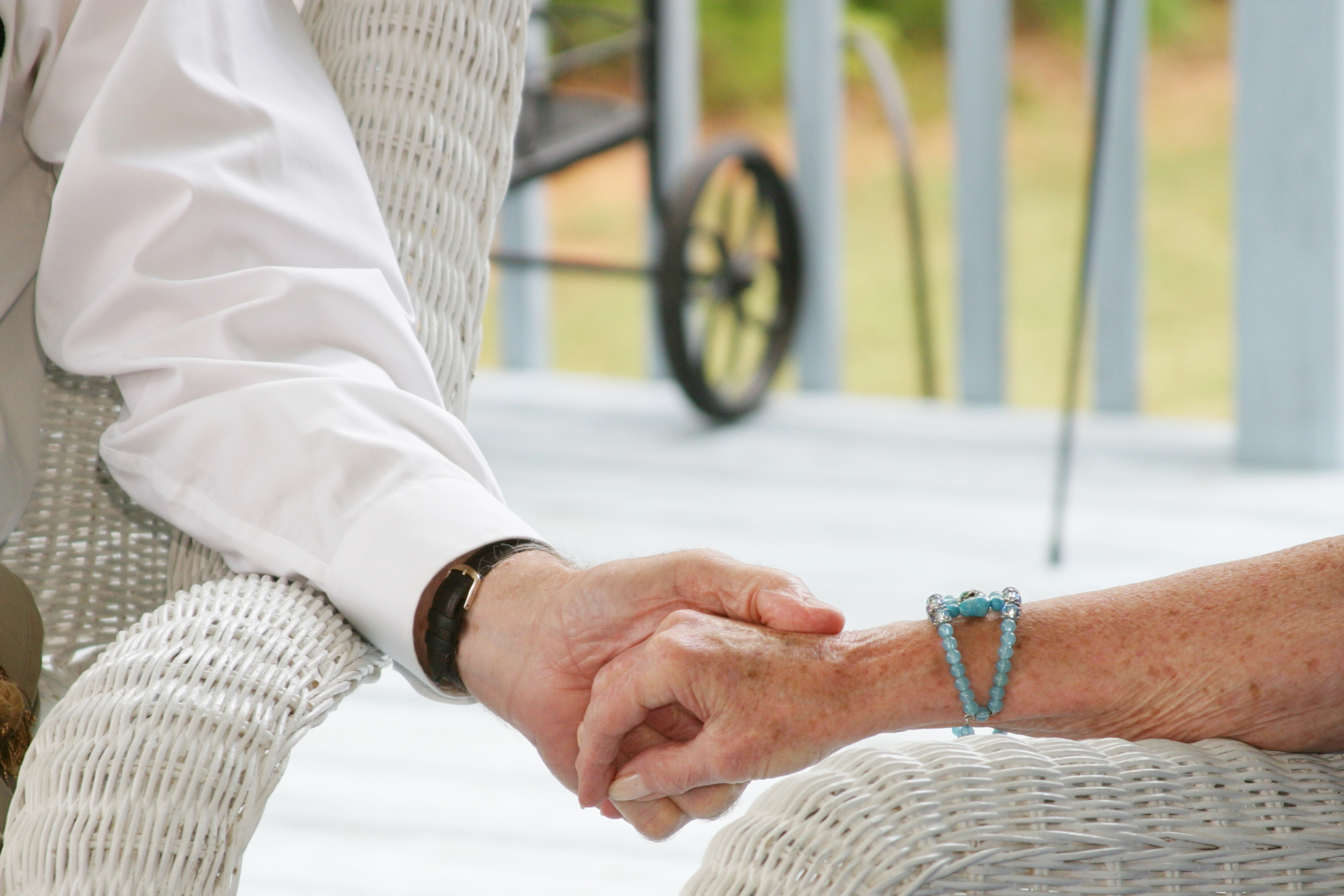
Did you know that in Canada falls are the leading cause of injury amoung older Canadians? And that 20-30% of seniors experience one or more falls each year? Falls are also the number one cause of both brain and spinal cord injury in seniors.
November is Fall Prevention Month and we want to share with you some of the ways an Occupational Therapist can work with seniors to help prevent this danger.
In the following episode of our OT-V video series we discuss some ways to reduce the risk of falls and help keep you and your loved ones safe.
Occupational Therapy Works For Seniors!
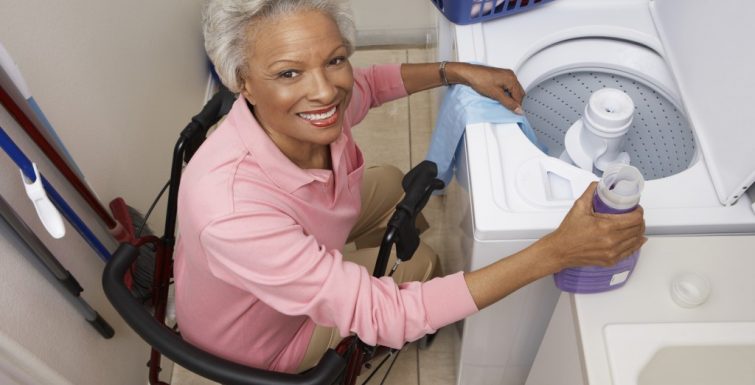
October is Occupational Therapy month in Canada. This month we will be celebrating and sharing on our blog everything OT. In our OT Month series, “OT Works Here,” we will be highlighting some of the key areas in which OT works to change lives by providing solutions for living.
Today we want to highlight the many ways that Occupational Therapy works for seniors in the following infographic:
Eating Well Can Reduce Cognitive Decline
Eating well is important at all stages of life for many reasons. As we age, healthy eating becomes increasingly important to lower risk of heart disease, reduce the risk of diabetes, provide energy– the benefits are endless. And now, a new study shows that eating well as you age can help to reduce the risk of cognitive decline. Check out the following from CBC Hamilton which discusses the study in depth and provides additional motivation to maintain a healthy and nutritious diet.
CBC Hamilton: Healthy diet for seniors tied to lower risk of cognitive decline
Home Modifications for Under $100
Julie Entwistle, MBA, BHSc (OT), BSc (Health / Gerontology)
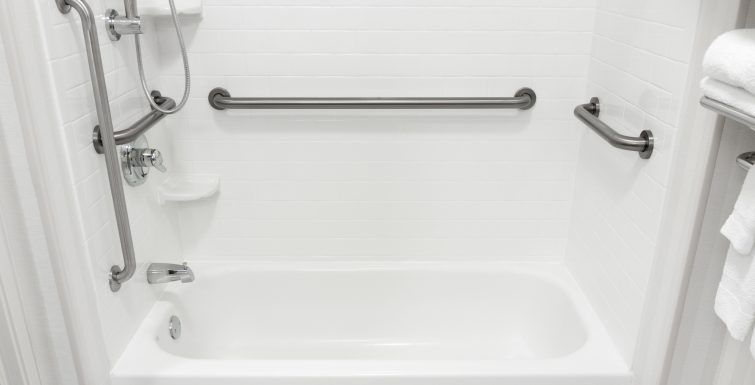
There is a misconception that home renovations for safety or disability need to be expensive. While this can be true for large-scale projects, there are some quick-fix modifications that are small, but pack a punch. Here is my top 10 pick of modifications you can make for under $100.
Offset Door Hinges – if the doors of your home just seem a bit too narrow , consider that the width of the door, when open, makes the door opening smaller than it is. Consider purchasing some recessed hinges that will allow your doors to swing as wide as your door frame, giving you an extra few inches to get through with a walker, wheelchair or commode.
(www.adapativeaccess.com)
Drawer Pulls – if knobs are too difficult to grasp, consider swapping your kitchen and bathroom hardware for U shaped pulls that require less fine motor grasp and control to open.
Easy Grip Shower Head – handheld shower heads are great for allowing people to sit to shower, or to reach difficult areas without bending and twisting, but for people with a reduced grasp, I love these Easy-Grip shower heads from Moen.
Grab Bars – these don’t need to look industrial or institutional and many colors and configurations exist. One strategically placed grab bar can help you get out of the shower / tub or even on / off the toilet. Consider the multi-use line from Moen that has grab bars with built in soap or toilet paper holders to help save space. 
Threshold Ramps – these small ramps are portable and make it easier to transition over small thresholds that are often present at entry doors. (www.electro-ease.com)
Lever Door Handles – sometimes grasping and turning a door handle can be a problem for people with arthritis or who have issues with fine motor control. Swapping out some door knobs with lever-style handles is a quick fix to help promote someone’s ability to open and close doors themselves.
Removing Shower Doors – often shower doors can get in the way as we get older. While some people use them to grab and hold, these have a threshold and limit the ability to use a bench or seat in the shower. Removing the shower doors and replacing these with a curtain provides more versatility for equipment, makes it easier for a caregiver to help you shower, and is easier to clean and maintain.
Railings – installing a basic railing on any stair is an inexpensive way to greatly reduce the risk of falling when going up and down.
Adhesive Shower / Tub Strips – easy to install, these anti-slip strips give you added protection from falling when you are getting in / out or standing in the shower / tub with bare feet on a wet surface. Strips are easier to maintain and clean than a standard bath mat and stick better to the bottom of the tub / shower.
Shower Seats – with or without a back, these sturdy and often height-adjustable seats allow people with reduced endurance or balance problems to sit when showering. Sitting means less chance of falling, which can cause injury. The smaller seats are easy to remove for other people who want to use the shower as well.
Do you feel you need a more custom approach to addressing how you manage your activities at home? Consider the services of an Occupational Therapist as we are the functional experts!
Swim to Stay Safe As you Age
Swimming has many benefits. It is an excellent form of exercise that works the entire body and the cardiovascular system at the same time. It is low impact so can be done during injury recovery and by those with aches and pains associated with aging. The following article from E-Care Diary discusses how research is now showing another benefit of swimming: fall prevention. Check out the article to see how you and your loved ones could swim yourselves to safety as you age.
E-Care Diary: Swimming Could Prevent Falls! Protective Benefits For Seniors
Playgrounds for Seniors
The “baby boomer” population is aging. It is estimated by Statistics Canada that by 2031, all boomers will have reached age 65, and the proportion of seniors could reach 23% of our population. Government and businesses are planning ahead to accommodate for the increase to the 65+ population in many ways. Overseas a new trend in senior’s health has erupted and it could soon be coming to a community near you. The following article from The Huffington Post discusses the creation of “senior’s playgrounds” which are said to be beneficial to the elderly by providing physical activity and increased social interaction. Check out the article to learn more about these playgrounds and look for one soon at a park near you.
The Huffington Post: Playgrounds For Seniors Improve Fitness, Reduce Isolation
It’s Easy Eating Green
Although his grammar was off, perhaps Popeye’s nutritional advice was right… “I’m strong the the finish cause I eats me spinach…” Check out the findings of a study showing how leafy greens can improve cognition and mental ability as you age.
Health Day: Leafy Greens and Your Brain
For more tips on nutrition and healthy eating visit our Food For Thought page.
Bathroom Safety
To help provide resources for safety during “Senior’s Safety Week” we want to discuss the most dangerous room in the home: the bathroom. For those with limited mobility, or seniors, it is important to consider the fall risks that exist in the bathroom to ensure that people are safely able to go about daily routines. In this episode we will review bathroom hazards and will discuss the many suggestions an Occupational Therapist may make after a home assessment. These might include mats, bars, lifts, benches or even home modifications – of course the solutions will depend on your condition, age, and the layout of your home.
We hope you enjoy this video from our Occupational Therapy Video (OT-V) series and can use some of our tips to stay safe at home!

Community Safety for Alzheimer’s Disease and Cognitive Impairment
Julie Entwistle, MBA, BHSc (OT), BSc (Health / Gerontology)
In recognition of World Alzheimer’s Day, I wanted to touch on the important topic of helping people with Alzheimer’s disease (or cognitive impairment) to be safe in the community.
A few months back I received an email from a friend. She wanted to “pick my brain” about a problem they were encountering with her father who has Alzheimer’s disease. She mentioned that he enjoys spending time in the community on his own, but the family was growing increasingly concerned about his safety. She was wondering if I had any suggestions on how they could monitor his community activities, and be able to locate him should he not return home when expected.
My experience working in brain injury has had me looking for such solutions in the past. Some people, with behavioral or cognitive impairment, are at risk in the community because they become disoriented, confused, lose track of time, or are not attentive to traffic. There is such a loss of independence for people to be told they cannot leave the home alone, and some become agitated or angry when people try to supervise their activities. Yet, even a familiar route can become a problem for people if their cognitive status changes or deteriorates, and what is manageable one day may become problematic the next. Part of my role as an occupational therapist when dealing with cognitive impairment is to problem solve with the client and family the ways we can help them to pursue their goal of independence outside the home, while also ensuring their safety and easing the mind of the care provider. There are several ways to do this, and the list below is not exhaustive by any means.
1. Consider the local Police Departments. These often have programs and ways to track people at risk of wandering. It is also helpful to notify the police about a potential wanderer so this is in their records should their help be needed.
2. The S-911 bracelet has multiple features that allows health care workers and families to GPS locate anyone that may have wandered off, or who is in the community unsupervised. There is a monthly and yearly fee for this device.
3. The Loc8tor is another option and notifies a care giver (or parent of a child for that matter) if the person wearing the device has wandered up to a certain distance away. The Loc8tor is also useful for helping people to find those items that tend to get misplaced – such as keys, wallets and cell phones.
4. Smartphones have GPS detection capabilities such as the “Find my Friends” application for the iPhone. With this, both users can locate the other person, but it does require the person to be carrying the phone, and the phone to be charged and on. This can be a problem for people with cognitive impairment as they may not always remember to take the phone with them when out, may not understand how to turn this on and / or to check and see if it is charged.
5. There are home monitoring systems that can notify family when people are coming or going, or even bed alarms if people leave the bed at night. Motion sensors in the home can also help to notify family if someone is wandering or moving between locations indoors. While these don’t work to locate or ensure someone’s safety outside the home, they are a way to give family members piece of mind to go about business inside the home without always needing to provide the person with cognitive impairment constant supervision.
Remember that Occupational Therapy is about helping people to solve the problems that arise when physical, emotional or cognitive abilities change rendering daily activities to become a struggle. In all cases, because disability is experienced differently by everyone, the solution for one person may not be the solution for another – even when dealing with the same diagnosis. So, consult an OT if you have a functional problem to solve!