My life can be measured in hours, I serve by being devoured. Thin, I am quick , fat, I am slow; wind is my foe. What am I?
A candle.

My life can be measured in hours, I serve by being devoured. Thin, I am quick , fat, I am slow; wind is my foe. What am I?
A candle.
Texting and driving has become one of the leading causes of accidents in Ontario. Take a look at the following from Pace Law Firm as they discuss this growing problem and how tougher laws that could help reduce distracted driving may be coming our way.

Julie Entwistle, MBA, BHSc (OT), BSc (Health / Gerontology)
While anti-smoking campaigns have been in effect for decades, more recent health promotion efforts are being directed at preventing obesity, heart disease and the detrimental effects of prolonged sitting, now called “sitting disease”. As society experiences this paradigm shift away from sedentary activity, employers too need to be on board with solutions on ways to keep employees active when the job demands require continuous desk work.
If you are concerned about the effects of sitting disease and are looking for ways to increase health and wellness at work, the solution is actually simple. Just start by getting moving! If you are an employer and are not ready or able to invest in a comprehensive wellness program, or you are an employee and these are not offered where you work, start with some simple team-building challenges. Consider the following:
1. Stair climbing. Try to challenge workplace to at 30 day “Climb It Challenge” where everyone takes the stairs. Or if your office is too high up, no problem, take the elevator 5 floors below your level and walk the stairs from there.
2. 30 day squat challenge. This is easy, requires no equipment and won’t leave your office team with the need to shower following. Have those interested meet for 5-10 minutes a day and complete each day’s challenge. This 30 day squat challenge has a daily plan you can follow.
3. Bike or walk to work month. This is easier to do in the warmer weather months, so try to challenge your team to walk or bike to work each day. If you are in a remote location, or if employees commute, ask employees to park a couple of blocks away and walk or ride from there.
4. Get your yoga on. Each day with your team, take 10-15 minutes to run through some easy yoga poses to help boost posture and strength. Check out some of these beginner poses to try.
5. Organize a walking lunch group. Each day with your team take a 30 minute power walk at lunch or break time. Walking is great for cardiovascular and bone health and will help to prevent the negative effects of sitting all day.
Working together with a team dedicated to improving health and wellness will help to keep individuals motivated and on track. In the end, don’t forget to celebrate your success and keep the momentum going!
Check out more on staying healthy at the office on our Healthy Workplace page.
Many believe that when choosing to eat out, a sit down restaurant may provide healthier choices than the local fast food joint, however, a new study out of the University of Illinois shows otherwise. Although restaurant meals may provide more nutrients than a typical fast food meal, research shows that high sodium levels and large portion sizes are putting diners’ health at risk. Check out more on the study and tips for how to have a healthier “dining out” experience in the following article from Global News.
Global News: Your restaurant meal is just as bad as fast food, study warns

In this episode of our popular OT-V series we are discussing community accessibility. The following video discusses the important things to consider when someone with a mobility impairment arrives to a home or building to realize that they may need help to enter.
The following items to consider will help to ensure a safer and easier entrance.
• Understand the type of device you are using and its abilities and limitations
• Understand your own physical abilities
• Identify and assess the help you have available
• Seek out all available entrances and entrance types to select which one best suits your mobility aid or device
• Assess the size of the door you need to enter and what you will encounter upon entry
Watch the video to learn more about accessibility and the solutions available.
Can you solve the following?

1. Forgive and Forget
2. Back Door
3. Go on a Double Date
4. Almost Impossible
5. Afternoon Tea
6. Not in Use
Music is extremely powerful. Music can rev you up, or quiet you down. It can be linked to certain memories, and become the soundtrack of your future. Music can also be therapeutic. Check out the following from Dr. Sanjay Gupta to see how music is working to bring back memories and improve cognition in dementia and Alzheimer’s patients.
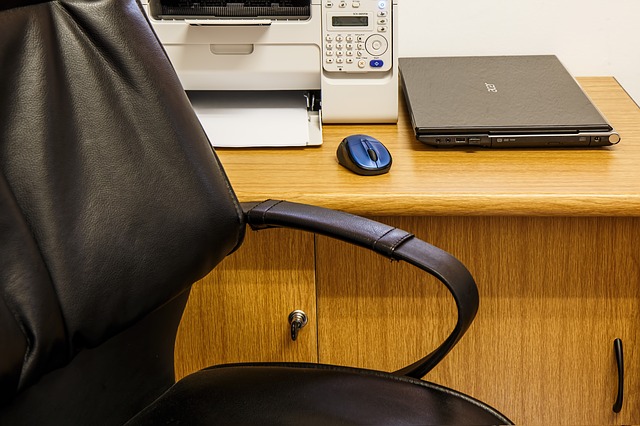
Having employees off from work due to injury and illness is costly to your organization and detrimental to the overall wellbeing of your team. Stress, high demands, dangerous work environments and poor ergonomics in the workplace can lead to illness and injury. Do employers realize that THEY (and their workplace environment) may be the leading cause of these leaves? And more importantly that THEY are the ones who can work to prevent future illness or injury.
The following article discusses two of the main reasons an employee may be on long term disability leave, how the workplace environment may be the cause, and how occupational therapy can assist in the prevention of workplace injury and illness.
Roger Foisy: How Employers Can Become a Cause of Long Term Disability Claims

Julie Entwistle, MBA, BHSc (OT), BSc (Health / Gerontology)
Being proactive with your health is one of the best strategies for preventing future problems. This is in contrast to being reactive which would involve trying to address a problem AFTER it has happened. Much like putting a grab bar in the bathroom AFTER a fall caused hip fracture, the better strategy would have been putting in the bar BEFORE, while you are well, to prevent the fracture in the first place. This is what “aging in place” is all about.
As the population continues to age, more and more people are opting to stay in their homes. In fact, in Ontario, 60% of people over 75 still own a home.
Harvard Health Publications compiled a list of “6 Ways You Can Prepare to Age Well” and in reading this we identified that 5 of the 6 strategies related to occupational therapy! So, we have adapted this to show the top 5 ways occupational therapy can be involved in the aging well and aging in place process:
1. Space Modification: An occupational therapist is trained to provide solutions for the “occupations” of daily living. The home you occupy may need to be slightly adapted, or more extensively modified, in order to ensure it will meet your needs as your physical abilities change. An occupational therapist can help by assessing your current space, your physical concerns, and will develop a plan for any current or future adaptations you may require. Common areas OT’s consider in the home include the bathroom, kitchen, flooring, entry ways and stairs.
2. Fall Prevention: As people age, the dangers of falling become heightened. An occupational therapist can help by assessing your home to look for any existing dangers that may lead to falls. Common areas considered include flooring, transitions, layout and home organization. Check out our video on “fall prevention” to learn more about how OT can help to reduce your risk.
3. Is a Move Necessary: Although many are hoping to live in their current home as long as possible, at some point people often have to make the difficult decision to relocate. If the layout of your home is not suitable for your aging in place plan, it may be necessary to look to move to a more suitable home, such as something that is one level or has less maintenance. Alternatively, many seniors look to downsize into senior friendly neighbourhoods or villages where care might be onsite if needed.
4. Plan Ahead for Assistance: Do you have someone reliable who is willing to assist and care for you in your later years? An occupational therapist can help you to plan for the assistance you may need – such as help with activities of daily living, finances, meal preparation, transportation and home maintenance. It’s best to discuss with loved ones early on if they are able to help with any of these tasks, and if not, an OT can help you to find this assistance in the community.
5. Emergency Preparation: As you age, the likelihood of an emergency is heightened. Emergencies could include a fall, health crisis, problem with your home, or medical condition that worsens overtime causing you to need 24 hour care. An occupational therapist can help you to develop an emergency plan, or to have the supports in place so you can get support when it is needed.
It is important to remember that people will age differently, and no two people will have the same experience with the changes that occur as we all get older. I know a lady at my gym who is 75 and can run circles around most 30 year olds. A unique and custom approach is the best strategy for ensuring that you get the help you need, based on your own abilities and the environment in which you live. It is just important to develop your plans early and proactively, instead of reactively trying to develop solutions after something has happened. Seek the services of an occupational therapist for input on how to “age well” and “age in place”.
The root tops the trunk on this backward thing, that grows in the winter and dies in the spring. What is it?
An icicle.