Back to school can be a busy and stressful time for children and parents. What to pack, surviving separation anxiety, helpful homework resources and more is including in the following back to school survival guide from Kids Health.


Back to school can be a busy and stressful time for children and parents. What to pack, surviving separation anxiety, helpful homework resources and more is including in the following back to school survival guide from Kids Health.
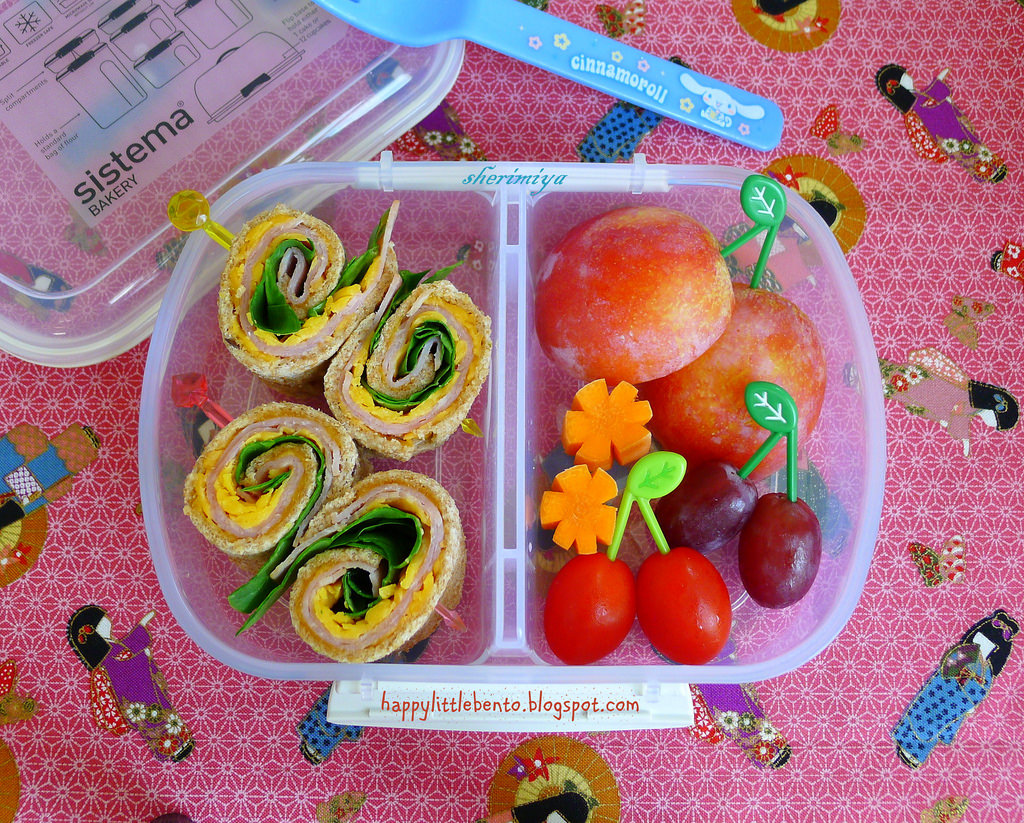
School starts next week and although many welcome the return of routine, packing a healthy lunch that won’t come home uneaten remains an ongoing parental challenge. It’s true–packing your child’s lunch can seem like a daunting, never ending task, but with a little prep work you can suffer short term pain for long term gain! The following from Once a Month Meals shares great healthy lunch recipes to make ahead, freeze and pack all month long.
Julie Entwistle, MBA, BHSc (OT), BSc (Health / Gerontology)
Last year, my September blog was called “Stress-tember”. For many, the September transition brings about new routines, adjustment chaos, and change that can be met with resistance, fatigue and stress. This year I wanted to take a different approach. I thought instead I would start the conversation early and give parents, teachers, and even kids some proactive strategies they can use to manage this transition as smoothly, productively, and as positively as possible.
1. Plan Ahead
The last few weeks of August will go quickly as we all try to cram in those last care-free moments of outdoor time, vacation, and a less chaotic schedule. But, don’t let September catch you off guard! It is best to look at your schedule now and find time when you will be able to fit in back-to-school related tasks. Start with a list of jobs that need to be done to get back-to-school ready. Personally, with four kids, my list includes: closet and drawer clean-out to compile a list of needed clothing items, shoe inventory, looking at our available school-supplies and backpacks to determine what needs to be replaced, and sitting down with each child to ask them about the lunch foods they will happily consume if these land in their lunchbox. With one child transitioning to an out-of-catchment high-school we need to understand her new schedule and arrange transportation including some city bus trials and carpooling. Once we know what needs to get done, we need to have structured schedule to do it. When can we shop for clothes, shoes, supplies, groceries? When the first week of school arrives, it is best to have the shopping done and even meals prepared, so that the stress, anxiety and chaos of the new routine is easier to manage.
2. Get a Family Calendar
Having a calendar placed in a common area (e.g. the kitchen or back hall) can help with organizing weekly plans. Using a different coloured marker for each family member can help you to easily identify who needs to be where and at what time. You can also encourage or assist your kids with keeping track of homework deadlines, school events like picture day, and other social outings. Once school begins, set aside a time each week for the family to go over the week ahead to ensure everyone is on board and prepared (i.e. “we need a birthday present for Tuesday, rubber boots for the trip on Thursday” etc.).
3. Establish Routines
Due to vacations, sleepovers, and the unstructured nature of no school, daily routines are often disrupted over the summer months. A consistent nightly routine for kids is critical to them getting a good sleep. Be consistent with when they are to start getting ready for bed, which nights will be for baths / showers, teeth brushing, and how they enjoy falling asleep (story time, hugs and kisses, that favorite stuffie, nightlight etc.). The importance is in the consistency of the routine as this is what cues your child that he/she is ready for sleep. Set up a routine that works for you and your family and start early. Having an established bedtime routine in place BEFORE school begins will help to make the transition go smoothly.
In addition to bedtime routines, it is important to re-establish what after-school time should also look like. We have our “after school routine” typed, laminated and posted in the back hall. This includes “shoes and back-packs away, lunch boxes emptied, dry snacks and water bottle packed for the next day, paperwork from school in the “in box”, have a healthy snack, do any homework, then play (no technology)! We review this with the kids before school starts, confirm the expectations, get their commitment, and make any changes.
4. Re-Adjust Sleep Schedules
Just as the overall bedtime routine is disrupted during the summer months, so is the timing of sleep. It is important to get back into a regular routine before school starts to avoid tired and cranky kids. A good way to ease into it is to adjust your child’s sleep/wake routine by ten minutes each night, so you can gradually get back to the regular routine by the time school begins. Having alarms in the kids’ bedrooms will help them to wake at an appropriate time so that they are not rushing, skipping breakfast or brushing their teeth in order to make a bus. And watch out for the snooze button! Letting your child delay waking will only become a bad habit harder to break as they get older. Put the alarm clock on the other side of the room if you have to – walking to turn it off will deter them from returning to bed.
5. Honour Your Child’s Anxiety
If your child is nervous or anxious about getting back to school, acknowledge this. Let them know that these feelings are normal. Ask them what you can do to make this easier. If your child is going to a new school or concerned about a new teacher, call the school and see if you are able to visit the school and/or classroom teacher before the school year begins. Or, see if there is a friend also in the same class they can meet with over the summer to ease their concerns. Often just being in the new environment, or being exposed to other kids transitioning prior to the school year beginning can ease fears and calm nerves.
6. Be Consistent
The most important aspect of making the transition back to school easier is consistency. With a familiar and consistent schedule in place, children are more prepared for what is to come which minimizes anxiety, reduces behavioural episodes, and provides kids with clear expectations and structure to their day. And when kids adjust more easily, so do parents!
7. Check your Expectations
Sometimes the worst part of any transition is not having reasonable expectations in the first place. Expect that your kids will need time adjusting, allow them to be tired, out of sorts and cranky, know that you too will need some extra time for yourself to unwind or get some extra rest. Don’t be reactive to the adjustment but rather just acknowledge this as one of the toughest times of the year and accept that in good time new routines will be established and the family will once again be in sync.
So, I hope the above tips will be helpful as you make this necessary transition back to “normal” – whatever that looks like for you. Personally, I will still find September stressful and hectic, but I expect nothing less in a household of six. Like with all things, some preparedness, patience and consistency will make it easier on all involved!

What has three feet but cannot walk?
A yardstick.
Julie Entwistle, MBA, BHSc (OT), BSc (Health / Gerontology)
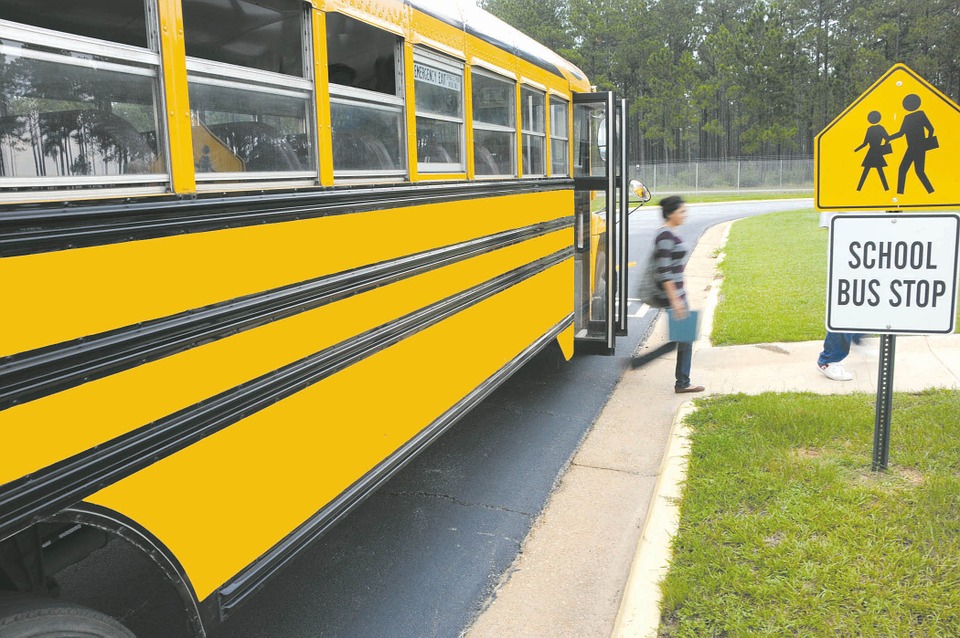
Yup, that is me. That mom at the bus stop that, while waiting for my kids to board the bus, ends up supervising and “parenting” the other kids that are not behaving. I remember a few years back I was waiting for the bus with my daughter. There were several kids waiting with us, and a few parents. Three boys were first in line, standing on the curb. They were pushing, shoving and playing around as boys do, each time falling or running onto the road. I told them to stop what they were doing, stand in line properly and patiently wait for the bus. My neighbor called me a meanie.
I am happy to be a meanie when it comes to safety, especially with children. Part of this is the curse of working in auto insurance. I know if one of these boys gets hit by a passing car, this could be life threatening or at the least, life altering. I also know the driver of that car will likely suffer life-long mental anguish knowing they inadvertently harmed a child – even if this was not their fault. Also, my child, and the other children at the bus stop that would witness such an accident would never be the same. They could have nightmares, flashbacks, and suffer from traffic anxiety, an aversion to riding the bus, or attending school. Lastly, from a personal liability perspective, I can’t help thinking that if children are being unsafe, and get injured, and this is witnessed by a responsible adult who did not try to prevent it, that adult could be held partially responsible. Either way, the outcome is bad for all involved.
Transportation by bus is one of the safest ways to get children to and from school. According to transport Canada, only .3 percent of personal injury or death from collisions involved school buses. Of the 142 deaths involving a school bus over the last 10 years, only 5 have involved passengers of the bus with the rest being drivers, pedestrians, cyclists or other motorists. Therefore, children are more unsafe around buses than they are in buses. In fact, riding the bus is safer than walking or getting a ride in a regular vehicle. What becomes key then is helping children to understand pedestrian safety, the rules for getting on an off a bus, and waiting at the bus stop.
It is back to school time. We all need to remember that children are both careless and carefree. Children are not expected to understand and process the dangers of traffic until age 10 and beyond, and as such, as responsible adults and parents we need to help them understand all aspects of bus safety and, if needed, be “meanies” when monitoring their behavior – even if they don’t belong to us.

News from the American Academy of Sleep Medicine shows that most parents aren’t aware of the amount of sleep their children require, yet sleep is one of the most important factors in proper physical health, growth and development. With back to school around the corner, now is the right time to get kids back into a healthy bedtime routine. The following from CBC provides the newly recommended guidelines to help you achieve this.

Breakfast is well known as the most important meal of the day –the meal that kicks starts your metabolism and fuels you for the day ahead. Learn some valuable information about how to make this first meal your healthiest of the day in the following from Time Magazine.
Time Magazine: 9 Healthy Breakfast Ideas For Weekday Mornings
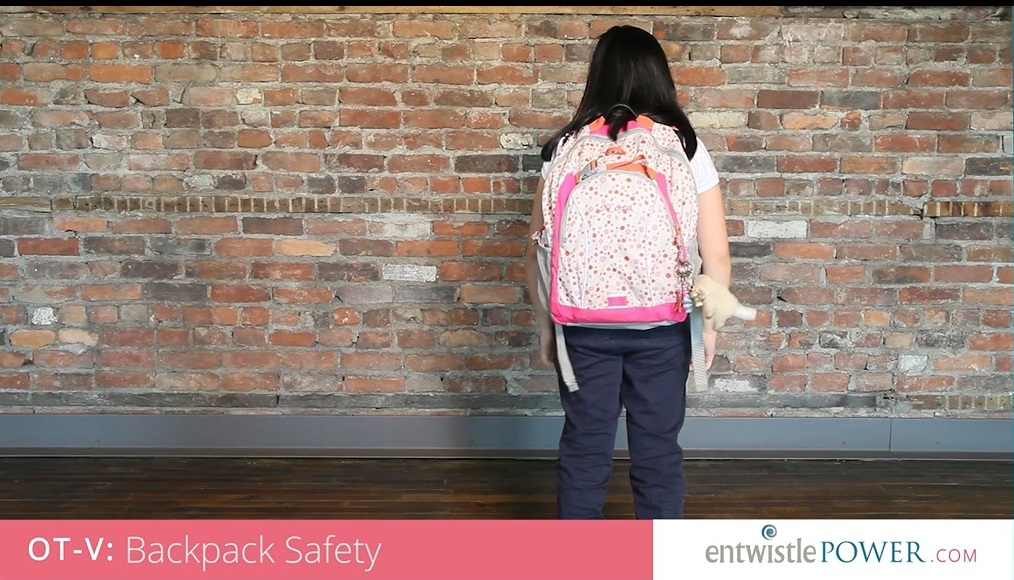
Backpacks are a staple for every student. They travel back and forth between home and school, lugging books and school supplies. They are put through the unavoidable daily abuse of being thrown on the ground, trampled on, stuffed into a cubby or locker, saving a spot in line, and become over-stretched and over-used with the necessities of school. They are a necessary part of your child’s education, yet how much thought do you really put into the backpack your child wears aside from maybe price or color? Have you considered the health implications of an improperly worn, fitted, or poorly supportive backpack?
Take a look at our newest OT-V video, Backpack Safety Guidelines, to learn how to select and fit a proper backpack and tips on reducing the strain caused by daily use.
Learn more healthy solutions for living in our informative OT-V video series.
Name 4 days of the week that start with the letter “t.”
Tuesday, Thursday, Today and Tomorrow.

In today’s world technology is something we cannot live without. Although technology can make life simpler in many ways, it is also making things more difficult. For instance, the stress these always available devices place on our hands and wrists. Repetitive movements, such as texting and typing, can lead to pain and musculoskeletal disorders that can have long-term consequences. So how can you enjoy the conveniences the digital world has to offer while avoiding long-term damage? Take a look at the following handout from Advance for Physical Therapy and Rehab Medicine to learn about some helpful techniques and check out our previous post, “Don’t Wrist Injury—Positioning and Stretching Can Help.”